
Last Updated: September 29, 2026
When designing a comfortable and inviting living room, attention often goes to sofas, lighting, and wall decor. Yet one piece quietly influences the balance, functionality, and visual appeal of the entire space: the coffee table. More than a convenient surface for everyday essentials, a coffee table acts as the central point that connects furniture, enhances movement, and creates a sense of harmony.
Whether furnishing a compact apartment or a spacious family home, choosing the right coffee table in Perth can transform the way a living area looks and functions. From complementing existing furniture to improving everyday practicality, the right coffee table helps define the room while reflecting personal style.
This article belongs to Furniture
Table of Contents
Why a Coffee Table Is the Centre of a Living Room
Every well-designed living room benefits from a clear focal point. While entertainment units or fireplaces often attract attention, the coffee table creates a visual connection between seating, decor, and open space.
Without a coffee table, furniture arrangements can appear disconnected, leaving the room feeling incomplete. Placed centrally, it naturally brings seating together, creating an inviting setting for conversation, relaxation, and entertaining guests.
The coffee table also introduces proportion and balance by filling the space between seating without overwhelming the room.
How Coffee Tables Define and Complete Modern Living Spaces
Creating Balance Through Proportion
A coffee table should complement the surrounding furniture rather than compete with it. Selecting the correct dimensions helps maintain comfortable movement while keeping the room visually balanced.
Several design principles can improve the overall layout:
- The table should generally be around two-thirds the length of the main sofa.
- Its height should sit close to the seat height of nearby furniture for both comfort and visual consistency.
- Enough clearance should remain around the table to allow easy movement throughout the living space.
When these proportions are considered carefully, the room feels more organised and naturally cohesive.
Defining Seating Arrangements
One of the coffee table’s most important roles is defining the seating area. It creates a clear gathering point that encourages interaction while giving the room structure.
This becomes especially valuable in larger open-plan homes where living, dining, and kitchen spaces flow together. A centrally positioned coffee table visually separates the lounge area without interrupting the openness of the layout.
Positioned alongside a modular lounge, the coffee table helps anchor multiple seating sections into one unified arrangement. Instead of individual pieces appearing scattered throughout the room, the entire seating area feels intentionally connected.
Supporting Everyday Living
While aesthetics matter, practicality remains equally important. A coffee table serves countless everyday purposes that make the living room more comfortable and functional.
Throughout the day, it provides a convenient place for drinks, books, laptops, remote controls, and decorative accessories. During gatherings, it becomes a shared surface for snacks, beverages, and conversation pieces. For families, it offers easy access to everyday items without cluttering surrounding furniture.
Many modern coffee tables also include drawers, shelves, or hidden compartments that help keep living spaces organised while reducing visual clutter.
Adding Personality To The Room
The coffee table offers an opportunity to introduce texture, colour, and character into the living room. Materials, finishes, and styling choices all contribute to the overall atmosphere.
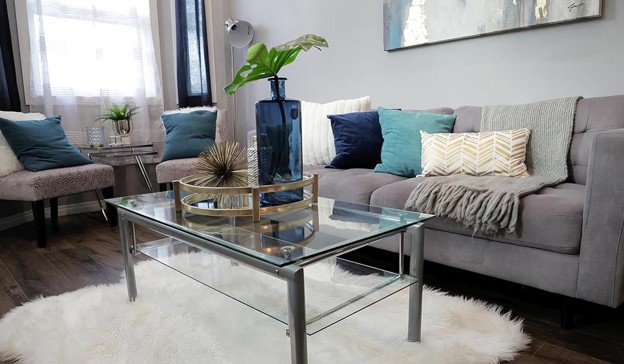
Timber creates warmth and complements both contemporary and traditional interiors. Glass reflects light, helping smaller rooms appear larger and more open. Stone surfaces add sophistication and timeless appeal, while metal accents introduce a modern industrial feel.
Styling the table thoughtfully can further enhance its impact. A balanced combination of books, decorative bowls, candles, flowers, or ceramics adds visual interest without making the surface feel overcrowded.
Improving Flow And Movement
Furniture placement affects how comfortably people move through a room. An appropriately sized coffee table supports natural traffic flow while keeping everyday items within easy reach.
Choosing a table that is too large may restrict movement and make the room feel cramped. One that is too small can appear disconnected from the surrounding furniture and reduce functionality.
Round or oval coffee tables often work well in compact spaces because their curved edges create smoother walkways and soften the overall appearance of the room. Rectangular and square designs typically suit larger seating arrangements where additional surface area is beneficial.
Bringing Different Design Elements Together
Living rooms often combine multiple materials, colours, and furniture styles. A carefully selected coffee table helps tie these elements together into one cohesive design.
For example, a timber coffee table can echo flooring or shelving, while a stone tabletop may complement nearby decorative accessories. Metal frames can coordinate with lighting fixtures, creating subtle consistency throughout the room.
Rather than standing out as a separate piece of furniture, the coffee table acts as a bridge that links different textures, finishes, and colours into a unified interior.
Choosing The Right Shape
The shape of a coffee table has a noticeable effect on both appearance and functionality.
Rectangular tables remain one of the most versatile options, particularly for standard sofa layouts. Square tables suit symmetrical seating arrangements, while round designs encourage easier movement and create a softer visual feel. Oval tables combine generous surface space with rounded edges, making them suitable for households with children or high-traffic living areas.
Selecting the appropriate shape helps maximise both comfort and visual balance.
A Lasting Investment For The Home
Unlike decorative accessories that may change with trends, a quality coffee table remains a practical part of everyday living for many years. Choosing durable materials and timeless designs allows it to adapt as furniture, colour palettes, and decorating styles evolve.
A well-chosen coffee table continues to support changing lifestyles while maintaining its role as the visual and functional centre of the living room.
Conclusion
A coffee table does far more than provide a place to set everyday items. It anchors furniture, defines seating arrangements, supports daily routines, and creates visual harmony throughout the living room. By considering size, shape, material, and placement, homeowners can create a space that feels balanced, welcoming, and highly functional. Whether furnishing a new home or refreshing an existing interior, selecting the right coffee table can make a lasting difference to both style and comfort.
Frequently Asked Questions
Why is a coffee table important in a living room?
A coffee table creates a central focal point that connects seating, improves functionality, and helps the living room feel balanced and complete.
How big should a coffee table be?
A coffee table should generally be around two-thirds the length of the main sofa and positioned with enough surrounding space to allow comfortable movement.
Which coffee table shape is best?
The ideal shape depends on the room layout. Rectangular tables suit most standard sofa arrangements, while round and oval designs work particularly well in smaller spaces or homes with young children.
What material is best for a coffee table?
Timber offers warmth and durability, glass creates a lighter appearance, stone provides a premium look, and metal introduces a contemporary feel. The best choice depends on the home’s interior style and everyday needs.
Can a coffee table make a small living room look bigger?
Yes. Choosing the right size, lighter finishes, or glass surfaces can create a greater sense of openness while maintaining functionality and improving the overall flow of the room.
For additional ideas related to hotel furniture, homeowners and designers can explore different furniture styles and practical considerations. You can also learn more about ways to upgrade your furniture when refreshing an existing living space.
Furniture made from natural materials can also complement a comfortable interior. Exploring wicker furniture can provide additional inspiration for creating a relaxed and inviting atmosphere.
For added comfort and protection in the bedroom, duvet covers and mattress protectors can also be considered as part of a complete home furnishing approach.
If you are furnishing a larger home or planning a multi-purpose entertaining area, this buying guide for bar stools can provide additional furniture selection ideas.