
Last Updated: September 1, 2026
Sustainable Storage Solutions for Rural Areas
The nature of storage in the serene backdrop of the countryside living has a peculiar character, as it combines functionality with nature. Rural storage solutions are not merely the place where goods are kept but the reflection of the values of sustainability and closeness to nature. This introductory discussion is on how storage facilities in the rural setting can be developed and established to ensure that they complement the pastoral society. It explores the significance of the application of materials and techniques that are in harmony with the ecological state of the countryside.
It is hoped to introduce the storage solutions that can meet the practicality of the rural population and at the same time do not harm the environment. Through the incorporation of new technologies, such as environmentally friendly building materials and efficient design, such storage solutions will be able to enrich the rural lifestyle without affecting the natural beauty and resources of the countryside. This paper will provide clues to designing storage areas that are helpful and sensitive to the rural spirit.
This article belongs to Home Organization
Table of Contents
Core Principles Behind Sustainable Storage Solutions
| PrincipleResearch-Based ExplanationSustainability Impact | ||
|---|---|---|
| Material Efficiency | Use of recycled steel, FSC-certified wood, bamboo, and bioplastics | Reduces raw material extraction |
| Modular Design | Adjustable, stackable, and expandable units | Minimizes replacement waste |
| Space Optimization | Vertical and high-density layouts | Reduces spatial footprint |
| Lifecycle Durability | Designed for long-term use and repair | Lowers landfill contributions |
| Energy Efficiency | Passive storage systems requiring no power | Reduces operational emissions |
Benefits of Sustainable Storage
The benefits of sustainable storage solutions are numerous, especially in the rural environment, where the conservation of natural resources and beauty is the major priority. These are not only environmental benefits, but also have an economic and social focus. Sustainable storage units are also economically viable in the long run due to the use of design efficient in terms of energy consumption and reduced cost of operations. On the environment, they minimize the carbon footprint, which is crucial in ensuring that the rural environment remains pristine. Solar panels as the source of renewable energy and sustainable building materials reduce the effects on the surrounding ecosystem.
These environmentally friendly storage systems touch the social values of the community, making people feel that it is their collective duty to conserve the environment. Self storage unit facilities such as Self storage Unit in Tempe, AZ, is a good example of how sustainable practices can be effectively incorporated in the storage solutions, which can be emulated by the rural communities. The storage methods will satisfy not only the short term requirements of holding the possessions but also make sure that the practices will make a positive impact on the community and the environment in line with the rural living spirit.
Choosing Eco-Friendly Materials
Use of eco-friendly materials is one of the foundations in the construction of sustainable storage units particularly in rural areas where conservation of the environment is very essential. These materials are chosen because of their low environmental impact on the ecosystem, sustainability, and efficiency.
In selecting materials that are environmentally friendly, some of the major considerations are:
- Reused or recycled materials in order to minimize wastage.
- Wood and stone materials that are obtained locally to reduce emission of transportation.
- Toxic paints and sealants should be avoided as they contaminate air.
- Battery powered doors to minimize heating and air conditioning requirements.
- Less frequent replacement of materials that are durable.
The use of these materials in constructing storage units reduces the environmental impact as well as fits the principle of sustainable living that is highly valued in rural societies.
For farms and rural properties that need durable storage options, steel storage units can provide a practical way to organize equipment, tools, and other essential items.
Solar Power in Storage Units
The idea of incorporating electricity generation of solar energy into storage units in rural areas is a progressive one that contributes a great deal to the sustainability of these units. This transition towards solar power is not only an ecologically conscious choice, it is also more practical, especially in rural areas where more of them may have limited access to traditional sources of power or higher costs. Solar panels harness the sun which is a free, and abound resource and convert it into electricity to be used to power the storage units. This green energy will decrease the use of fossil fuel hence lowering the carbon footprint of the storage facilities.
In addition, solar energy is cost effective in the long run since it saves on electrical expenses, which is a good thing especially to the storage units owners and their customers. The application of solar energy in storage facilities is also in line with the overall tendency of usage of renewable energy in rural areas where the people give high value to the nature resources and have an obligation to conserve the environment. Using solar power, not only do the rural storage facilities aid in environmental protection, but also embody self-sufficiency and resilience deemed to be values of country living.
Warehouse Storage Solutions
Warehouse storage solutions represent one of the highest-impact areas for sustainability improvements due to scale, energy usage, and material consumption.
Research-Driven Sustainable Warehouse Storage Strategies
- High-Density Racking Systems
- Reduce floor space usage by up to 40%
- Lower heating, cooling, and lighting energy demands
- Automated Vertical Storage
- Cuts labor energy use
- Optimizes retrieval efficiency
- Reduces warehouse expansion requirements
- Reconfigurable Storage Layouts
- Adapt to changing inventory without material waste
- Extend system lifecycle by decades
- Recycled Steel Pallet Racks
- Fully recyclable
- Higher load capacity than traditional shelving
Comparison: Traditional vs Sustainable Warehouse Storage
| FactorTraditional SystemsSustainable Systems | ||
|---|---|---|
| Material Usage | High | Optimized |
| Energy Dependency | Moderate | Low |
| Scalability | Limited | High |
| Carbon Footprint | Higher | Reduced |
| Operational Efficiency | Standard | Optimized |
Efficient storage also depends on having a well-planned workspace. For ideas on organizing functional areas within a property, see creating an efficient home workspace.
Water Conservation Techniques
Use of water conservation methods in storage facilities in rural areas is not only environmental friendly, but also viable when there may be a scarcity of the water resources. Such methods do not only protect the local water sources but also indicate a concern to live sustainably.
Key strategies include:
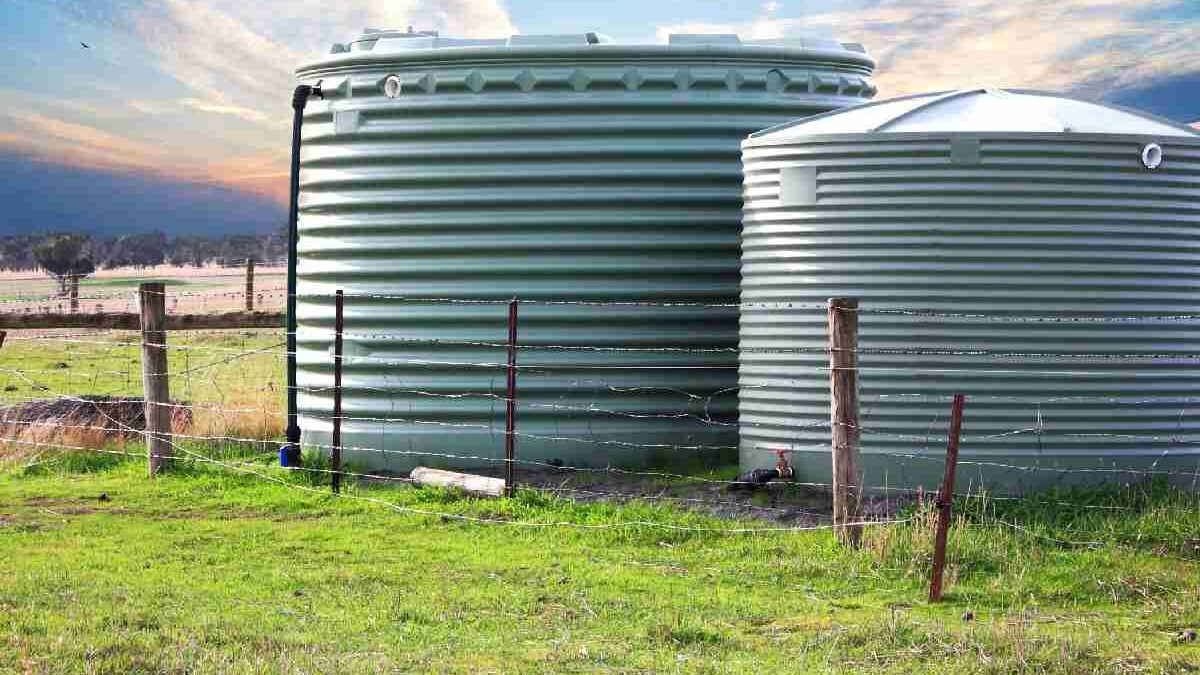
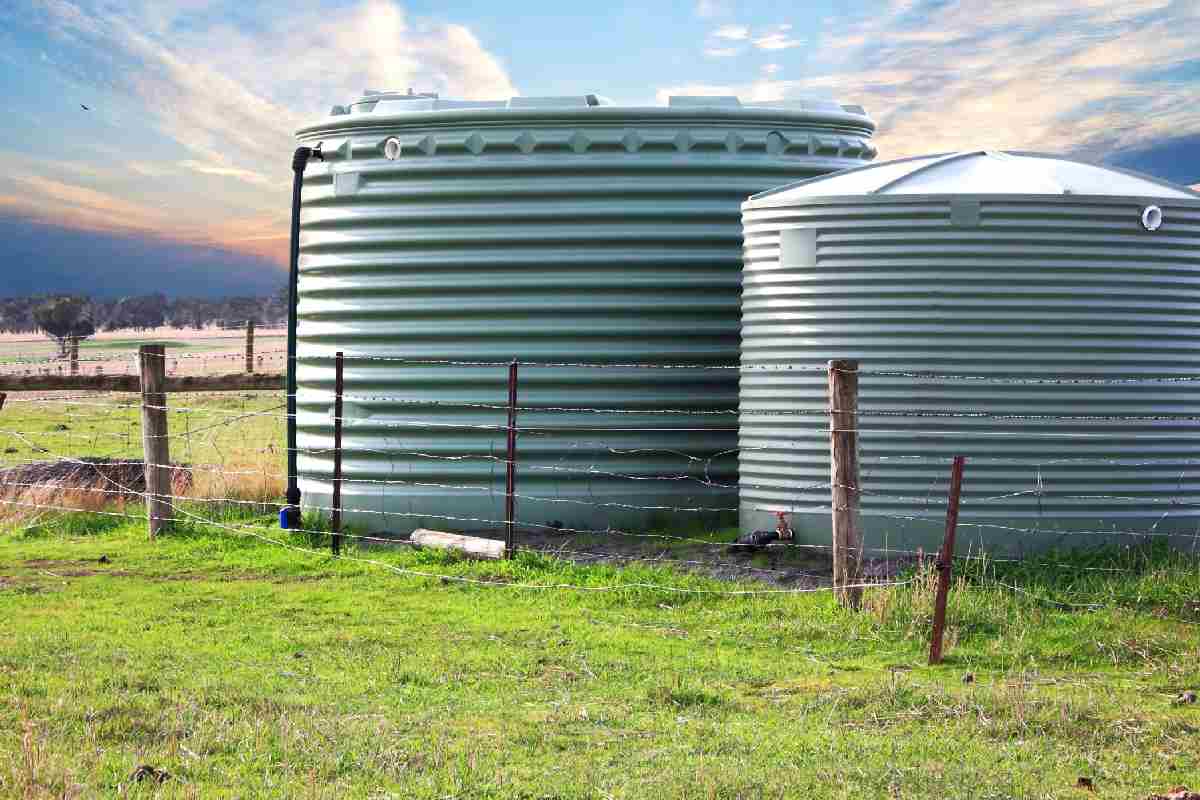
- Rainwater harvesting systems to condense and reuse rain water.
- Landscaping of the facility region to be drought resistant to save water.
- Effective irrigation systems on any green areas, reduced water wastage.
These water-saving techniques should be included to prove that they are proactive to the management of resources, which is vital in the regions where water is an invaluable asset. Besides, these practices may result in a decrease in the cost of operation, which makes the storage facility less costly. The U.S. Environmental Protection Agency’s water conservation resources provide additional information on water-saving practices and sustainable water use.
The embrace of such water saving methods is in line with the spirit of rural living whereby all the resources are treasured and well taken care of. Combining these approaches, the facilities of storage units in the rural regions will be able to make a great contribution to the maintenance of the natural balance and make the surrounding environment local to the rural areas sustainable.
Community Impact and Engagement
The rural storage units designed to be sustainable do not just offer a location to store the belongings; they also work towards the welfare of the community. These facilities offer a good example to residents as they go green, encouraging them to adopt a similar strategy in their lives. This has impacted on other spheres of rural life such as the way people take care of their homes. As an example, sustainable practice and materials used in these type of storage can be used in combatting moulds in homes which is a common problem in the countryside areas.
This community action makes the community have a sense of responsibility towards the environment. This will push the residents to engage in activities that will make their lifestyle more sustainable and healthy. The existence of such ecologically friendly storage units can therefore serve as a point of departure towards wider environmental consciousness and action within the community that the principles of conservation and responsible living that initially are typically deeply imbued into the rural culture.
Practical organization can also extend to smaller spaces inside the home. Walk this way: the shoe closet of your dreams offers another example of making better use of available storage space.
Wrapping Up Sustainable Rural Storage
Green storage systems in the villages do not only constitute a trend. But a vital adjustment to a healthier and more sustainable future. Such strategies such as the use of environmentally friendly materials and the application of water saving methods not only help the environment but also appeal to the principles of the rural population. They are a monument to the fact that it is possible to reconcile the modern storage requirements with the desire to preserve the natural beauty and resources of countryside.
For additional ideas on making better use of existing utility areas, how to turn your garage into a top-notch workshop can provide useful inspiration for creating an organized and functional workspace.