
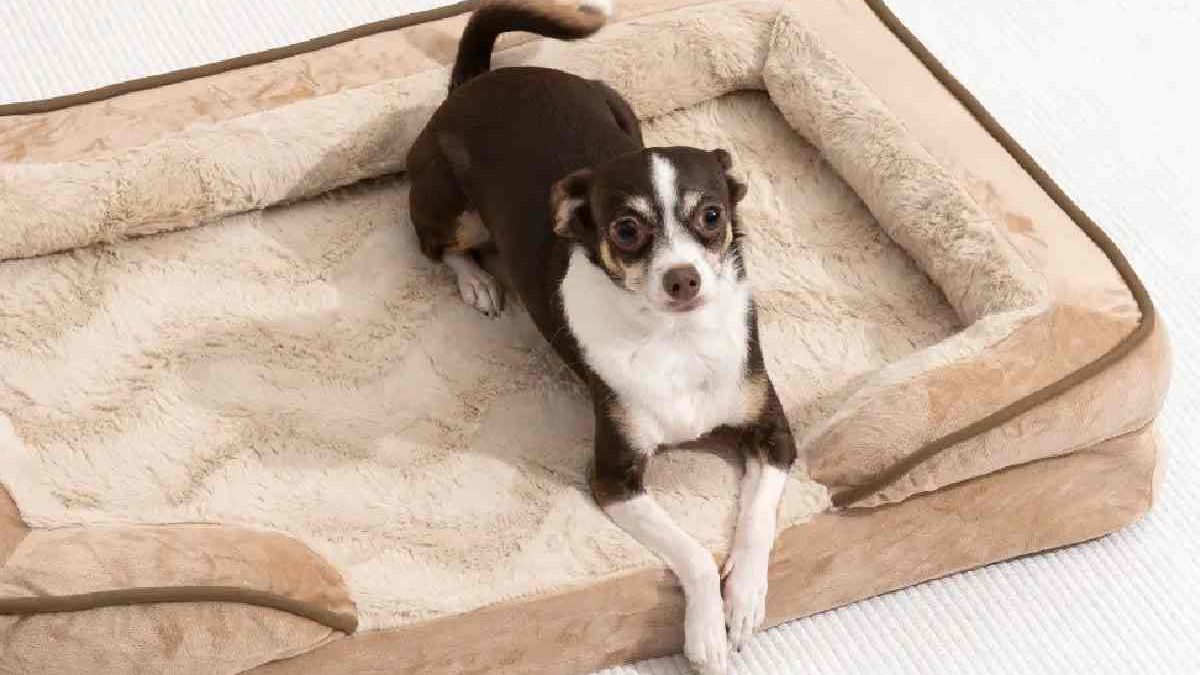
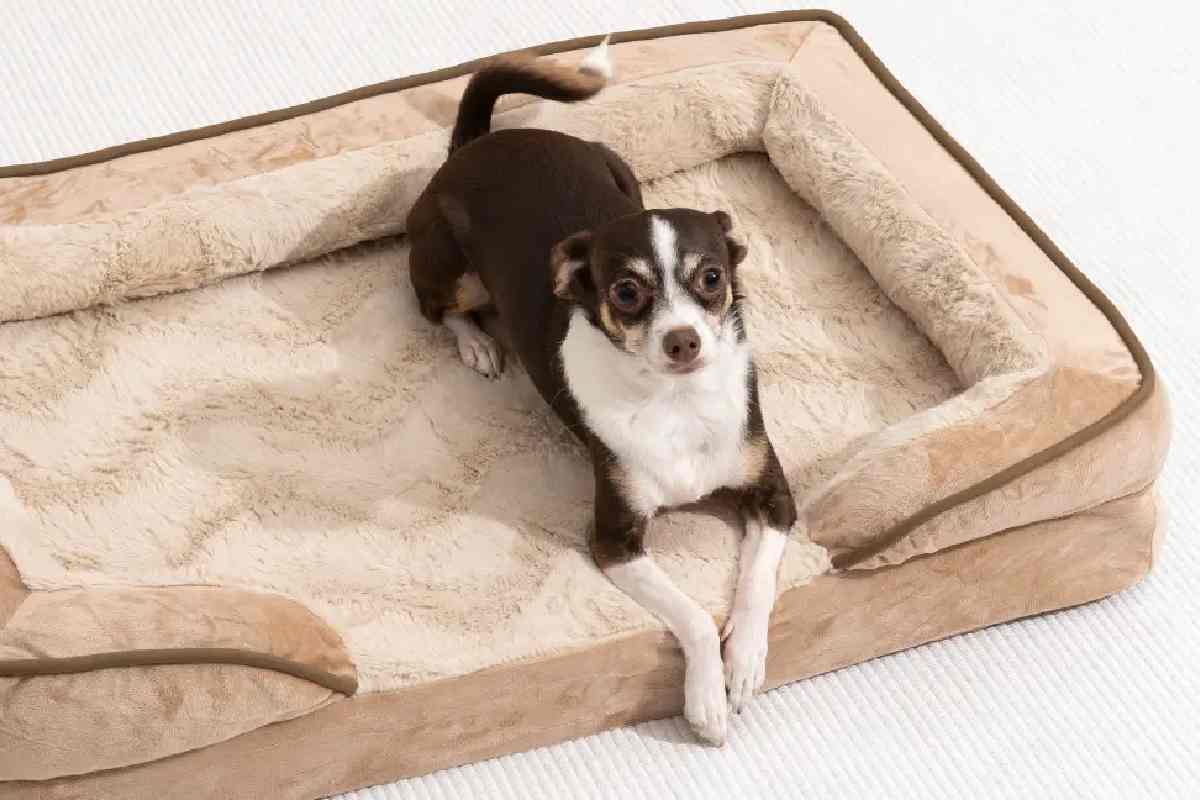
Dog beds get a beating in a farmhouse though dogs have a great life. Dirt coming in with the paws, a freshly bathed dog, hay, dust, and the constant going in and out of the house can wear out beds that are not of good quality pretty quickly, thus making your dog uncomfortable and the house smelling like a wet kennel. By opting for beds that are durable and easy to clean and are made for active country dogs, you are not only keeping the money in your wallet but also making your home fresher and comfortable for all the household members including the pets.
How Dogs Use Beds Differently?
- Nesters prefer bolstered or donut-style beds
- Sprawlers benefit from flat mattress-style beds
- Chewers require reinforced seams and dense materials
- Anxious dogs respond better to enclosed or raised-edge designs
Understanding behavior patterns reduces bed rejection and improves long-term use.
Table of Contents
Types of Dog Beds
| Type | Description | Ideal Use Case |
| Standard/Rectangular Bed | Basic cushioned bed, often with removable cover. | Indoor dogs who like lounging. |
| Orthopedic Bed | Made with memory foam or high-density foam. | Older dogs or dogs with joint issues. |
| Bolster/Cuddler Bed | Raised edges or walls. | Dogs that like to feel enclosed. |
| Elevated/Cot Bed | Mesh or fabric raised off the floor. | Outdoor use or hot climates. |
| Heated Bed | Electrically heated or self-warming. | Cold climates or senior dogs. |
| Cooling Bed | Gel or breathable material to reduce heat. | Hot climates, overweight dogs. |
| Travel/Portable Bed | Lightweight, foldable, often waterproof. | Trips, camping, car travel. |
Pros and Cons
| Pros | Cons |
| Affordable, easy to clean, widely available. | May lack orthopedic support for older dogs. |
| Supports joints, relieves pressure points. | Usually more expensive. |
| Provides head/neck support, sense of security. | Limited space for large dogs. |
| Keeps dog cool, easy to clean underneath. | Not suitable for dogs that chew frequently. |
| Adds warmth, therapeutic for joints. | Needs supervision, risk of overheating. |
| Reduces heat stress, lightweight. | Less padding, may be less cozy. |
| Compact, easy to carry, multi-use. | Less durable, may not provide full support. |
Farmhouse life is hard on dog beds
Farm dogs are never entirely clean for too long. They run through fields, sleep in barns, get dirty by splashing in puddles, and then go directly to their favorite place by the fire or under the kitchen table. Standard “cute” beds—thin fabrics, loose seams, non-removable covers—rapidly become stained, torn, and permanently smelly.
An ideal farm-tested bed should have the capacity to handle dirt and water, washing, and a lot of scratching and nesting. It should not be looked at as a decorative accessory but as a piece of hard-working gear, like a firm pair of work boots.
Start with your dog’s body and habits
Before thinking of fabrics and styles, think about your dog
Size and weight: A bigger and heavier dog will need a thicker, denser foam mattress so that its joints won’t sink to the floor. Measure your dog from the nose to the tail when the dog is stretched out and get a bed of at least that length.
Age and health: Older dogs, large breeds, and dogs with arthritis will be helped the most by orthopedic or memory foam beds that support the hips and elbows. Young, sporty dogs might like a somewhat firmer surface that gives them a feeling of stability.
Sleeping style: Sprawlers are better off with rectangular mats or mattresses; curling up animals are more likely to prefer donut or bolster beds that give them a feeling of comfort. Chewers and diggers should be given tougher covers and reinforced seams.
Matching the bed with the dog’s real behavior, you will be able to focus on the durability aspect, as a bed that is right for their natural posture and habits is less likely to be torn or thrown away.
Maintenance & Hygiene Tips
| Tip | Reason |
| Wash covers regularly | Prevents odor, bacteria, and allergens buildup. |
| Vacuum or shake off hair | Keeps bed clean, reduces shedding around home. |
| Air dry completely | Avoids mold or mildew growth. |
| Inspect for damage | Check seams, zippers, and stuffing for wear. |
| Rotate bed location | Prevents uneven wear and maintains comfort. |
Market Trends & Insights
| Trend | Observation |
| Sustainable Materials | Eco-friendly beds made from recycled or organic materials are gaining popularity. |
| Tech Integration | Heated, cooling, or even smart beds with health tracking. |
| Luxury Segment Growth | Designer dog beds with high-end materials and aesthetics. |
| Customization | Personalized beds with dog’s name, size, or specific needs. |
| Multi-Purpose Designs | Beds that double as crates, sofas, or travel accessories. |
Representative Brands
| Brand | Notable Features | Price Range |
| Big Barker | Orthopedic, durable for large breeds. | High |
| PetFusion | Memory foam, waterproof base. | Medium-High |
| K&H Pet Products | Heated and outdoor elevated beds. | Medium |
| Furhaven | Wide range of types & sizes, affordable. | Low-Medium |
| Orvis | Luxury beds with high-quality materials. | High |
Key Factors to Consider When Choosing a Dog Bed
| Factor | Importance | Notes |
| Size | Critical | Dog should lie comfortably in all positions; measure from nose to tail. |
| Material | Moderate | Durable, chew-resistant, easy-to-clean fabric preferred. |
| Support | High | Foam thickness or orthopedic material matters for joint health. |
| Temperature Control | Moderate | Heated or cooling options depending on climate. |
| Washability | High | Removable, machine-washable covers are convenient. |
| Allergies | Moderate | Hypoallergenic materials for sensitive dogs. |
| Durability | High | Important for active or chewing dogs. |
Tough materials that survive mud and claws
The materials used in farmhouse life come first before the styling of the product. You should look for:
Heavy-duty covers: Canvas, ripstop nylon, and performance upholstery fabrics are very resistant to tearing and can withstand nails and frequent washing. Also, tightly woven fabrics do not allow as many burrs and pieces of hay to get trapped.
Water-resistant or waterproof surfaces: Water-resistant covers are great for indoor use in mudrooms or places near water bowls. On the other hand, totally waterproof liners keep the inner foam safe from accidents, drool, and damp coats.
Good quality foam and filling: A high-density foam pad is much more durable and keeps its shape for a long time compared to low-quality, soft inserts. If the dog has any joint problems, then multi-layer or orthopedic foam is the right option. Loose polyfill is quite alright for use with lighter dogs or where the bed is secondary, however, it compresses rather quickly.
Non-slip bases: Grippy or rough bottoms help to keep the bed in place and prevent it from sliding on wood, tile, or sealed concrete surfaces, thus, they are especially useful in busy mudrooms and entryways.
Consider the construction aspects: solid sewing, edged and bordered seams, hidden or covered zippers, and reinforced corners all being signs that the bed is able to endure real farm usage.
Material Science: Common Dog Bed Fillings Compared
| Filling Type | Durability | Joint Support | Best For |
| Memory Foam | Medium–High | Excellent | Senior dogs, arthritis |
| Orthopedic Foam | High | Excellent | Large breeds, recovery |
| Polyester Fiberfill | Low–Medium | Low | Light sleepers, puppies |
| Shredded Foam | Medium | Moderate | Nesting behavior |
| Cooling Gel Layers | Medium | Moderate | Hot climates |
Easy clean features that actually help
On a farm that is still producing, nobody has time to do cleaning that involves a lot of fuss and is time-consuming. Concentrate on beds that make the job of cleaning quick and easy:
Covers that can be completely removed: A zipper which enables the stripping of the cover and then putting it into the washing machine is almost indispensable. Furthermore, the inner liner should ideally be removable as well or simply wipe clean.
Fabrics that are machine washable and quick-dry: Select materials that are able to endure warm washes and frequent cycles without the risk of shrinking or losing their form. Usually, lighter, performance fabrics dry quicker than thick cottons.
Surfaces that allow hair and dirt to shed: Slightly more smooth fabrics that have less pile will let the fur and dried mud off more easily than ones that are plush and fuzzy. In the case of very hairy dogs, think of a bed that only requires a few vacuuming passes in order to be completely clean.
A simple weekly routine—take the bed outside for a shake, quick vacuum, and then occasional machine washes—helps with odor control and is also a way to extend the life of the foam and fabric.
Benefits of Dog Beds
| Benefit | Explanation |
| Joint and Muscle Support | Proper padding prevents pressure sores and aids aging dogs. |
| Comfort and Security | Provides a dedicated space, reducing anxiety and stress. |
| Cleanliness | Keeps dog hair, dirt, and dander off furniture and floors. |
| Behavioral Training | Encourages dogs to have their own resting spot. |
| Temperature Regulation | Heated or cooling beds help maintain optimal body temperature. |
Indestructible Dog Bed
An indestructible dog bed is engineered for dogs with destructive chewing, digging, and scratching behaviors. While no bed is truly 100% indestructible, research into material tensile strength and seam construction shows certain designs dramatically outperform standard beds.
What Makes a Dog Bed “Indestructible”?
| Feature | Functional Role |
| Ballistic or Ripstop Fabric | Resists tearing and puncture |
| Reinforced Double Stitching | Prevents seam splitting |
| Hidden Zippers | Eliminates chew targets |
| One-Piece Molded Foam | No loose filling to tear out |
| Non-Slip Base | Reduces digging behavior |
Matching beds to real farmhouse zones
Most country homes cannot do with just one dog bed, as dogs always accompany their owners from the place where the chores are done to the living room and bedroom. Instead of “one perfect bed”, think in terms of zones.
Mudroom or entry
The mudroom or entry is that place where the dog comes first after the chores have been done, therefore, it is the best place for your most sturdy bed or mat.
- Decide on a water-resistant, low-profile, heavy-duty bed that is able to endure wet coats and dirty paws.
- On tile or sealed concrete there is a need for non-slip backing so that dogs that are excited do not slip and lose their balance.
- Between washes, the dark, mottled colors help to hide the splashes.
- Living room and bedroom
- In these beds, comfort and looks can be given a little bit more priority.
- Neutral-colored (charcoal, tan, denim, or subtle checks) supportive foam or bolster beds will go well with farmhouse furniture.
- The covers can be softer as long as they are still washable.
Put them in places where there are no drafts and the dogs get no direct heat from the heating source so that they decide to use the beds instead of the sofa.
Porch, barn, and outdoor runs
The outdoors and semi-outdoors are the most difficult places for dog beds to endure.
Raised cot-style beds provide air circulation under the bed surface, thus, dogs stay drier and cooler; besides that, such beds can be cleaned by simply spraying with water.
Waterproof or heavy-duty covers are good for protecting dogs from dampness and barn dust.
An outdoor water-resistant bolster bed can offer dogs a warm and comfortable place from where they can watch the yard.
Truck, crate, and travel
Country dogs are frequently taken along for errands, markets, or pasture checks.
The crate pads have to be quite thin so that they can easily be removed or unfolded but should still be somewhat cushioned.
Travel beds that can be rolled or folded, have durable bottoms and washable tops, help in protecting truck seats and can also serve as “place” mats when going for a visit to friends.
By thinking in this manner—that is, by location—one does not have to drag the same bed all over the house and each one remains appropriate for its setting.
Special considerations for the active and working dogs
High energy and working dogs (herding breeds, hunting dogs, livestock guardians) are the ones that greatly wear out their gear. For such dogs, you should:
Use chew resistant lines: There are some manufacturers that produce beds with extra strong covers and hidden seams made specifically for chewers. Certainly, no bed can be called “indestructible,” but these can last longer under tougher treatment.
Provide cooling options: For instance, dogs with thick coats or those working in hot areas may be elevated cots fans or beds made of breathable mesh that allow air circulation.
Give support for joints: Dogs that are frequently jumping in and out of trucks, running long distances, or patrolling a piece of land all day should be given thicker, firmer beds that not only cushion hips but also the spine at night time.
Match equipment with training: An active dog will be more likely to lie down on his bed if you have taught him a dependable “place” command, as opposed to him pacing. This means that they use it more and damage it less.
Dog Bed Buying Guide for Beginners
Here’s a Dog Bed Buying Guide for Beginners (Country-wise) in a table format showing practical differences based on common markets like India, USA, UK, Canada, and Australia. It focuses on what beginners should consider in each country.
| Factor / Country | India 🇮🇳 | USA 🇺🇸 | UK 🇬🇧 | Canada 🇨🇦 | Australia 🇦🇺 |
| Popular Sizes | Small → Large (most Indian breeds) | XXS → XXL (wide variety) | XS → XL | XS → XL | XS → XL |
| Typical Price Range | ₹500 – ₹4000 | $25 – $150+ | £20 – £120 | CAD$30 – $140 | AUD$30 – $150 |
| Climate Considerations | Hot/humid → cooling beds / breathable | All climates → cooling & heated | Temperate → fleece & bolster | Cold winters → warm beds; summers → cooling | Warm → breathable; some regions cool |
| Common Materials | Polyester, cotton, foam | Memory foam, orthopedic, gel | Foam, fiberfill, quilted | Orthopedic foam, water-resistant | Breathable mesh, foam, plush |
| Where to Buy | Online marketplaces (Amazon, Flipkart), local pet stores | PetSmart, Chewy, Amazon | Pets at Home, Amazon UK | Canadian Tire, Amazon CA, local pet shops | Petbarn, Kmart, Amazon AU |
| Washability | Removable covers preferred | Standard expectation | Removable & machine washable | Important due to snow/mud | Essential for dust, heat |
| Support Level | Basic → medium | Basic → advanced orthopedic | Medium → orthopedic | Orthopedic popular due to cold | Medium → orthopedic |
| Outdoor Bed Preference | Tougher fabrics for balconies | Waterproof / raised | Waterproof common | Waterproof due to snow | UV-stable & waterproof |
| Non-Skid Base Need | Useful on tile/marble | Important on hardwood | Useful | Important | Important |
| Common Brands / Styles | Local brands, imported overlays | Big brands (K&H, FurHaven) | Mid-range UK brands | Durable cold-climate styles | Mesh / breathable designs |
| Climate Tip | Choose breathable fabric & cooling pad in summer | Gel-cooling for heat; cozy for winter | Warm beds for winter months | Insulated beds in winter | Breathable + washable |
Materials Commonly Used in Dog Beds
| Material | Description | Pros | Cons |
| Memory Foam | Conforms to dog’s body shape. | Excellent support, reduces pressure points. | Can be heavy, expensive. |
| Polyester Fiberfill | Soft and fluffy filling. | Lightweight, cheap. | May flatten over time. |
| Cotton/Canvas Cover | Breathable, natural fabric. | Durable, easy to clean. | Can stain easily. |
| Waterproof Lining | Prevents moisture damage. | Ideal for accidents or outdoor use. | Less breathable. |
| Cooling Gel | Keeps surface temperature lower. | Reduces overheating. | Less cushioned, can be costly. |
Cost vs Longevity: Research-Based Value Analysis
| Bed Price Range | Replacement Frequency | Annual Cost |
| Low-Cost Bed | Every 1–2 months | High |
| Mid-Range Bed | Every 3–6 months | Moderate |
| Indestructible Dog Bed | Once per year | Low |
Veterinary Recommendations on Durable Dog Beds
Veterinary professionals commonly recommend:
- Orthopedic support for large and senior dogs
- Chew-resistant materials for anxiety-driven chewers
- Washable covers to reduce bacteria and allergens
- Firm surfaces for dogs with hip dysplasia
Conclusion
Choosing the right dog bed is an important step in keeping your dog comfortable, healthy, and well-rested. For beginners, the key is to focus on size, comfort, support, and ease of cleaning rather than just looks or price. A properly sized bed that matches your dog’s sleeping style, age, and health needs can improve sleep quality and help prevent joint or muscle problems.
Climate and lifestyle also matter—cooling and breathable beds work best in warm regions, while plush or orthopedic beds are ideal for colder climates and senior dogs. Investing in a bed with a washable cover and durable material saves time and money in the long run.