
Last Updated: October 13, 2026
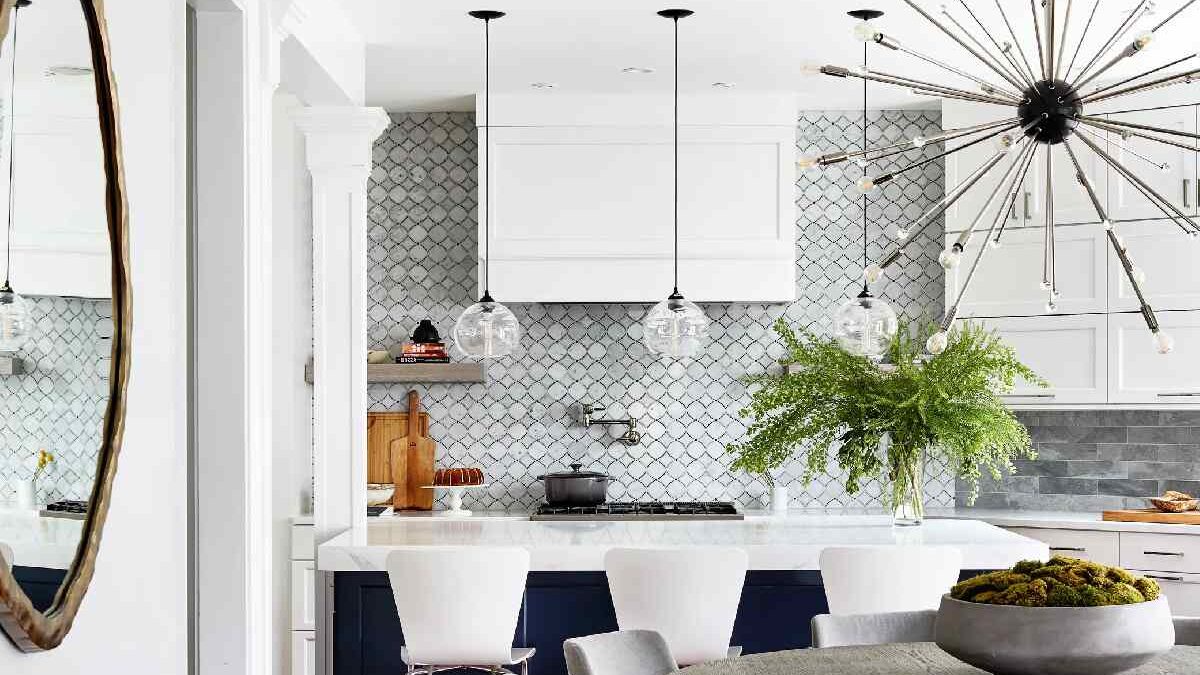
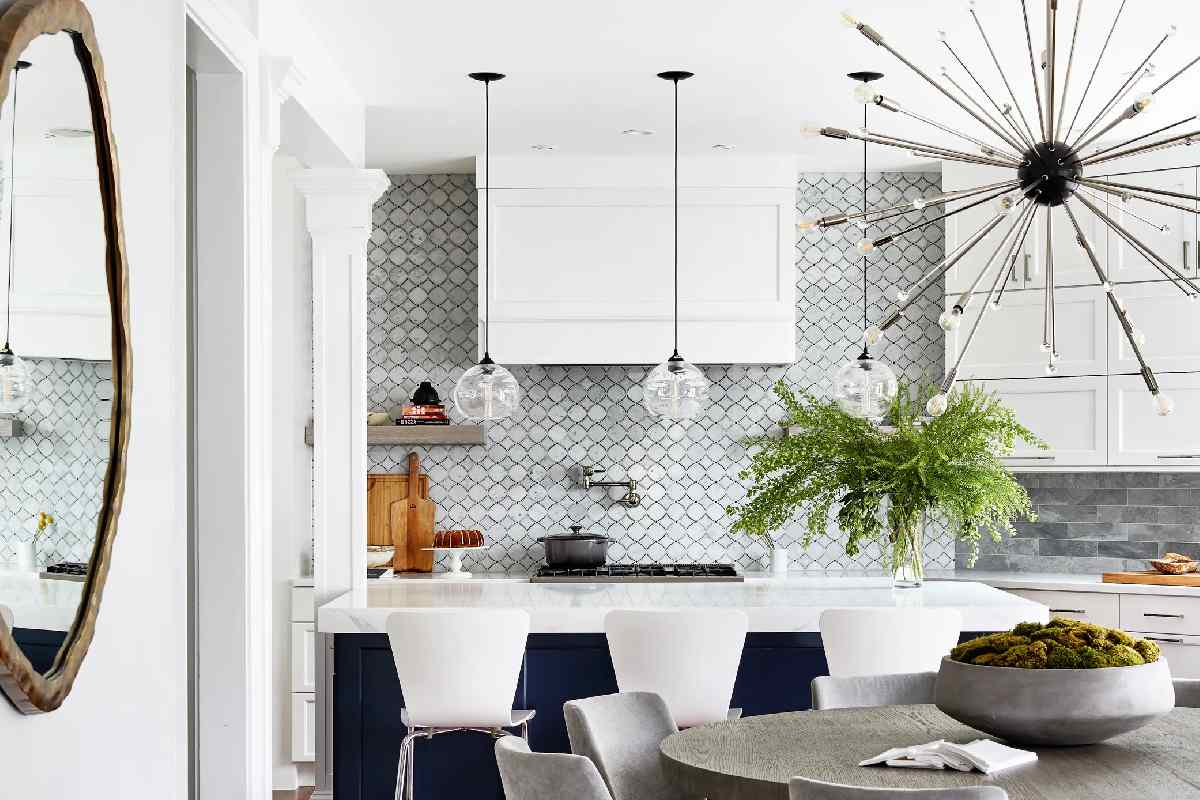
Decorating a small kitchen means using smart design, creative storage, and simple styling to make a limited space look larger, organized, and attractive. Even with a small area, you can create a beautiful and functional kitchen that feels comfortable and modern.
If you have many kitchen appliances such as Microwave, Oven Toaster, Pressure cooker, or anything that follows the science of cooking, you need to carefully optimize your kitchen.
Choosing optimized furniture or kitchen appliances, having shelves or niches and keeping everything always well organized are few tips for those who have a compact kitchen. Here are few practices which you can do at home to make the space even more special. Let’s check it out.
This article belongs to Kitchen & Bathroom
Table of Contents
Appropriate Choice of Furniture
If there exist one thing that is important for any type of small environment, it is knowing how to choose the right furniture. For the kitchen, this becomes a priority, as the space must to be functional and practical to facilitate everyday tasks.
So, look for options that suit the space and that also facilitate your needs while preparing recipes or washing dishes, for example. Multifunctional furniture can be a good option to enjoy the space in style.
Small Kitchen Space Planning Standards
Recommended Ergonomic Dimensions in Compact Kitchens
| Component | Minimum Recommended Size | Optimal Size for Functionality |
|---|---|---|
| Work aisle width (Designingidea) | 900 mm | 1050–1200 mm |
| Single cook aisle | 800 mm | 900 mm |
| Countertop depth | 450 mm | 600 mm |
| Countertop height | 820 mm | 850–900 mm |
| Upper cabinet depth | 300 mm | 350 mm |
| Toe kick height | 75–100 mm | 100 mm |
| Clearance between counters | 900 mm | 1100 mm |
| Appliance landing space | 300 mm | 380–450 mm |
Key Principles of Decorating a Small Kitchen
Decorating a small kitchen doesn’t require a big budget or renovation. With a few smart ideas, you can make your kitchen look stylish, spacious, and functional.
Niches and Shelves
Walls can help a lot if you have a small kitchen. Look at them carefully and try to think of methods to use them to your advantage.
Making a decoration with niches and shelves is a good way to make the walls of a small kitchen even more functional. By applying them correctly, you can save space and even replace large cabinets.
The most relaxed thing is that you can use the niches in the way that suits you the most. One tip is to use them to contemplate your favorite belongings and decoration items, such as your favourite coffee mugs collection, sets of crockery, pans and even seasonings.
It is worth remembering that there live different types of niches and shelves that can be incorporated into the decor, such as options in MDF, triangular, industrial and wired.
Colors and coatings
It’s not news that the color palette is important in any decoration project, even more so when it comes to small environments. In a small kitchen, colors help to make the environment harmonious, so that you have the impression that it is bigger. In this case, give preference to neutral tones that provide a wider area, such as white.
There are those who paint the floor and walls in the same color to give it even more space. This is because the trick gives continuity to the vision, without interruptions, giving the impression that the kitchen is bigger. Very strategic, right?
Mirrors
This tip is classic when it comes to decorating small spaces. In addition to giving the visual effect that the environment is bigger, the mirror has the power to bring even more lighting to the room. Not to mention the charm and elegance of having a space all mirrored.
It is vital to emphasize that there are several mirror formats for different functions. For example: the vertical ones expand the height, while the horizontal ones the width.
Try not to overuse! If you prefer, it is worth applying them in another space that is not so intended for domestic tasks, such as the dining table or countertop.
Hanging cabinets
Remember how we said you should choose the right furniture? So, hanging cabinets are good options for small kitchens, as they can save space and ensure more functionality to the room. Do the installation with a specialized professional and be careful not to leave them too high, okay?
Organization today and always!
Keep the kitchen always organized. And that’s not just for those who have a small kitchen. It is ideal for all spaces, especially those where different types of tasks are performed, whether domestic or not. In order for the kitchen to always be in order, it is important to place tidying up as part of the daily routine of the home, where everyone needs to participate and collaborate. Let everyone in the house know so that there is consensus.
Kitchen Work Triangle Optimization in Limited Areas
The Kitchen Work Triangle (Sink–Refrigerator–Cooktop) becomes significantly more critical in small kitchens because movement inefficiency directly increases task time and collision probability. (JLConline)
| Layout Type | Recommended Triangle Perimeter | Efficiency Level |
|---|---|---|
| Galley | 3600 – 6000 mm | Very High |
| L-Shaped | 4000 – 6500 mm | High |
| U-Shaped | 4200 – 7000 mm | Moderate |
| Single Wall | Not Applicable | Low |
Vertical Storage Engineering
Storage Volume Maximization Strategies
| Storage Method | Space Saved (%) | Functional Benefit |
|---|---|---|
| Ceiling-height cabinets | 20–30% | Reduces unused vertical void |
| Pull-out pantry | 15–20% | Increases accessibility |
| Corner carousel units | 10–15% | Eliminates dead zones |
| Magnetic strips | 5–10% | Clears drawer congestion |
| Pegboard walls | 10–12% | Modular reconfiguration |
| Under-sink organizers | 8–10% | Plumbing void utilization |
Lighting Layering in Small Kitchens
Functional Lighting Types
| Lighting Layer | Purpose | Ideal Placement |
|---|---|---|
| Ambient | Overall illumination | Ceiling recessed lights |
| Task | Work surface clarity | Under cabinets |
| Accent | Visual depth | Toe-kick / niches |
| Decorative | Aesthetic enhancement | Pendant lighting |
Recommended illuminance level for kitchen work surfaces:
300 – 500 lux
Benefits of Decorating a Small Kitchen
Decorating a small kitchen is not only about improving its appearance but also about making the space more functional, comfortable, and enjoyable. With the right design and organization, even a compact kitchen can feel spacious and efficient.
1. Better Space Utilization
A well-decorated small kitchen helps you use every corner wisely. Smart storage solutions such as wall shelves, organizers, and compact units from brands like IKEA and Home Centre allow you to:
- Maximize storage
- Reduce clutter
- Keep essentials within reach
This makes daily cooking easier and faster.
2. Improved Organization and Cleanliness
When your kitchen is decorated and organized:
- Items have designated spaces
- Cleaning becomes quicker
- Hygiene improves
- Food preparation becomes safer
A neat kitchen also reduces stress and confusion.
3. Brighter and More Spacious Feel
Using light colors, proper lighting, and simple décor can make a small kitchen appear larger.
Good lighting and reflective surfaces create:
- An open and airy environment
- A welcoming and modern look
This improves both mood and comfort.
4. Increased Comfort and Efficiency
A well-designed kitchen enhances workflow by:
- Placing tools and appliances strategically
- Reducing unnecessary movement
- Making cooking more enjoyable
This is especially helpful for busy households.
5. Positive and Relaxing Atmosphere
Adding decorative touches such as:
- Indoor plants
- Colorful accessories
- Personal elements
creates a warm and inviting space. A pleasant environment encourages healthy cooking and family bonding.
6. Cost-Effective Home Improvement
Decorating a small kitchen is usually more affordable than a full renovation.
Simple updates like:
- Paint
- Lighting
- Storage upgrades
can make a big impact without high costs.
For additional ideas on kitchen improvements, you can also explore why painted kitchen cabinets attract long-term tenants.
7. Enhances Home Value and Appeal
An attractive and organized kitchen can:
- Increase property value
- Impress guests
- Improve resale potential
Modern and functional kitchens are a major selling point.
8. Reduces Stress and Saves Time
A clutter-free kitchen:
- Makes daily tasks easier
- Saves time during cooking and cleaning
- Reduces mental stress
This helps maintain a balanced lifestyle.
Appliance Integration Techniques
Compact Appliance Size Standards
| Appliance Type | Standard Size | Compact Variant |
|---|---|---|
| Refrigerator Width | 700 mm | 450–550 mm |
| Dishwasher Width | 600 mm | 450 mm |
| Cooktop | 600–900 mm | 300–450 mm |
| Microwave | 600 mm | 450 mm |
| Oven | 600 mm | 450 mm |
Built-in appliances reduce spatial fragmentation by up to 25% in micro-kitchen layouts.
Material Selection for Small Kitchen Surfaces
Surface Reflection Index & Spatial Perception
| Material Type | Reflectivity (%) | Visual Expansion Effect |
|---|---|---|
| High Gloss Acrylic | 70–85% | Excellent |
| Quartz | 40–60% | Good |
| Glass Tiles | 60–75% | Very Good |
| Matte Laminate | 10–20% | Low |
| Stainless Steel | 55–70% | Good |
Ventilation Requirements in Small Kitchens
| Kitchen Size (sq.ft.) | Recommended Exhaust Capacity (CFM) |
|---|---|
| 50–70 | 150–200 |
| 70–100 | 200–300 |
| 100–150 | 300–400 |
Minimum installation height of chimney from cooktop:
650 – 750 mm
Smart Technology Integration
| Technology | Functional Outcome |
|---|---|
| Sensor-based lighting | Energy efficiency |
| Induction cooktops | Reduced thermal spread |
| Slim IoT refrigerators | Inventory tracking |
| Voice-controlled plugs | Remote appliance control |
Psychological Design Principles
| Design Factor | Impact on Perception |
|---|---|
| Continuous lines | Increases visual depth |
| Light gradients | Reduces spatial tension |
| Uniform textures | Improves openness |
| Open shelving | Minimizes visual bulk |
Conclusion
Designing a small kitchen effectively requires a balance between spatial planning, ergonomic layout, material selection, and storage optimization. By integrating compact appliances, vertical storage solutions, appropriate lighting layers, and reflective surface finishes, even limited kitchen areas can achieve high functionality without compromising usability.
Applying structured design principles such as work triangle optimization, efficient ventilation, and seamless flooring further enhances operational flow and spatial perception. With strategic planning and the right combination of modular elements, a small kitchen can be transformed into a highly efficient, visually open, and practically organized workspace suited for everyday use.
For more inspiration when planning a kitchen, you can also explore local kitchens.
For related home and kitchen ideas, see cookie dough in your pantry, the wonderful world of shower trays, and low-budget ideas to remodel your bathroom.

Afiya Jafar
Afiya Jafar is a lifestyle and home living writer at Country Living Blog who focuses on simple, practical and comfortable approaches to everyday living. Her content covers home improvement, gardening, interior ideas, décor, household organisation and lifestyle topics.
View Author Profile →
Sameena Begum
Sameena Begum is a lifestyle, home and digital content reviewer who reviews selected Country Living Blog articles for clarity, organisation, consistency and reader usefulness.
View Reviewer Profile →