
Last Updated: September 4, 2026
Citra hops are one of the hop varieties that have had a more significant impact on the constantly changing craft beer industry. The HBC 394 cv. Citra hops, which was officially launched in the brewing industry, have brought about a new dawn in the brewing industry, this is mainly because of its strong aromatic oils and balanced flavor profile that can turn around a beer. In this paper, we are going to discuss the history, properties and distinct flavor of Citra hops. Their numerous uses in brewing will also be discussed.
This article belongs to Drinks & Beverages
What Are Citra Hops?
Citra Hops (also known by their breeding code HBC 394) are a specially bred hop variety developed by the Hop Breeding Company and first released in 2007. They were created through a controlled breeding program and have become one of the most popular aroma hops in modern craft brewing, especially prized in hoppy beer styles like IPAs and pale ales.
Table of Contents
The Origins of Citra Hops
Citra hops were first introduced in the beer industry in 2007, having been developed by the Hop Breeding Company, a collaboration between John I. Haas, Inc. and Select Botanicals Group. The purpose was quite straightforward: to produce a type of hop that would no only serve as a workhorse in the context of the brewing performance, but also offer a unique flavor and aroma that would be able to stand out in a craft beer market that was growing increasingly competitive. Citra, genetic origin of which was associated with a variety of plants such as Hallertau Mittelfruh, Tettnang and East Kent Goldings among others, was a product of this breeding program.
Citra development was very careful with the emphasis being laid on a procedure that emphasized on the desired characteristics such as high alpha acids and exclusive oil profiles. Such qualities would come to characterize the Citra hops in the beer industry. The Citra hops were originally cultivated in Washington State and Idaho and the climate of the two regions proved to be the perfect condition in growing them and hence they acquire the qualities that they have such popularity in the world today.
Why Citra Is So Popular?
| ReasonExplanationImpact on Brewing | ||
|---|---|---|
| Intense Aroma | Strong citrus and tropical fruit character | Produces highly aromatic, appealing beers |
| Fruit-Forward Flavor | Notes of grapefruit, mango, lime, and passionfruit | Defines modern hop-forward beer styles |
| High Essential Oil Content | Rich in myrcene and linalool | Enhances juicy, fresh hop aroma |
| Versatile Usage | Effective in late boil, whirlpool, and dry hopping | Flexible for many brewing techniques |
| Dual-Purpose Potential | Moderate alpha acids allow some bittering use | Reduces need for multiple hop varieties |
| Signature IPA Hop | Core ingredient in many famous IPAs | Strong association with craft beer identity |
| Consumer Preference | Fruity aromas are widely liked by drinkers | Drives demand and repeat purchases |
| Consistency & Reliability | Stable flavor profile across harvests | Predictable results for brewers |
| Pairs Well with Other Hops | Blends easily with Mosaic, Simcoe, Amarillo | Enables complex hop profiles |
| Influence on Craft Beer Trends | Helped shape hazy and New England IPAs | Set new standards for hop aroma intensity |
Beer Styles & Usage
| Beer StyleHow Citra Hops Are UsedReason for Use | ||
|---|---|---|
| India Pale Ale (IPA) | Late boil, whirlpool, dry hopping | Delivers strong citrus and tropical aroma |
| New England IPA (NEIPA) | Heavy dry hopping | Creates juicy, hazy, fruit-forward character |
| American Pale Ale | Late additions and dry hopping | Adds balanced hop aroma without overpowering bitterness |
| Hazy Ale | Whirlpool and dry hopping | Enhances softness and tropical flavor |
| Wheat Beer | Light dry hopping | Adds fruity aroma while maintaining smooth mouthfeel |
| Amber Ale | Late boil additions | Introduces citrus notes to malt-forward profile |
| Session IPA | Dry hopping | Provides aroma intensity with lower alcohol content |
| Experimental / Craft Ales | Flexible use across stages | Supports creative flavor development |
Technical Summary
| Technical AspectDetails | |
|---|---|
| Hop Variety Name | Citra® Hops |
| Breeding Code | HBC 394 |
| Type | Aroma hop (dual-purpose potential) |
| Origin | United States |
| Breeder | Hop Breeding Company |
| Year of Release | 2007 |
| Alpha Acid Content | ~10–16% |
| Beta Acid Content | ~3–4.5% |
| Cohumulone | ~20–24% of alpha acids |
| Total Essential Oils | ~1.5–3.0 mL / 100 g |
| Major Oil Components | Myrcene, Humulene, Caryophyllene, Linalool |
| Dominant Aroma Profile | Citrus, tropical fruit, stone fruit |
| Primary Brewing Use | Late boil additions, whirlpool, dry hopping |
| Bittering Potential | Moderate (not commonly used as sole bittering hop) |
| Common Beer Styles | IPA, NEIPA, American Pale Ale, Hazy Ales |
| Storage Stability | Moderate (best stored cold and oxygen-free) |
| Overall Significance | One of the most influential hops in modern craft brewing |
Genetic Pedigree and Development
| Aspect | Details |
|---|---|
| Breeding Company | Hop Breeding Company (USA) |
| Breeding Code / Designation | HBC 394 |
| Year Released | ~2007 |
| Purpose of Breeding | High aromatic intensity, dual-purpose hop (bittering + aroma) |
| Parent Varieties | Hallertauer Mittelfrüh, U.S. Tettnanger, Brewer’s Gold, East Kent Golding |
| Development Goal | Combine desirable aroma traits with usable alpha acid for bitterness |
| Primary Traits Selected | Citrus & tropical aroma, moderate-high alpha acids, low co-humulone |
Citra Hops Characteristics
The citra hops are characterized by their high level of alpha acid that will normally be between 11-13% alpha acid. They are a great substitute of hop-based types of beer like the American IPAs and pale ales, which require a strong presence of hops. Citra hops are abundant in essential oils that include myrcene, caryophyllene and humulene that make it have a strong and unique smell.
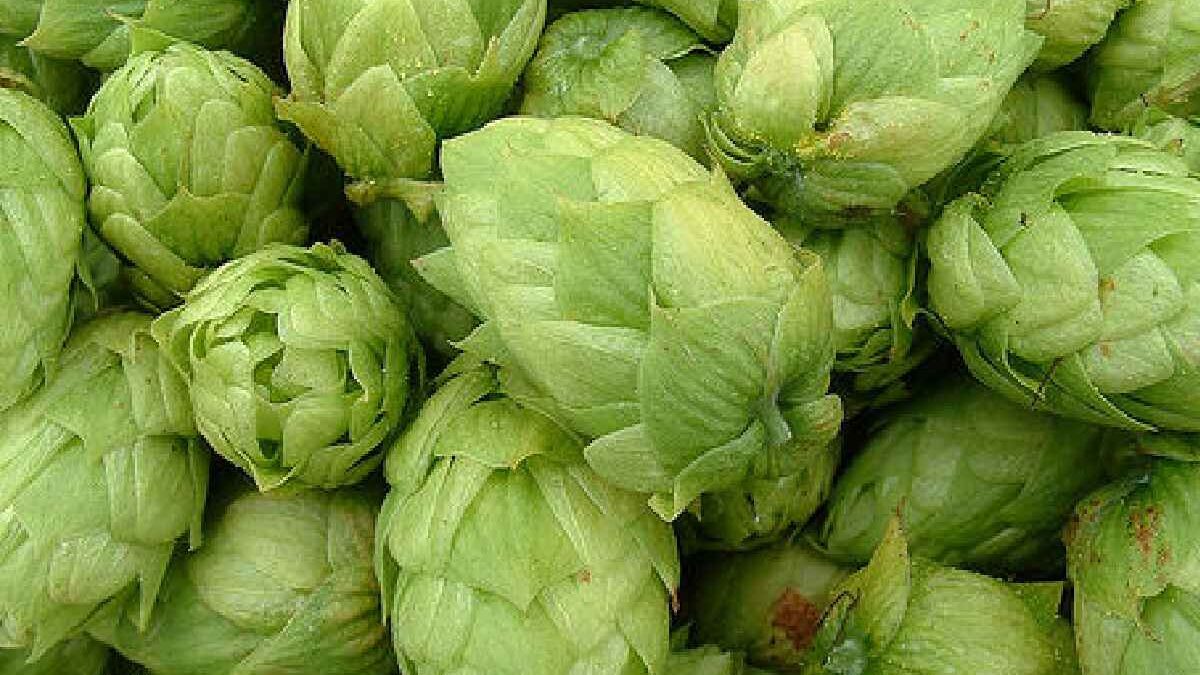
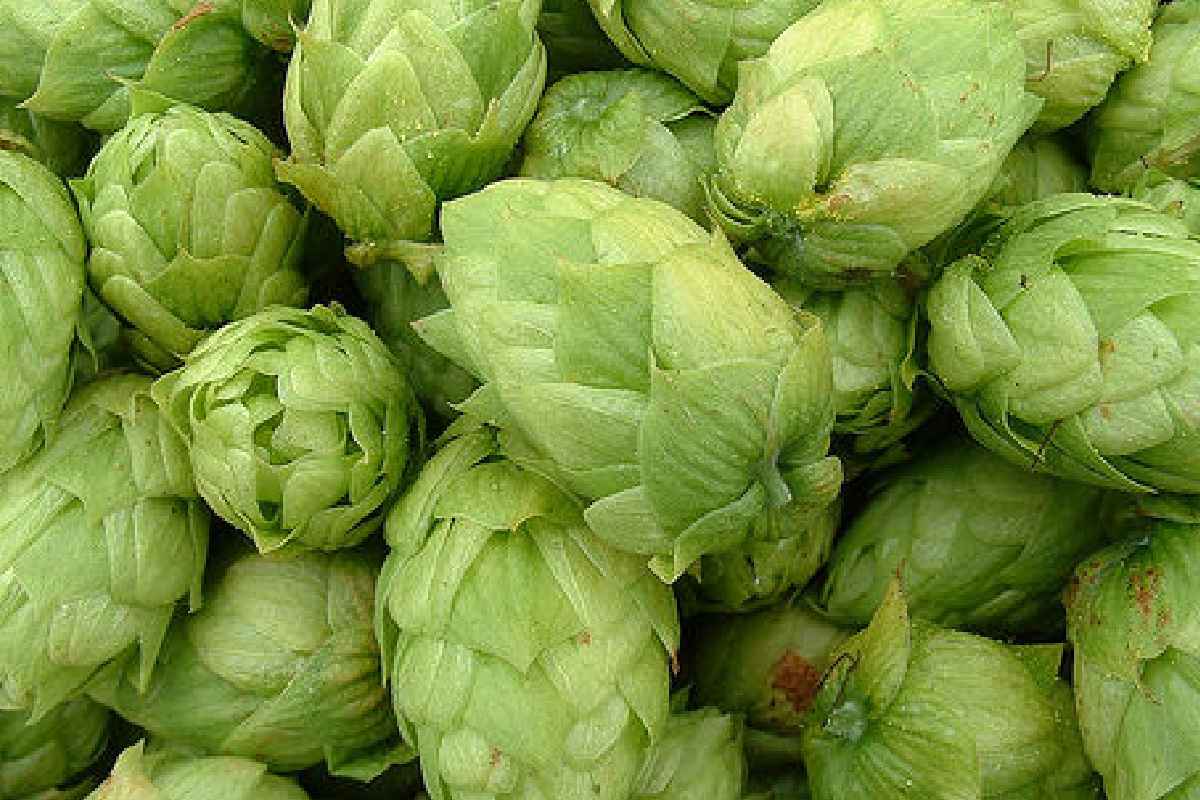
Citra hops are also interesting with respect to the characteristics of their physical appearance. The hops are typically medium sized with a rounded and somewhat flattened shape hence ideal to be used as whole cone or for the manufacturing of pellets. Brewers which demand the consistency of their brews throughout the year irrespective of the season place high importance on their quality which stays the same after being stored in good conditions.
Chemical and Compositional Profile
| Component | Typical Range / Value |
|---|---|
| Alpha Acids | 10–16% (commonly 11–13%) |
| Beta Acids | 3–5% |
| Co-Humulone | 20–24% of alpha acids |
| Total Oil Content | 1.5–3.0 ml / 100 g dried hops |
| Myrcene | 50–70% of essential oil |
| Humulene | 7–13% |
| Caryophyllene | 4–8% |
| Linalool | Trace–minor |
| Geraniol | Trace–minor |
| Farnesene | <1% |
Citra Hops Tasting Profiles and Aroma
With Citra hop flavor profiles, the name itself can tell one what to expect. The hops known as citra are used in offering different citrus tastes such as lime, grapefruit, mango, and passion fruit. Citra hops will complement any hop pick, making it a nice blended herbal, floral and nectar based hops.
Immediately after the palette of the flavor profile, one can find the aroma of Citra hops. Brewers and beer enthusiasts state that it has the aroma of fresh citrus peels or a tropical cocktail, sharp and fierce. This is a smell that can be the first thing that you smell upon taking the beer. Citra is also an excellent option in the dry hopping due to its loud and vivid aromas.
Sensory and Flavor Characteristics
| Attribute | Description / Notes |
|---|---|
| Primary Aroma | Bright citrus |
| Secondary Aroma | Tropical fruit |
| Tertiary Notes | Stone fruit, lychee, subtle floral hints |
| Flavor Impact | Intensely fruity and citrusy; adds pronounced hop flavor |
| Bitterness Perception | Smooth, not harsh |
| Ideal Usage | Late boil, whirlpool, dry hopping for aroma intensity |
| Beer Style Fit | IPAs, New England / Hazy IPAs, American Pale Ales, Double IPAs |
Citra Hops
| Brewing Stage | Purpose / Effect |
|---|---|
| Early Boil Addition | Contributes bitterness (IBU) |
| Late Boil / Whirlpool | Adds pronounced flavor components |
| Dry Hopping | Maximizes aromatic intensity |
| Dual-Purpose Use | Bittering + aroma/flavor |
| Beer Styles | IPAs, New England / Hazy IPAs, American Pale Ales, Double IPAs |
Brewing Application
The immense usefulness of Citra can be seen through its large variety of brewing applications. Other than its regular use as bitterning due to its richness in alpha acids, it also performs well when added at the later stages of the boiling process or in dry hopping and has an opportunity to express the aromatic properties. Hazy New England IPAs to more balanced American Pales, the Citra hops have been a fan favorite and provide depth, flavor and aromatics that are difficult to come by compared to any other single hop variety.
The Citra hops are the most popular when used in single-hopped beers, where the hop is the only one. This would help put into focus their high profile and allows brewers to focus on the variety of flavors and aromas Citra hops can provide. They are also commonly combined with other hop ones to form a more sophisticated or balanced flavor and aroma profile. Brewers can explore additional information on hop usage and brewing techniques through the Brewers Association.
Brewing Applications & Usage
| Brewing Stage | Purpose / Effect |
|---|---|
| Early Boil Addition | Contributes bitterness (IBU) |
| Late Boil / Whirlpool | Adds pronounced flavor components |
| Dry Hopping | Maximizes aromatic intensity |
| Dual-Purpose Use | Bittering + aroma/flavor |
| Beer Styles | IPAs, New England / Hazy IPAs, American Pale Ales, Double IPAs |
Food Chefs and More
Interestingly, the application of the Citra hops is not limited to beer making. They have a good citrus and floral taste and are therefore an ideal addition to the culinary recipes that require a zesty flavor. The zing that Citra hops can bring can be used in hop-infused oils, as well as vinegars, and even desserts.
With the traditional brewing and craft brewers still experimenting and pushing the limits of traditional brewing, the Citra hops will certainly be in the forefront in the creation of new beers and flavors. In fact, regardless of whether you are an amateur beer lover or a professional in the beer industry, you can take your beer profiles to the next level.
Comparative Context in Craft Brewing
| Aspect | Citra | Mosaic | Amarillo | Cascade |
|---|---|---|---|---|
| Primary Aroma | Citrus (lime, grapefruit, orange), tropical fruit | Berry, tropical fruit, pine | Orange-citrus, floral | Floral, grapefruit, balanced citrus |
| Flavor Intensity | High | High | Medium | Medium |
| Alpha Acid Range | 10–16% | 12–14% | 8–11% | 4.5–7% |
| Best Usage | Late boil, whirlpool, dry hopping | Late boil, dry hopping | Late boil, dry hopping | Early boil, aroma, dry hopping |
| Perceived Bitterness | Smooth, not harsh | Moderate | Moderate | Crisp, slightly harsh |
| Typical Beer Styles | IPAs, Hazy IPAs, APA, Double IPAs | IPAs, Pale Ales, Hazy IPAs | IPAs, Pale Ales | American Pale Ales, IPAs |
| Distinctive Feature | Bright citrus & tropical aroma | Complex tropical + berry fruit profile | Balanced citrus-floral aroma | Classic American citrus aroma |
Agronomic and Storage Notes
| Aspect | Details / Notes |
|---|---|
| Yield | Moderate to high; suitable for commercial hop farms |
| Processing Form | Typically processed into T-90 pellets for brewing |
| Storage Conditions | Cool, low-oxygen, dry environment to preserve alpha acids and essential oils |
| Shelf Life | 12–18 months if properly stored; aroma may degrade over time |
| Harvest Timing | Usually late summer to early fall (Northern Hemisphere) |
| Disease Resistance | Moderate; susceptible to powdery mildew and downy mildew under certain conditions |
| Climate Adaptability | Performs best in temperate climates with sufficient sunlight and water |
| Transport Considerations | Pellets preferred over whole cones for durability and reduced oxidation |
Interact with the Nature of Citra
The freshness of the Citra hops and its special features can make the experience of brewing and consuming beer exceptional. Hop Havoc is proud to supply high-quality Citra hops to make your creations of craft beer. Explore Citra series and find the infinite possibilities of your next brew. Call us with the finest hops and new brew. We can make something wonderful with each other!
For readers interested in other beverage-related topics, they can also explore vodka and learn more about vape juice. Fresh beverage ideas can also be explored through this guide on how to make fruit juices.