
Last Updated: September 2, 2026
Table of Contents
Garden for Fall: Planning, Planting, and Maintaining Your Outdoor Space
Garden for fall is planning, planting, and maintaining a garden specifically suited for the autumn (fall) season.
With fall well underway, it’s time for home and property owners and renters to give outdoor areas time and attention to prepare for temperature and weather changes and seasonal festivities and holidays. This guide provides the top basic steps that you need to take to improve your landscape this time of year.
This article belongs to Gardening
Harvest and Preserve Decorative and Edible Plants
Many people use early-fall plants to decorate their homes. To create decorative plants, cut long grasses, wild and domesticated flowers, leaves and even branches, and either hang the plants in a dry, low-humidity, warm area or use a drying agent with or without a sealant. Moreover, it is harvest season. Gather nuts, vegetables and edible components of plants and then preserve them in a way you like most (e.g., canning, drying or freezing) so that they will last until fall and winter.
Soil Health and Nutrient Management (Fall Preparation)
| Soil Factor | Why It Matters in Fall | Research-Based Insight | Recommended Fall Action |
|---|---|---|---|
| Soil Testing | Identifies nutrient deficiencies before dormancy | Fall tests provide more stable nutrient readings than spring | Conduct soil testing every 2–3 years |
| Nitrogen (N) | Supports root energy storage | Excess nitrogen in late fall increases frost damage risk | Use low-N or slow-release fertilizers |
| Phosphorus (P) | Promotes root development | Cooler soil temperatures improve phosphorus uptake | Apply only if soil test shows deficiency |
| Potassium (K) | Improves cold tolerance and disease resistance | Lawns low in potassium show higher winter kill rates | Choose fertilizers with higher K ratios |
| Soil pH | Affects nutrient availability | Optimal pH (6.0–7.0) improves nutrient absorption by up to 40% | Apply lime or sulfur based on test results |
| Organic Matter | Enhances soil structure and water retention | Increased organic matter boosts microbial activity | Add compost (¼–½ inch layer) |
| Soil Compaction | Restricts root growth and oxygen flow | Compacted soils reduce root depth significantly | Core aeration in early fall |
| Microbial Activity | Drives nutrient cycling | Microbial populations increase in cool, moist fall soils | Avoid chemical overuse; add organic inputs |
| Moisture Retention | Prevents drought stress before winter | Well-hydrated soils reduce winter injury | Deep watering before ground freeze |
Strategic Recommendations for Homeowners & Renters
Budget-Friendly Approach:
- DIY leaf mulching
- Compost garden waste instead of disposal
- Focus on aeration and overseeding only
Mid-Range Investment:
- Professional aeration
- Preventive pest control
- Mulch installation
Premium Property Care:
- Full fall landscaping package
- Soil amendment programs
- Tree health inspections
- Irrigation system winterization
Mow, Prune and Trim to Prepare for Upcoming Changes
After you gather every decorative and edible plant you want to keep, prepare the lawn and garden for whatever seasonal changes are common to your geographic area. In general, most people mow their lawns as part of continued maintenance and then perform extra aeration, nourishment, sodding and reseeding tasks.
You also have to plant and prune any perennial plants that are present all year round and will naturally stay in a landscape longer than two years like bushes, shrubs, trees and some vines. A local company that handles the trimming of trees should be contacted to know the most suitable time of a year to trim the trees in your property. Change summer/annual to those that are able to grow or bloom in your location very well in the fall, as well. Gardeners who grow vegetables can also review guidance on calcium for tomato plants when preparing soil and maintaining healthy seasonal crops.
Garden Cleanup: What to Remove vs. What to Leave (Fall)
| Garden Material | Remove or Leave? | Research-Based Reason | Best Practice |
|---|---|---|---|
| Diseased plant material | Remove | Reduces overwintering pathogens and pests | Dispose in trash, not compost |
| Dead annual plants | Remove | Prevents fungal spread and pest habitats | Pull after first frost |
| Spent vegetable crops | Remove | Minimizes disease carryover | Clear beds after final harvest |
| Fallen fruit and vegetables | Remove | Attracts pests and promotes rot | Collect weekly in fall |
| Healthy perennial stems | Leave | Protects crowns and supports beneficial insects | Cut back in early spring |
| Seed heads (flowers, grasses) | Leave | Provides food for birds and pollinators | Trim selectively if needed |
| Leaf litter in garden beds | Leave | Acts as natural mulch and soil conditioner | Shred leaves for faster breakdown |
| Woody debris (small branches) | Leave (selectively) | Provides habitat for beneficial insects | Move to bed edges or compost |
| Weeds with seed heads | Remove | Prevents reseeding and spring infestations | Remove before seeds mature |
| Invasive plant material | Remove | Spreads aggressively if left over winter | Bag and dispose properly |
Remove and Recycle Unwanted Plant and Other Materials
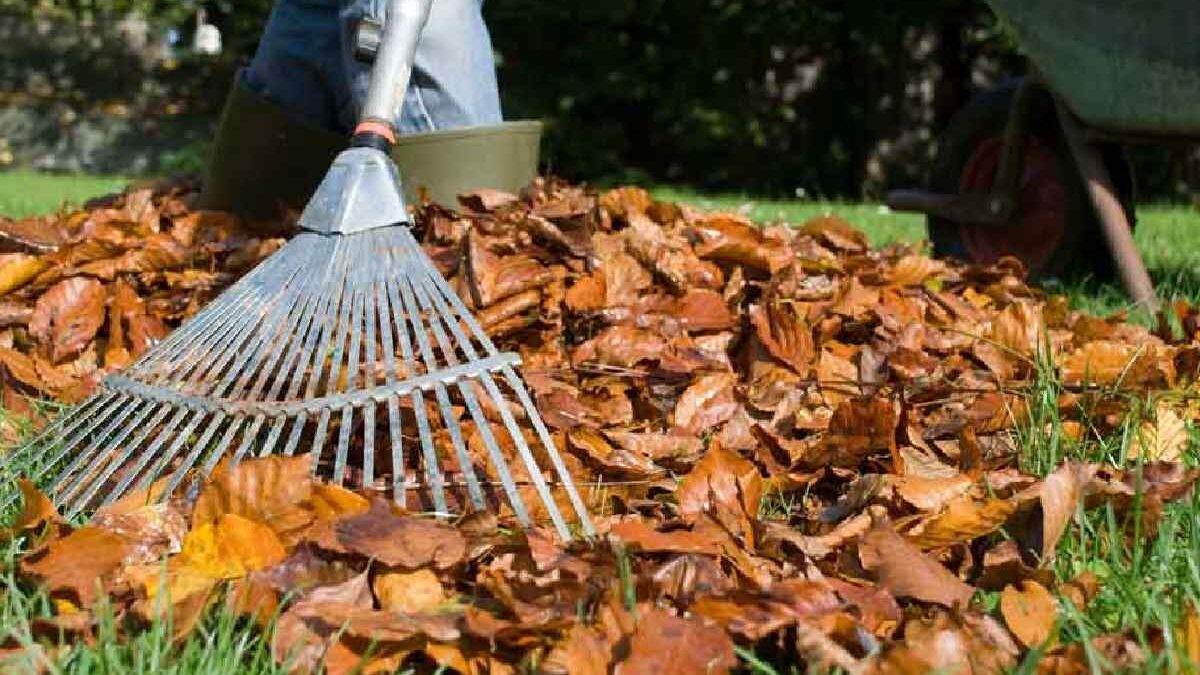
While cutting plants, always make certain to cut away or dig out diseased or pest-attracting parts or whole plants, including old branches and stumps. Weed out plants that are no longer living or have died, perennial or annual flower or fruit plants that are crowding out other plants or have ceased flowering or fruiting. Litterfall of the leaves, twigs and other parts of plants to the ground to enable the sunlight to reach the grass and other plants.
Also, sweep the gutters to remove the leaves and other trash. And, to introduce you to the rain barrels and compost bin, where you lack, it is time you invested in both to facilitate the saving water and plant materials recycling process. The latter can cut down the water bills on sustaining the indoor potted and greenhouse plants. The latter are capable of producing rich dark soil which could be used in potted plants and spring gardens. For homeowners who also maintain greenery indoors, information about indoor plants can be useful when caring for plants inside the home.
Mulching for Temperature Regulation (Fall Gardening)
| Mulch Type | Temperature Regulation Benefit | Research-Based Insight | Recommended Application |
|---|---|---|---|
| Shredded leaves | Insulates soil against rapid temperature swings | Can stabilize soil temperature by 5–10°F | Apply 2–3 inches after first frost |
| Pine bark mulch | Reduces heat loss and frost penetration | Slows soil freezing and thawing cycles | Apply 2–4 inches around perennials |
| Straw | Traps air for insulation | Effective for vegetable beds and tender plants | Apply 3–4 inches once soil cools |
| Wood chips | Long-term insulation and moisture control | Decomposes slowly, improving soil structure | Keep 2–3 inches away from plant stems |
| Compost | Moderates temperature and enriches soil | Improves microbial activity while insulating | Apply 1–2 inches as top layer |
| Pine needles | Prevents soil compaction and frost heaving | Allows airflow while retaining warmth | Apply 2–3 inches in garden beds |
| Evergreen boughs | Shields plants from wind and sun scorch | Reduces winter desiccation | Place loosely over sensitive plants |
| Grass clippings (dry) | Light insulation | Effective only when fully dried | Apply thin layer to avoid matting |
Prepare for Winter Weather and Future Growth and Planting
Most property owners have not known that the best time to plant bulbs in the spring is during fall, or install basement/storage grow lamps. Furthermore, in addition to supplying the soil with specially created topsoil and time-released fertilizer, you must maintain the weeds minimal, maintain the ground moisture and insulate the ground root systems against the change of temperature through mulch covering the perennials.
Sow plant hardy covering crops in all empty areas of the soil that you intend to use either in gardens or ornamentation next year. When you are in a colder environment, you should treat outdoor potted plants of pests and transfer them to the house or a greenhouse. In case you have an irrigation system and you live in an area where temperatures go down to freezing point or even lower, empty the hoses and pipes.
Climate-Based Fall Preparation for Lawn and Garden
| Climate Zone | Common Regions | Primary Fall Challenges | Research-Backed Focus Areas | Recommended Fall Actions |
|---|---|---|---|---|
| Cold Climate (USDA Zones 3–5) | Northern U.S., Canada, Northern Europe | Freezing soil, snow mold, root damage | Root strengthening and insulation | Aerate and overseed early fall, apply potassium-rich fertilizer, mulch heavily after first frost |
| Temperate Climate (Zones 6–7) | Mid-U.S., UK, Parts of Europe | Fluctuating temperatures, soil compaction | Nutrient balance and soil conditioning | Core aeration, compost topdressing, selective pruning |
| Warm Climate (Zones 8–10) | Southern U.S., India, Australia | Pest survival, soil nutrient depletion | Pest control and soil recovery | Remove diseased plants, apply organic matter, reduce watering gradually |
| Arid Climate | Southwestern U.S., Middle East | Moisture loss, soil salinity | Water conservation and soil protection | Deep but infrequent watering, organic mulch application |
| Humid Climate | Southeast U.S., Coastal regions | Fungal diseases, excess moisture | Disease prevention and airflow | Remove infected debris, avoid over-mulching, improve drainage |
| Mediterranean Climate | California, Southern Europe | Dry summers, mild winters | Soil replenishment and erosion control | Add compost, mulch lightly, plant cover crops |
| High-Altitude Regions | Mountain areas worldwide | Rapid temperature drops, wind exposure | Frost protection and root insulation | Mulch early, protect young plants, reduce pruning |
Get Rid of Annoying Critters Before They Move into the House
Fall season is also characterized by several insects and other pests, birds, chipmunks, mice, raccoons and squirrels attempting to seek refuge in homes and other buildings to avoid the seasonal weather changes. Inspect your property and look after any possible entry points or occupation by the pests such as holes and cracks in exterior siding and foundation blocks, holes and tunnels in the lawn, damage on the wood, and pest droppings, carcasses, nests, foul odor, and claw or teeth marks. Think about contracting the services of a professional pest control company to identify and eliminate pests and put up the shields and traps like fox fencing to prevent future infestations.
Maintain and Store Away Landscape and Gardening Equipment
Although you may be required to run lawn and garden equipment all year round, fall is best to do maintenance and store unnecessary ones. Eliminate dirt and debris on any surfaces, replace, sharpen or tighten components and apply manufacturer approved oils or protective creams and fluids to treat surfaces, particularly metal surfaces and prevent rusting and wear. Unless you are using this equipment in winter, it should be kept in a well maintained dry shed or garage. In case the equipment is filled with gasoline, empty the fuel and store it. Also, in case you have only one storage place and do not require the equipment, place it to the back to enable you ease of accessing other items, e.g. winter gear and snow removal equipment.
Country Comparison: Fall Lawn & Garden Preparation Practices
| Country | Fall Focus Areas | Avg Seasonal Spend | Climate Impact |
|---|---|---|---|
| USA | Aeration, reseeding, pest prevention | $250–$600 | High seasonal variation |
| UK | Leaf control, moss prevention, soil conditioning | £180–£450 | Damp, cool climate |
| Australia | Lawn recovery, irrigation adjustment | AUD 200–500 | Mild winters, drought risk |
| India | Garden pruning, composting, pest control | ₹3,000–₹12,000 | Regional climate differences |
Make Your Property Look Fantastic by Adding Finishing Touches
Once you are physically changed with your lawn and garden, you should think of how you would like your home and landscape to appear in the fall and even in winter. Repair or install hardscaping features, e.g. walkways, retaining walls and stone gardens. Fall maintenance and winterization of any of your water-based installations such as a pond etc. Clean up the exterior of your home, your garage, and any other exterior buildings, including gazebo or trellis, with a power washer or otherwise, make any repairs and then paint a new coating.
When these jobs are done, place popular dry or fake fall items in the outdoor areas, including gourds and pumpkins, autumnal wreaths and other harvest, Halloween or Thanksgiving items.
Cost Analysis: Average Fall Lawn & Garden Preparation Costs (2022–2026)
Fall lawn preparation costs vary based on property size, climate, labor rates, and whether tasks are DIY or professionally handled.
| Task | 2022 Avg Price | 2023 Avg Price | 2024 Avg Price | 2025 Avg Price | 2026 Est. Price |
|---|---|---|---|---|---|
| Lawn Mowing & Edging | $40–$55 | $45–$60 | $50–$65 | $55–$70 | $60–$75 |
| Aeration & Overseeding | $90–$140 | $100–$150 | $110–$165 | $120–$175 | $130–$190 |
| Leaf Removal | $75–$120 | $85–$135 | $95–$150 | $105–$165 | $115–$180 |
| Fertilization & Soil Treatment | $60–$100 | $65–$110 | $70–$120 | $80–$130 | $90–$145 |
| Pest Control (Fall Preventive) | $120–$180 | $130–$195 | $140–$210 | $150–$230 | $165–$250 |
Best Gardening Tools & Sets — Comparison and Prices
| Product | Typical Price | Tools Included / Level | Best For |
|---|---|---|---|
| Bombay Greens 6 In 1 Gardening Tool Kit | ₹599 | 6-piece hand tool set | Everyday garden tasks, durability |
| Nurserylive Garden Tool Kit Set of 5 | ₹259 | 5 basic tools | Budget starter kit |
| Green Touch Home Gardening Tool Combo | ₹425 | Combo kit with cutters & gloves | Starter + comfort |
| Garden Tool Kit (10 pcs) | ₹2,290 | 10-piece set | Mid-range complete kit |
| 9-Piece Heavy-Duty Garden Tool Set | ₹6,726.30 | Heavy-duty multi-tool set | Premium, larger gardens |
| Gardening Tools Set of 10 | ₹7,569 | Premium tool set | Professional or regular use |
Notes on Use and Value
Budget / Beginner Options (₹250–₹600):
- Nurserylive Garden Tool Kit: Not complicated and inexpensive kit; perfect in small gardens or beginner gardeners.
- The Bombay Greens 6 In 1: Long life and complete basic tools (4.8/5) Professional reviews.
- Green Touch Combo: This package includes cutters and gloves, and is considered a flexible starter package in planting, pruning, and simple trimming.
Mid-Range Sets (₹2,000–₹3,000):
- Garden Tool Kit (10 pcs): The versatility and longevity are equal; the toolkit is applicable in the garden where people can do various tasks, including weeding, soil loosening, planting, and pruning.
Premium / Heavy-Duty Kits (₹6,000+):
- Smaller sets of tools are of lesser quality and would be utilized in more professional duty and on a frequent basis. They suit larger lawns and non-care.
Price & Market Context
Price Tiers (Global Guidance)
- Entry Level: $5 -20/ 400-1600 Indian rupees – simple tools, lighter materials.
- Middle: 20-60/ 1600-4800 – worse materials and more ergonomically correct.
- Premium: 60 and above/ 4,800 and above- high quality of build and more long-lasting.
Normal Indian Market Ranges
According to the Indian tool price lists in aggregate form:
- Basic Hand Tools (trowel, hand fork, rake): ₹200–₹800 each.
- Pruning Shears / Small Tools: ₹300–₹1,500.
- Mid-Level Sets: ₹500–₹2,000.
- Higher-End / Professional Sets: ₹1,800–₹5,000+.
Quality Country and Brand Experiences
- European brands (e.g. Gardena by Husqvarna Group) tend to be mentioned in terms of long-lasting metal construction and ergonomic design, but are generally more expensive than simple imports.
- The tools used in Japan such as Hori Hori knife are very versatile and well regarded to dig, cut and weed- in some instances better than simple trowels.
Recommendations by Use Case
In the case of Small Urban Gardens or Balcony Gardening
- Start with a budget tool set such as the NurseryLive or Bombay Greens kits.
- Keep in mind that you can add a Hori Hori knife (which is frequently sold at $20 and above internationally) to perform several tasks at once in case you require more tools.
To receive regular yard maintenance
- A mid-range 10-piece kit such as the ₹2,290 set gives more coverage (weeding, digging, pruning, planting).
- Use ergonomic hand tools (e.g. soft-grip) in order to relieve stress on hands.
For Larger Properties or Frequent Use
- Invest in a heavy-duty set or premium tools. These are usually more specialized tools and are more durable when used on a frequent basis.
- Review materials (carbon steel vs. plated steel) and warranty where available, as higher upfront cost typically pays off in durability.
Final Thoughts About Seasonal Landscape Changes
When you are starting on any project you do in the lawn or even in the garden, you must always remember other outdoor projects that you would want or need to do that may destroy your work. Discuss any work on your lawn or your garden with a home improvement professional or contractor and certainly consult them if you are planning to add an outdoor fire pit, outdoor kitchen or gathering area or even a simple hot or arctic tub. Contractors may have to scratch the grass with heavy equipment to carry in goods or products.
To make changes to outside electrical or plumbing systems, they may have to excavate the ground. Finally, self-help activities of certain projects like installation and pest control might also make the job more expensive when you end up not doing everything right on the first attempt. Remember that by employing one or several professionals, you would be able to save time and money in the long-term.
For additional information about selecting and caring for plants, gardeners can also refer to The Benefits of Plant Nurseries for related guidance.
For additional gardening guidance, you can also refer to the University of Minnesota Extension gardening resources.