
Last Updated: August 31, 2026
Table of Contents
Stone Floor Tiles
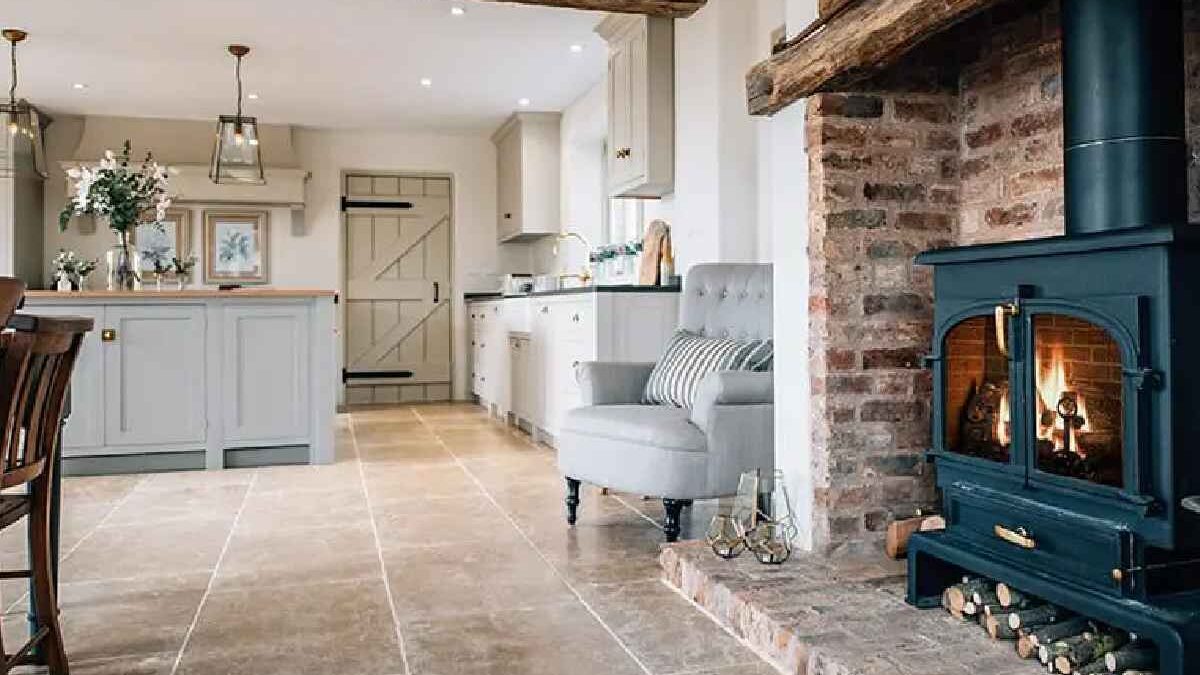
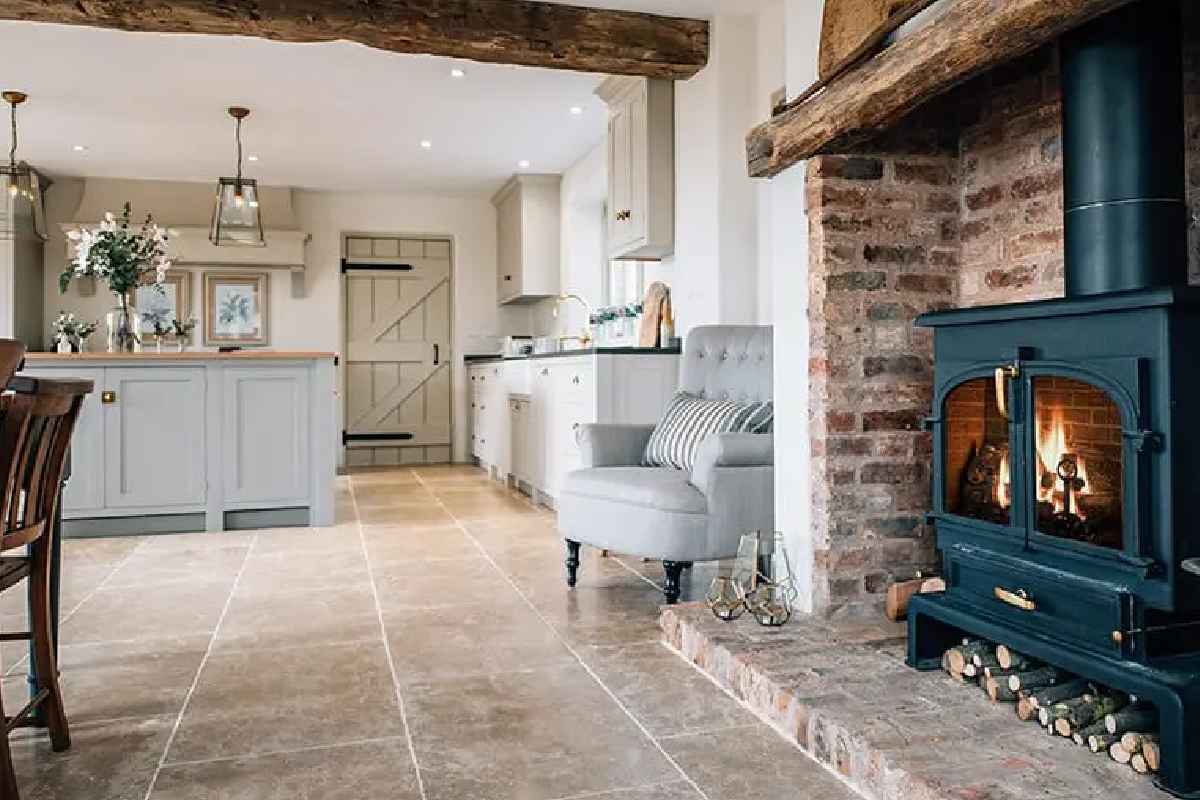
Stone floor tiles are flooring tiles made from natural stone materials, used to cover and decorate floors in homes or commercial spaces.
Diversity of these floor tiles is that you can adopt them in various rooms around your house, and you will not regret adding a sense of sophistication and fashion. On a budget, you will be happy to learn that you can find some great deals on such tiles and it is not as expensive as many people may think. We are going to consider the main advantages of this kind of flooring in this article.
This article belongs to Flooring & Rugs
What Are Stone Floor Tiles?
Stone floor tiles are construction materials that are cut out of natural rock to form hard flat surfaces that can be used on the floor. Unlike manufactured tiles (ceramic or porcelain), stone tiles do not lose the natural texture, colour working and mineral structure of the rock. Marble, granite, slate, limestone, and travertine are some of the usual natural stones used as floor tiles.
The flooring is one of a kind because there is natural variation in colour, veins, and the structure of the grain and these qualities add to the high-end appearance of stone flooring. For additional information about natural stone and its properties, you can also refer to the Natural Stone Institute.
Key Properties Table
| Property | Description | Benefits |
|---|---|---|
| Durability | Resists scratches, impacts, abrasion | Long-lasting in high-traffic zones |
| Aesthetics | Unique natural colors, patterns | Adds luxury, no two tiles identical |
| Thermal Mass | Retains heat/coolness effectively | Energy-efficient for floors, counters |
| Slip Resistance | Textured surfaces on many varieties | Safer for wet environments |
| Porosity | Varies by stone type (low to medium) | Sealable for moisture/chemical resistance |
| Maintenance | Low after initial sealing | Minimal cleaning, resists wear |
What Are the Benefits?
Stone flooring has numerous advantages and this is the reason why it is one that has gained popularity in the homes. Some of the key benefits are:
| Benefit | Description | Advantages |
|---|---|---|
| Durability | Withstands heavy traffic, scratches, impacts | Lasts decades with minimal wear |
| Aesthetic Appeal | Unique natural patterns, colors, textures | Elevates design, adds luxury value |
| Thermal Regulation | Absorbs and retains heat/coolness | Energy-efficient, comfortable underfoot |
| Low Maintenance | Easy to clean when sealed | Resists stains, requires little upkeep |
| Versatility | Suitable for floors, walls, outdoors | Fits kitchens, bathrooms, patios |
| Eco-Friendly | Natural, recyclable material | Sustainable choice for green homes |
Popular Types Table
| Type | Origin | Key Features | Best Uses |
|---|---|---|---|
| Marble | Metamorphic rock | Elegant veining, polished shine | Bathrooms, foyers, luxury areas |
| Granite | Igneous rock | High durability, low porosity | Kitchens, high-traffic floors |
| Travertine | Sedimentary limestone | Textured pits, warm tones | Entryways, patios, casual rooms |
| Slate | Metamorphic fine-grain | Rustic texture, slip-resistant | Mudrooms, outdoor spaces |
| Limestone | Sedimentary soft stone | Matte finish, easy to cut | Living rooms, walls |
For more information about limestone as a flooring option, you can also explore limestone tiles.
Drawbacks and Limitations
| Drawback | Description | Limitations |
|---|---|---|
| Susceptible to Damage | Prone to scratches, chips, etching from acids | Requires protective measures like sealing |
| High Cost | Expensive materials and professional installation | Budget-intensive upfront investment |
| Hard Underfoot | Uncomfortable for prolonged standing | Less ideal for kitchens without rugs |
| Cold Temperature | Feels chilly without underfloor heating | Challenging in cooler climates |
| Subfloor Demands | Needs strong, level base to prevent cracks | Adds prep work and potential costs |
| Slippery When Wet | Polished surfaces increase slip risk | Not best for bathrooms or wet areas |
| Difficult Repairs | Hard to match replacement tiles | Disruptive and costly fixes |
Installation Considerations
| Consideration | Description | Recommendations |
|---|---|---|
| Subfloor Prep | Must be flat, level, dry, structurally sound | Max variation 1/8″ in 10 ft; prime absorbent surfaces |
| Acclimatization | Tiles need room-temperature adjustment | Store unpacked overnight before laying |
| Adhesive Application | Full coverage, double-buttering technique | Use notched trowel; no voids near edges |
| Movement Joints | Perimeter gaps to prevent stress cracks | 6mm wide around rooms, doorways >25m² |
| Sealing | Pre- and post-install for protection | Penetrating sealer, test first; two coats in wet areas |
| Grouting | Flexible grout after adhesive sets | Wait 3+ hours; use damp sponge for finish |
| Tools Needed | Notched trowel, level, spacers, wet saw | Uncoupling membrane for crack prevention |
Maintenance Best Practices
| Practice | Description | Frequency/Tips |
|---|---|---|
| Daily Sweeping | Remove dust, dirt with soft broom or vacuum | Prevents scratches from grit buildup |
| Weekly Mopping | Use pH-neutral cleaner and microfiber mop | Avoid excess water; dry thoroughly |
| Spill Cleanup | Blot acidic spills immediately | Use cloth; never let sit to etch surface |
| Sealing | Apply penetrating sealer | Every 1-2 years; test in small area |
| Grout Cleaning | Mild cleaner on grout lines | Monthly; reseal grout as needed |
| Furniture Protection | Use felt pads under legs | Prevents scratches and chips |
For additional ideas on protecting floor coverings and furnishings, see this guide on protecting your rugs.
Stone Floor Tiles vs Alternative Flooring
| Aspect | Stone Tiles | Porcelain Tiles | Laminate/Wood-look | Hardwood |
|---|---|---|---|---|
| Durability | Excellent; resists heavy wear | Superior; scratch/stain-proof | Good; wears faster | Good; dents easily |
| Aesthetics | Unique natural patterns | Mimics stone, uniform look | Realistic prints | Warm natural grain |
| Cost | High (material + install) | Moderate | Low | High |
| Maintenance | Sealing needed, avoid acids | Low; simple cleaning | Moderate; moisture issues | Refinishing required |
| Water Resistance | Varies (seal required) | Excellent | Poor | Poor |
| Comfort | Hard, cold underfoot | Hard | Softer, warmer | Warmest, softer |
If you are comparing stone flooring with other practical flooring solutions, you may also want to read about vinyl flooring for your home.
Create the Perfect Finish
Using good-quality stone floor tiles, you can have the ideal finishing in the house. The floors are known to exude beauty and sophistication, and you can be able to enjoy both the beautiful view as well as the high degree of functionality associated with such kind of flooring. Moreover, the huge discounts that are offered these days imply that you will not have to pay more than the odds.
For more inspiration and ideas about versatile flooring and home surfaces, see this versatile flooring guide.
Conclusion
The floor flooring is a stable flooring with surface of the nature and long serviceability that is made of stone tiles on the floor. They have to be highly chosen, well installed and maintained to attain optimum performance and expectancy. Stone flooring project should be designed to consider what kind of stone is to be used, where is it going to be used and how it is going to be maintained in the long term.
For rooms where a softer surface is preferred alongside hard flooring, runner rugs can also complement the overall flooring design.