
Last Updated: September 8, 2026
Vertical Tile vs. Horizontal Tile
In terms of home design, sometimes it is the details that matter most. The placement of tiles, whether this is to be done vertically or horizontally, is essentially a trivial aspect that plays a decisive part in the overall functionality and design functionality of your home regarding this aspect.
In this article, we will discuss the difference between horizontal and vertical tile placements that could aid you in determining which is better for your home.
This article belongs to Flooring & Rugs
Table of Contents
Understanding the Basics of Tile Layout
Tile orientation has an impact beyond the visual, as it can affect the entire perception and ambiance of the room. Vertical and horizontal tiles, for example, project different illusions, depending on what one intends to achieve.
Furthermore, vertical tile laying means arranging the tiles in an upright manner, that is, top to bottom. It’s widely seen in bathrooms and kitchens. It’s also on the increase in modern home designs.
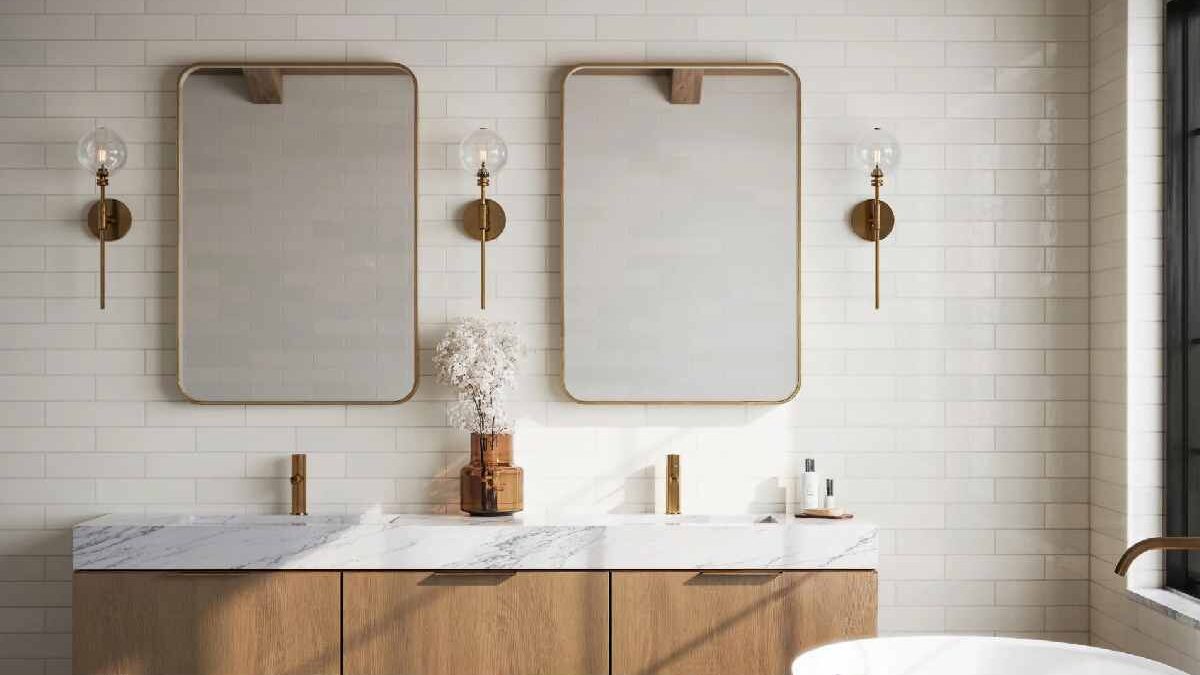
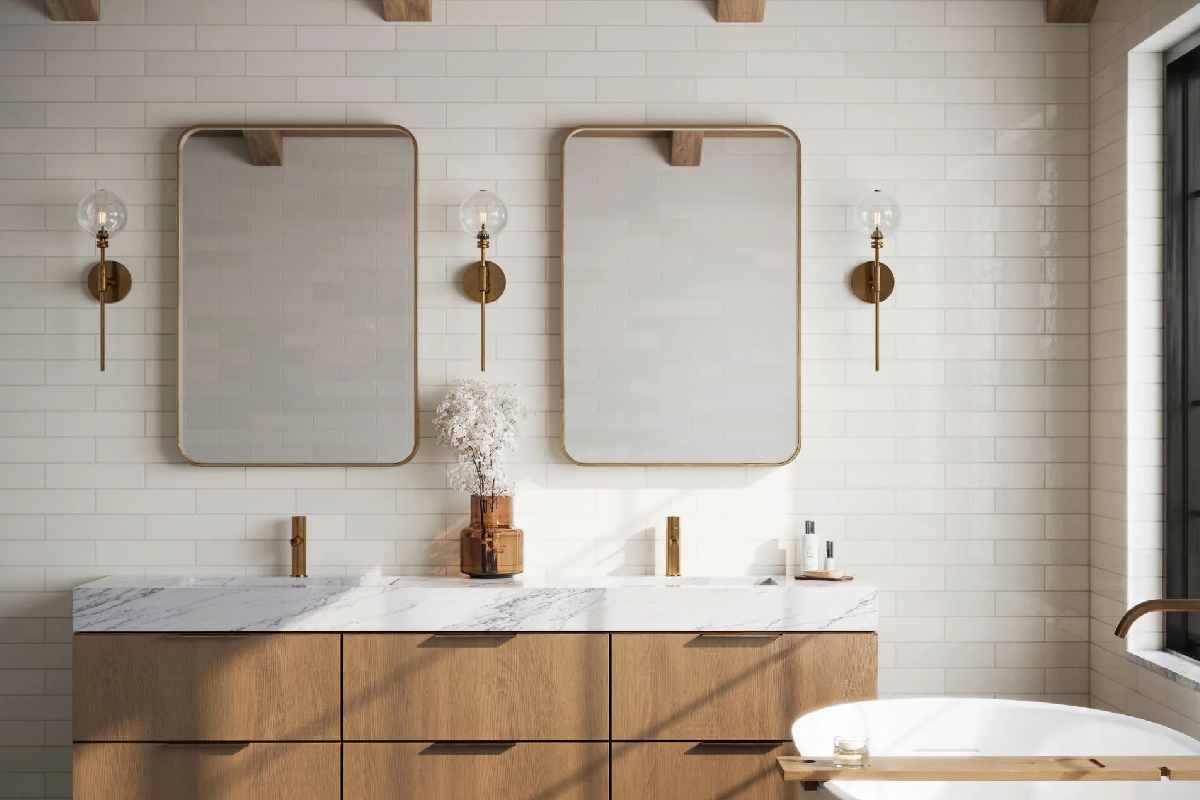
On the other hand, when tiles are installed horizontally, the layout takes place horizontally when the tiles run side to side. This classic layout has remained fashionable and popular when installed not only on floors but also when doing the backsplash.
For additional guidance on choosing between vertical and horizontal tile layouts, you can also refer to this tile layout guide.
Benefits of Vertical Tile Layout
Opting for vertical tile provides several distinct advantages that cater to modern design trends and specific spatial needs. These include:
Enhances Vertical Space
When the tiles are laid vertically this forms a visual line that is upward-ascending therefore making the eyes appear longer thus giving an effect of height. Using the example of low ceilings, then with the installation of tiles on the walls, the vertical way may be useful in providing a broader aspect of a small bathroom or kitchen. In addition, vertical installation can help you tap into its full potential by lengthening walls in small kitchens or bathrooms.
Modern Aesthetic
Vertical tiles are associated with modern design and provide you with a clean and minimalist appearance. This type of design has become fashionable in recent years, particularly when you choose to use a vertical shower tile in bathrooms so that you can convert your shower into a focal point.
Ideal for Feature Walls
The tiles can also create a feature wall to the living room or a door or even a back splash in a kitchen. A feature wall is created in such a manner that it gives prominence to a specific part of a house and it provides theatrical appearance on the interior interior of a house.
Advantages of Horizontal Tile Layout
The horizontal tile layout has long been a popular choice in home design, and for good reason. Below are the advantages of horizontal tile:
Creates a Wider Appearance
Unlike vertical tiles, horizontal tiles have the ability to make a room seem wider because they draw the eye horizontally as well as upwards. This can be especially useful in narrow rooms or hallways because the intention of using tiles in this manner is to widen the room through optical illusion.
Classic and Traditional Look
But in case you are planning to create something traditional and vintage, then horizontal tiles are the best choice. Actually, this design is ideal to individuals who desire a traditional design in their bathrooms and kitchens. A tile which is laid horizontally would be very helpful when it comes to backsplashes, walls and floor designs in kitchen and bathrooms.
Ease of Installation
Horizontal installation of tiles is usually easier compared to vertical installation. This conventional technique is more familiar to most tiling professionals and could be easier to install and could also be cheaper.
Room-Specific Considerations
To determine vertical and horizontal tile layouts, it is also important to take into consideration the room where the tiles will be installed. Several rooms are associated with different design needs and issues.
Here’s what you need to know:
Bathrooms
The use of tiles in a vertical manner in smaller bathrooms may be referred to as magical in the sense that the ceilings are made to seem taller and the bathroom becomes larger. This is particularly true in the case of the shower area where the tiles have been applied vertically thus emphasizing the increased features of the shower enclosure. Tiles applied horizontally in larger bathrooms may be the ideal choice in order to create an illusion of width.
Kitchens
The kitchen may be covered with both vertical and horizontal tiles, however, the outcome will depend on the room layout. An example of this is the decision to use a horizontal tile as a backsplash to provide the same appearance and that may offset the impact of the countertop width. Another option is that vertical tiles would be used to bring some drama in an otherwise minimalistic kitchen, which suits those who would wish to escape the style rut.
Living Rooms and Entryways
Vertical tiles are also suitable in areas where the owner wants to establish a center. The living room has a vertical feature wall and this gives it very spectacular look which immediately catches your eye. Horizontal tiles offer a more subtle appearance, and this can be requested of the rooms that require subtlety.
Selecting the appropriate Tile Orientation of your House
It is all a matter of taste after all and what your room needs in terms of specifications. There are a few important things to consider when it comes to the choice on the best direction that you should have the tiles placed on your house, these are as follows:
Room size: In small rooms, vertical layout of tiles is good as it creates illusion of size. A horizontal tiling design would be more useful in producing the illusion of balance in the bigger rooms.
Style Choices: Vertical tile styles may well be the best choice if yours tends to be more modern and bold in architecture or style. In the case of traditional or classic styles, horizontal tilers would prove more compatible to complement your style.
Budget/Installation: Because of the simple design, installing the horizontal tiles would likely be easier compared to the vertical tiles. Vertical tiles would likely be more time-consuming to install.
Based on these considerations, you can determine which orientation is best suited to your tiles.
Vertical Tile vs. Horizontal Tile: Functional Comparison
| FactorVertical TileHorizontal Tile | ||
|---|---|---|
| Ceiling Height Illusion | Strong enhancement | Minimal |
| Room Width Perception | Neutral | Strong enhancement |
| Modern Aesthetic | High | Moderate |
| Traditional Look | Low | High |
| Maintenance Visibility | Less grout focus | Grout lines more visible |
| Installation Complexity | Moderate–High | Low–Moderate |
Floor Tile Patterns
Floor tile patterns influence traffic flow, durability perception, and cleanliness visibility.
Common Floor Tile Patterns by Orientation
| PatternOrientationBest For | ||
|---|---|---|
| Straight Lay | Horizontal | Small rooms |
| Vertical Stack | Vertical | Narrow spaces |
| Herringbone | Diagonal/Vertical | High-end interiors |
| Brick Pattern | Horizontal offset | Traditional homes |
| Chevron | Directional | Luxury design |
When Designers Recommend Vertical vs Horizontal Tiles
Choose Vertical Tiles When:
- Ceiling height is below standard
- Creating feature or accent walls
- Designing modern or minimalist spaces
- Using elongated tiles
Choose Horizontal Tiles When:
- Room width feels restricted
- Designing floors and wet areas
- Seeking timeless aesthetics
- Using square or large-format tiles
Final Thoughts
Vertical, horizontal layouts of tiles are both beneficial and the choice lies with your needs in the home. Vertical tiles are able to increase the height and provide a contemporary touch whereas horizontal tiles are versatile and can be used in any space. With these above-mentioned pieces of information in mind, you are sure to select the most appropriate tile orientation in the best way you can fit it in your house.