
Last Updated: October 13, 2026
Table of Contents
Is TPLO Surgery Worth it
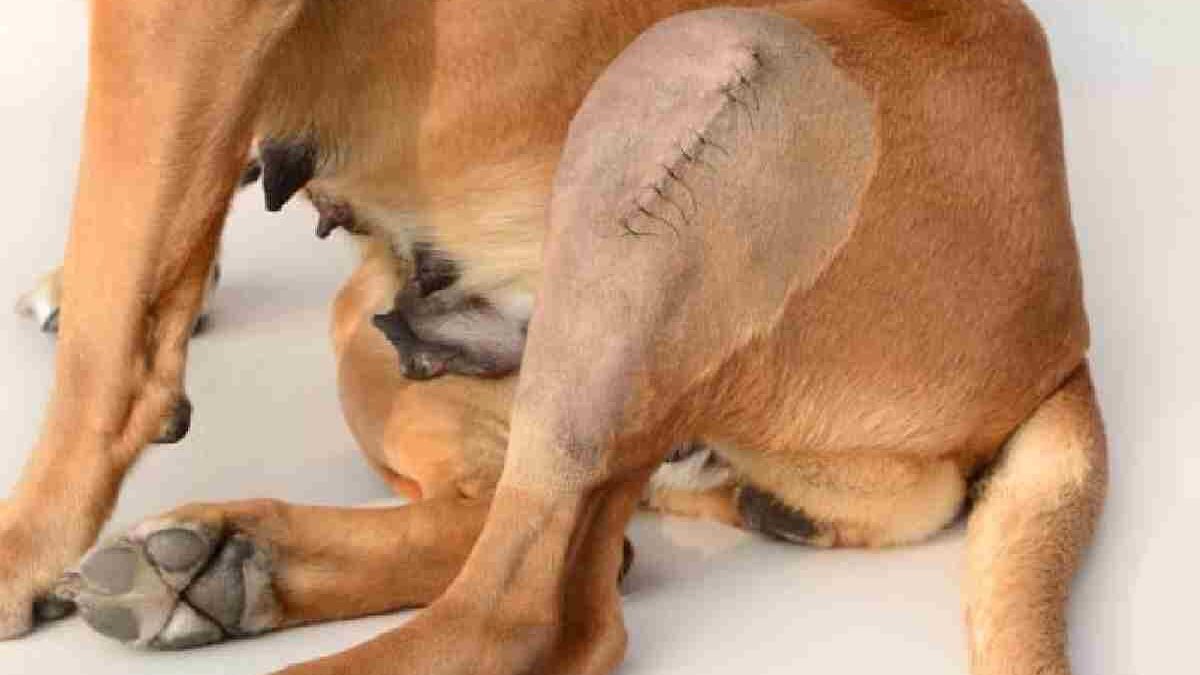
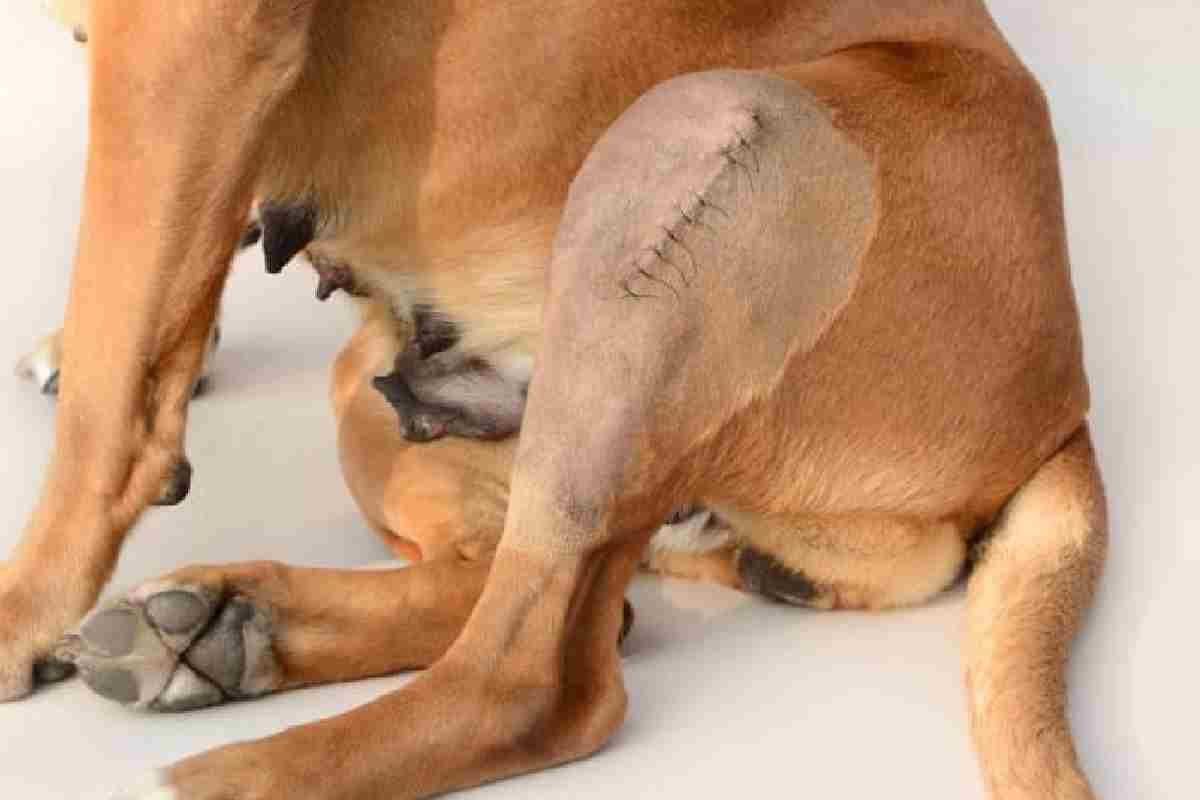
To dog owners that have been presented with a diagnosis of a dog with a cranial cruciate ligament (CCL) tear, TPLO surgery usually makes it to the list of possible solutions. Although there is a well-documented success of the surgery as such, there is a question as to what the future of your pup will hold as the long-run.
This blog finds out the long-term results of TPLO surgery and enables you to know the expectations of your dog in the path of recovery and a good life. Let us take a look at how dogs recover from it and is TPLO surgery worth it.
This article belongs to Pets & Rural Life
TPLO Surgery for Dogs
TPLO surgery for dogs is primarily recommended for medium to large breeds, athletic dogs, and pets with complete CCL rupture.
Ideal Candidates Based on Research
- Dogs over 15–20 kg (33–44 lbs)
- Active or working dogs
- Dogs with steep tibial plateau angles
- Pets with bilateral CCL disease risk
Recovery Timeline (Research-Based)
| Recovery PhaseTimeframeExpected Progress | ||
|---|---|---|
| Immediate Post-Op | 1–2 weeks | Pain control, limited movement |
| Early Healing | 4–6 weeks | Partial weight bearing |
| Bone Healing | 8–12 weeks | Increased mobility |
| Full Recovery | 4–6 months | Return to normal activity |
The Good News Regarding Movement
Watching your dog wriggle is a difficult thing to see. The jumps and bounds that one does carefree might appear to be a thing of a long gone past after a rupture in a CCL. The fact is that it is a great chance to restore the mobility and enable your dog to continue playing with TPLO surgery!
High Success Rates
It has been shown that approximately 90 percent of dogs exhibit improvement in the functioning of the limbs after TPLO surgery. This means that they can move more easily and securely and they also limp very much less.
Faster Recovery and Fun
TPLO surgery has been found to accelerate the weight bearing as compared to other methods and hence your dog is able to be released into physical activity earlier and they become involved in their favorite activities such as playing and walking.
Happiness
According to the testimony of pet owners, the overall quality of life of dogs has improved significantly, since even the elderly and once inactive dogs gain walking skills and become curious and active again, experiencing adventure.
Cost vs Value: Is TPLO Surgery Worth the Investment?
TPLO is more expensive than other options, but research favors evaluating long-term value rather than upfront cost.
| Cost ConsiderationShort-TermLong-Term | ||
|---|---|---|
| Surgery Cost | High | One-time |
| Rehabilitation | Moderate | Temporary |
| Chronic Pain Treatment | Low | Eliminated or Reduced |
| Repeat Surgeries | Rare | Minimal |
The Long-term Effects
TPLO surgery alters mechanisms of the knee joint. This may ultimately lead to arthritis that is painful joint condition. It is not necessarily, though it should be taken into consideration especially in the case of older pets.
Chances for Arthritis
Knee joint mechanics are changed after TPLO surgery. This could eventually cause arthritis, which is a painful joint condition. It’s not a given, but it’s something to consider, particularly for senior pets.
Managing Pain
Some dogs might still experience pain after the surgery particularly when they become older. It is possible that medication or physical therapy is required to keep them moving around and comfortable in this case.
Implant Problems
There is a slight chance that the implants used in TPLO surgery will cause issues. These may include infection or implant loosening. Getting regular checks from your veterinarian will help keep an eye out for any possible problems.
Concerned about your dog’s CCL rupture? Download our free guide on TPLO surgery and recovery!
Frequently Asked Questions
Still looking for more info? We’ve compiled a list of FAQs – check them out!
Q.1 Will my dog experience pain after TPLO surgery?
Some dogs are more likely to experience pain in the future, and they may require medical assistance.
Q.2 Does TPLO surgery cause arthritis?
TPLO modifies joint mechanics, which may eventually result in the development of arthritis.
Q.3 How successful is TPLO surgery?
According to studies, 90% of dogs who have TPLO surgery recover normal limb function.
For additional veterinary information on cranial cruciate ligament disease in dogs, see VCA’s veterinary guidance.

Afiya Jafar
Afiya Jafar is a lifestyle and home living writer at Country Living Blog who focuses on simple, practical and comfortable approaches to everyday living. Her content covers home improvement, gardening, interior ideas, décor, household organisation and lifestyle topics.
View Author Profile →
Sameena Begum
Sameena Begum is a lifestyle, home and digital content reviewer who reviews selected Country Living Blog articles for clarity, organisation, consistency and reader usefulness.
View Reviewer Profile →