
Last Updated: March 11, 2026
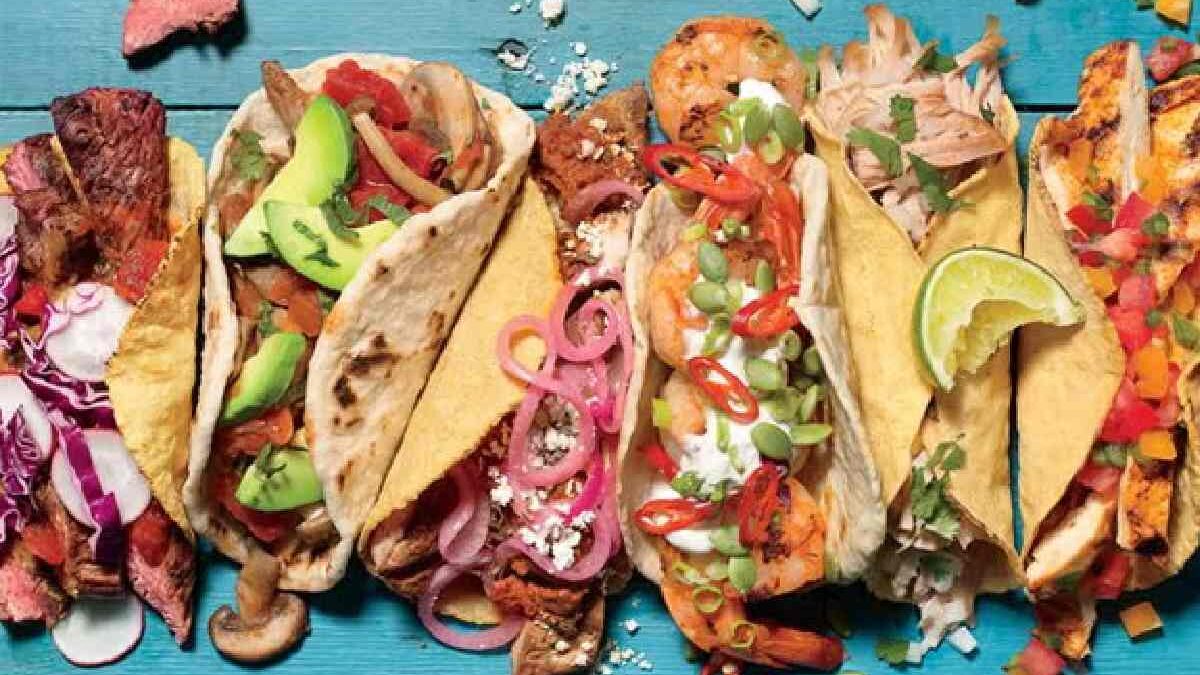
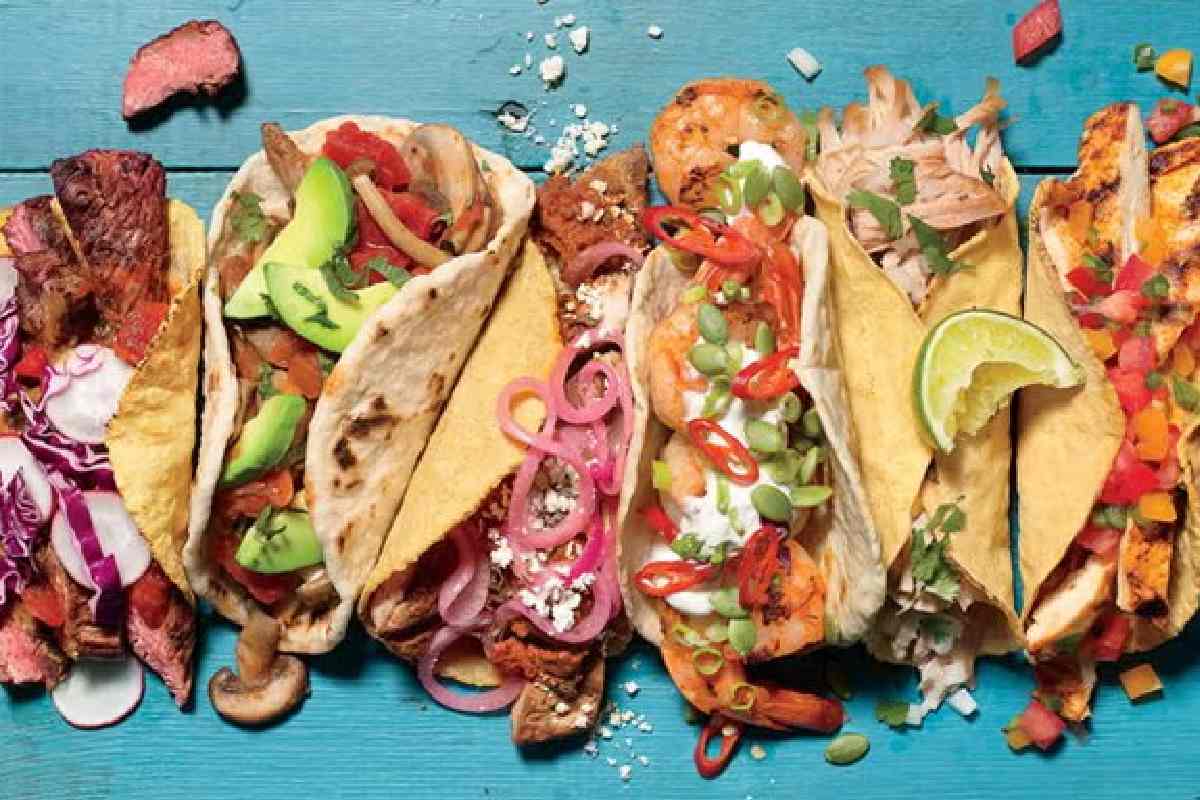
Tacos are popular throughout the world. There are big numbers of flavors, fillings, and styles in which some of the tacos can be considered the most delicious ones. Such tacos are not only delicious, but they remain prepared with the most suitable combination of ingredients that leaves your taste buds with an unbelievable experience.
Table of Contents
About Tacos
Tacos are one of the most popular and flavorful dishes from Mexico. This iconic food is made by folding or rolling a soft or crispy tortilla around a variety of fillings such as meat, vegetables, cheese, beans, and sauces. Tacos are loved worldwide because they are versatile, easy to prepare, and packed with delicious flavors.
Traditionally, tacos use corn or wheat tortillas filled with ingredients like grilled beef, chicken, pork, seafood, or vegetarian options. They are often topped with fresh additions such as lettuce, onions, tomatoes, salsa, avocado, and cheese, creating a perfect balance of taste and texture.
Tacos originated as a street food in Mexico, where vendors served them fresh and affordable to workers and travelers. Over time, tacos became famous globally and are now commonly found in restaurants, food trucks, and home kitchens around the world.
The History and Cultural Origins of Tacos
| Time Period | Location | Historical Development | Cultural Significance |
| Pre-Columbian Era | Mexico | Indigenous peoples used corn tortillas to wrap fish, beans, and vegetables. | Early foundation of taco-style foods using maize tortillas. |
| 18th Century | Mexican silver mining regions | The term “taco” was used to describe small explosives used by miners, later applied to wrapped food. | Name became associated with portable food eaten by workers. |
| 19th Century | Mexican towns and markets | Tacos became a common street food sold by local vendors. | Symbol of everyday Mexican cuisine and affordable meals. |
| Early 20th Century | United States | Mexican immigrants introduced tacos to American cities. | Tacos began spreading internationally. |
| Late 20th Century | Global | Restaurants and fast-food chains popularized tacos worldwide. | Became a global street food and restaurant favorite. |
| Present Day | Worldwide | Modern tacos include many variations such as seafood, vegetarian, and fusion styles. | Represents Mexican culinary heritage and global food culture. |
Types of Tortillas Used in Delicious Tacos
Tortilla is one of the most significant ingredients of tacos. The tortilla is the base that binds the ingredients together and provides its flavor and texture.
Corn Tortillas
The classic choice in the Mexican tacos is corn tortillas. They are prepared using masa harina, which is the dough made of corn that is lime treated in a process known as nixtamalization. Corn tortillas are a bit earthy with a taste and tend to be smaller in size compared to the flour tortillas.
Typical price range:
- Mexico street markets: $0.10 – $0.25 per tortilla
- Grocery stores internationally: $2 – $4 per pack
Flour Tortillas

In the United States, flour tortillas are widespread in the north of Mexico. They are not as hard and are more pliable than corn tortillas and thus can fit bigger tacos or burritos.
Typical price range:
- Pack of flour tortillas: $3 – $5
- Restaurant taco using flour tortilla: $3 – $6 per taco
Hard Shell Tacos
Hard shell tacos are largely used in American type of Mexican food. These are crispy shells, which are normally fried corn tortillas in shape of a taco.
Typical price range:
- Grocery taco shell pack: $2 – $4
- Restaurant hard shell taco: $2 – $4 each
Popular Taco Fillings Around the World
The filling is what defines the personality of a taco. Different regions have developed their own famous varieties.
Carne Asada
Carne asada tacos contain grilled marinated beef, usually flank or skirt steak. The meat chop and served with onions, cilantro, and lime.
Average price:
- Mexico street taco: $1 – $2
- U.S. restaurant taco: $3 – $6
Al Pastor
Grilled pork, Al pastor tacos, remain cooked on a spit that is placed vertically, a technique of middle eastern shawarma. The meat is commonly served with cilantro, onion and pineapple.
Average price:
- Mexico street taco: $1 – $1.50
- International restaurants: $3 – $5
Barbacoa
Barbacoa is traditionally slow-cooked meat, often beef or lamb, prepared in underground pits or slow braised for hours. It results in extremely tender meat.
Average price:
- Mexican market taco: $1.50 – $2
- Restaurant taco: $4 – $7
Carnitas
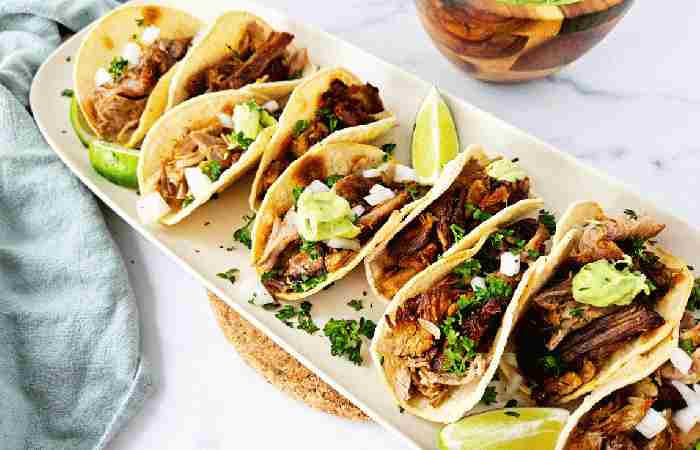
The name Carnitas refers to small meats in Spanish. It is a slow-roasted, fat braised pork that becomes crispy at the outside and tender at the inside.
Average price:
- Mexico street taco: $1 – $2
- Restaurant taco: $3 – $6
Seafood Tacos: Coastal Mexican Specialties
In coastal regions of Mexico, seafood tacos are extremely popular.
Baja Fish Tacos
They are made in the state of Baja California, they are made of battered fried white fish with cabbage slaw and creamy sauce.
Average price:
- Mexico beach stalls: $2 – $3
- International seafood restaurants: $5 – $9
Shrimp Tacos
Shrimp tacos or shrimp fritters remain usually served using avocado, lime crema, as well as a fresh salsa and grilled or fried shrimp.
Average price:
- Street vendors: $2 – $3
- Restaurants: $6 – $10
Tacos made of seafood are particularly popular as they are a light, though tasty, alternative to the tacos made of meat.
Vegetarian and Plant-Based Taco Innovations
Dietary habits trend in all parts of the world and vegan and vegetarian tacos have become very popular.
Popular Plant-Based Fillings
Roasted cauliflower tacos
Grilled mushroom tacos
Jackfruit carnitas tacos
Black bean tacos
Sweet potato tacos
These fillings mimic the texture and flavor depth of traditional meats while offering healthier or environmentally friendly options.
Average price:
- Vegetarian taco (street vendor): $2 – $3
- Restaurant vegan taco: $4 – $8
Many restaurants now specialize entirely in plant-based tacos, demonstrating how flexible the dish can be.
Regional Taco Styles Across Mexico
Mexico has many regional taco styles that highlight local ingredients and traditions.
| Taco Style | Region | Main Ingredients | Description | Average Price* |
| Tacos al Pastor | Central Mexico / Mexico City | Marinated pork, pineapple, onion, cilantro | One of the most famous tacos, cooked on a vertical spit and served with sweet pineapple. | 15–25 MXN ($0.80–$1.30) |
| Barbacoa Taco | Hidalgo & Central Mexico | Slow-cooked lamb or goat | Meat is traditionally cooked in underground pits, giving a tender texture and smoky flavor. | 25–45 MXN ($1.30–$2.40) |
| Carnitas Taco | Michoacán | Slow-braised pork | Pork is simmered in its own fat until crispy and juicy. | 20–40 MXN ($1–$2) |
| Birria Taco | Jalisco | Spiced goat or beef stew | A rich, spicy taco often served with consommé for dipping. | 25–50 MXN ($1.30–$2.70) |
| Fish Taco | Baja California | Fried or grilled fish, cabbage, sauce | Coastal specialty with seafood, crunchy cabbage, and creamy sauces. | 30–60 MXN ($1.60–$3.20) |
| Cochinita Pibil Taco | Yucatán Peninsula | Slow-roasted pork, achiote, pickled onion | Pork marinated in citrus and spices, wrapped in banana leaves and roasted. | 20–40 MXN ($1–$2.10) |
| Carne Asada Taco | Northern Mexico | Grilled beef, onions, salsa | Simple grilled beef taco popular in northern states and border regions. | 20–35 MXN ($1–$1.80) |
The Essential Taco Toppings and Salsas
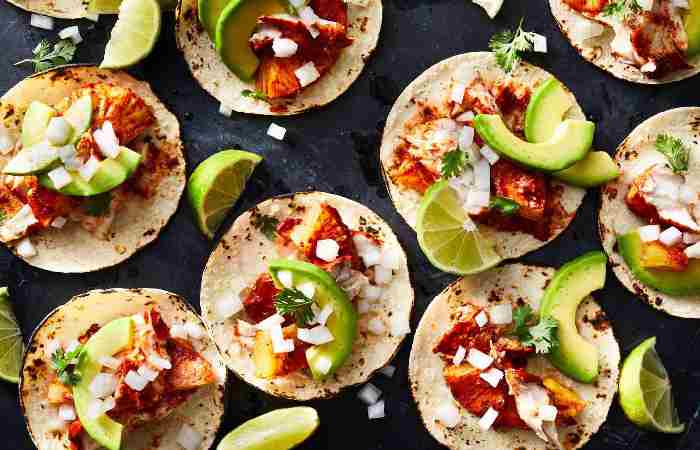
The final component of a taco is toppings that add flavors to the filling.
| Topping / Salsa | Description | Flavor Profile | Common Use |
| Salsa Roja | Red salsa made from tomatoes, chili peppers, garlic, and spices. | Spicy and tangy | Traditional topping for meat tacos |
| Salsa Verde | Green salsa made with tomatillos, green chilies, and cilantro. | Fresh and mildly spicy | Popular with chicken or pork tacos |
| Guacamole | Creamy mixture of mashed avocados, lime, onion, and cilantro. | Rich and creamy | Adds smooth texture to tacos |
| Shredded Lettuce | Fresh chopped lettuce used as a topping. | Crisp and mild | Adds crunch and freshness |
| Pico de Gallo | Fresh salsa made with diced tomatoes, onions, cilantro, and lime. | Fresh and slightly tangy | Classic topping for many taco varieties |
| Sour Cream | Thick dairy topping that adds creaminess. | Mild and creamy | Balances spicy flavors |
| Cheddar Cheese | Shredded cheese often sprinkled on tacos. | Savory and slightly sharp | Common in Tex-Mex tacos |
| Pickled Jalapeños | Sliced jalapeño peppers preserved in vinegar. | Spicy and tangy | Adds heat and flavor |
Nutritional Value of Tacos
Tacos are both healthy and luxurious depending on their composition.
| Nutrient | Approximate Amount (Per 1 Taco) | Health Benefit |
| Calories | 150–250 kcal | Provides energy for daily activities |
| Protein | 7–12 g | Helps build and repair body tissues |
| Carbohydrates | 15–20 g | Main source of energy |
| Fat | 6–12 g | Supports cell function and nutrient absorption |
| Fiber | 2–4 g | Aids digestion and supports gut health |
| Calcium | 60–100 mg | Helps strengthen bones and teeth |
| Iron | 1–2 mg | Supports red blood cell production |
| Sodium | 250–400 mg | Helps regulate body fluids (should be consumed in moderation) |
Taco Festivals and Global Taco Culture
The worldwide celebrations of Tacos remain performed in food festivals and festivals.
Major taco-related celebrations include:
National Taco Day (October 4 in the United States)
Mexico City Taco Festival
San Diego Taco & Beer Festival
Texas Taco Festival
These events feature hundreds of taco vendors, cooking contests and innovative taco recipes. Taco festivals emphasize how the meal has remain transformed into an international food phenomenon out of the simple street food.
Global Taco Market and Industry
Within the last twenty years, the taco business has experienced a massive growth.
| Aspect | Details |
| Market Size | The global packaged Tacos market was valued at about USD 5.54 billion in 2023. |
| Market Forecast | The market is projected to reach around USD 10.35 billion by 2033, growing steadily worldwide. |
| Growth Rate | Expected compound annual growth rate (CAGR) of about 6–6.45% between 2023 and 2033. |
| Key Market Drivers | Increasing popularity of Mexican cuisine, demand for convenient foods, and busy lifestyles driving ready-to-eat meals. |
| Major Regions | North America dominates the market, followed by Europe and Asia-Pacific which is growing rapidly. |
| Popular Product Types | Soft tacos, hard shell tacos, taco kits, frozen tacos, and ready-to-eat taco meals. |
| Distribution Channels | Supermarkets, convenience stores, restaurants, food trucks, and online food delivery platforms. |
| Key Industry Companies | Chipotle Mexican Grill, Yum! Brands (owner of Taco Bell), Grupo Bimbo, and Gruma. (DataM Intelligence) |
| Emerging Trends | Plant-based tacos, organic ingredients, sustainable packaging, and online food ordering growth. |
Exploring the Most Delicious Tacos Around the World
Traditional Mexican Tacos
The place of origin of the tacos is Mexico and it remain here the delicious tacosremain prepared. The Mexican street food is known to be of fresh and delicious ingredients. Meats like slow-cooked carnitas or tender barbacoa are accompanied with fresh herbs, salsas and a squeeze of lime. These tacos are edible and represent the culture of the Mexican cuisine.
Fusion Tacos: Mixing Flavors

Tacos remain not considered traditional only, but they may be inventive. Fusion tacos are a combination of cultures. Duly, as an example, the Korean bulgogi can remain filled up into a taco shell and it has a sweet and savoury flavour. These varieties of tacos are adventurous and novel, and yet tasting good.
Tasty Varieties
Tacos come in many types. Tacos are light and tasty and they remain prepared using fish with fresh slaw and zesty sauces on top. Cauliflower or jackfruit which remain roasted ahead of time can remain used as vegetarian and vegan tacos, and everyone loves them. There is a taco to you no matter what you want.
The Secret to Delicious Tacos
The greatest thing about tacos is not only the kind of preparation that is done but also the quality of the preparation. The tacos are made out of newly-cooked tortillas, meat that remain spiced properly, and great toppings that would make it difficult to resist. The mastery of the cook remain added to the taste, and the pleasure.
Tacos Around the World
Tacos are popular worldwide. They remain sold by street vendors and even in fancy restaurants remain made in a gourmet version using high-quality ingredients. Each region has its own versions such as the Texas-style brisket tacos or Jamican jerk chicken tacos each having a distinct taste.
Popular Tacos in India
Although tacos are originally from Mexico, they have become popular in India with local flavors and ingredients. Many restaurants and food chains offer Indian-style tacos that combine Mexican cooking with Indian spices.
| Taco Type | Main Ingredients | Description | Approx Price (INR) |
| Paneer Taco | Paneer, lettuce, salsa, cheese | A vegetarian taco filled with spiced paneer cubes and fresh toppings. | ₹120 – ₹200 |
| Chicken Taco | Grilled chicken, lettuce, sauce | Popular taco with seasoned chicken and creamy sauces. | ₹150 – ₹250 |
| Veggie Taco | Mixed vegetables, beans, cheese | A healthy taco filled with grilled vegetables and sauces. | ₹100 – ₹180 |
| Tandoori Chicken Taco | Tandoori chicken, onions, yogurt sauce | Mexican taco with Indian tandoori flavor. | ₹180 – ₹280 |
| Spicy Aloo Taco | Spiced potatoes, onions, chutney | Indian street-style taco using masala potatoes. | ₹90 – ₹150 |
| Fish Taco | Fried fish, cabbage, sauce | Coastal style taco served with crunchy vegetables. | ₹180 – ₹300 |
Conclusion
Tacos are not merely a good culinary dish, they are also a culture, a tradition and an ingenuity. They combine classic dishes and new ideas and each bite becomes a tasty adventure. Thus have one taco and experience the delicacies and appreciate the workmanship that remain evident in the way these mouth-watering delicacies are made.