
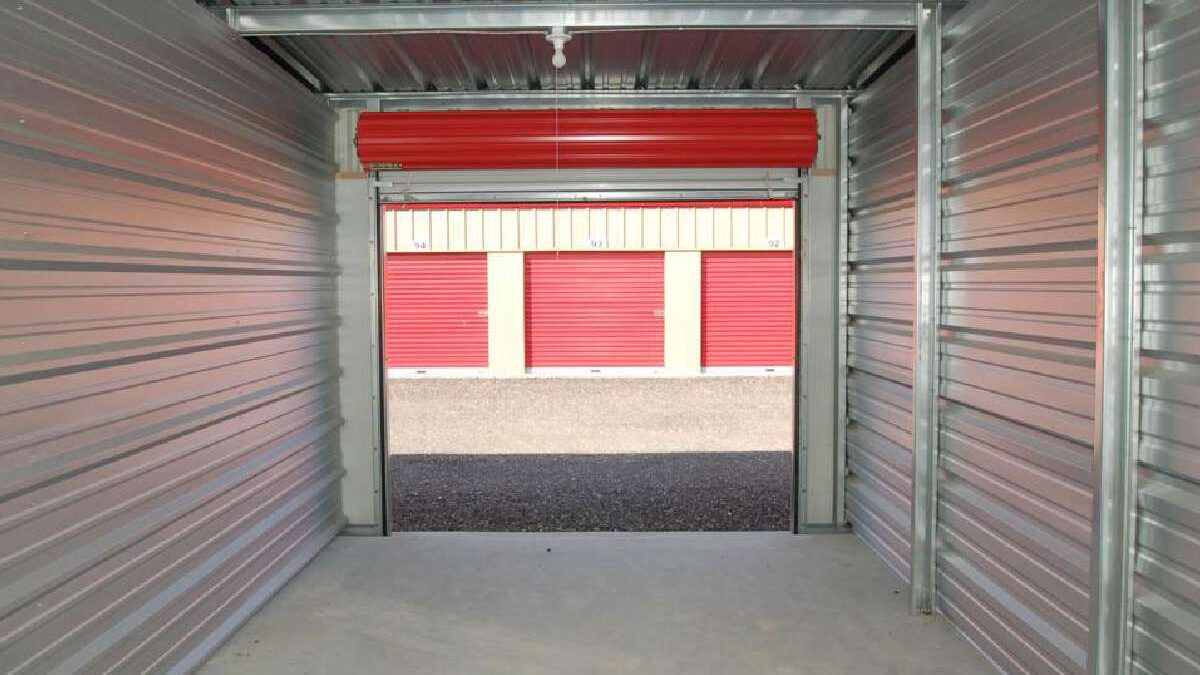
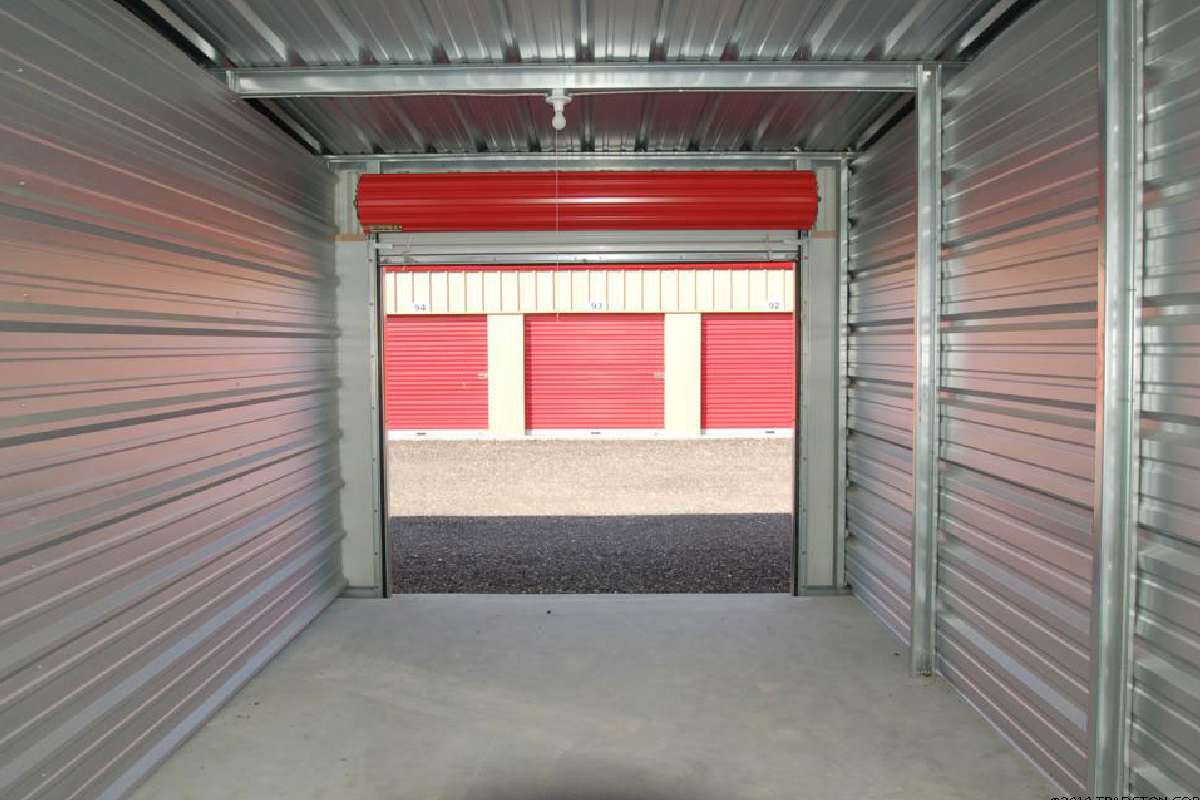
Steel Storage Units
Keeping a farm running efficiently means you have to deal with a constant influx of machinery, tools, and the products of the land. Besides, tractors, plows, sprayers, and combines require a dry and safe shelter while they are off the field. At the same time, bags of grain, boxes of vegetables, and bales of hay have to be figured out if you want to cut down on the wastage and deliver on time. A well-designed steel shed can take all this off your hands. By blending power, versatility, and a clever plan, steel storage can transform your messy yard into a neat and well-organized farm hub that is easy to run.
Farmers have increasingly turned to steel sheds as their solution to numerous problems. They are durable against extreme weather, easy to take care of, and you can modify them as your farm expands. What is more, they enable you to have the correct places for the equipment and the harvest at the right time. The result is less embracement of the equipment, less downtime, and more hours of productive work rather than tool finding and space clearing.
Table of Contents
Why Steel Sheds Beat Old Barns?
Traditional wooden barns have their lovable side, but they are not always feasible for present-day farming. Wood is susceptible to decay, insects, and deforming, particularly when it is placed on wet ground or exposed to heavy rain continuously. Though repainting and repairing can slow down the process, they do not stop it entirely. In the long run, the doors become hard to open, the boards get weak and holes appear where rodents and birds get in to spoil grain or wiring.
On the other hand, steel sheds take care of these problems in a totally different way. The steel used for frame and cover is water-resistant, and the metal does not bleach like wood. Rust is minimized through galvanized layers and modern paints, thus, the building can last quite a few years of storms, sun, and temperature changes. Besides, steel frames are also more robust and thus, can cover large areas without the need for the support columns which in turn give you more free space to park your tractor or combine.
Key Material Characteristics
| Property | Value/Range | Impact on Storage Performance |
|---|---|---|
| Tensile Strength | 250–550 MPa (varies by grade) | High load-bearing capacity |
| Yield Strength | 150–350 MPa | Resistance to permanent deformation |
| Corrosion Resistance | Enhanced with coatings (galvanized/paint) | Longer life in harsh climates |
| Hardness (HB) | 120–180 | Scratch & wear resistance |
| Thermal Expansion | ~12 × 10−6 /°C | Predictable structural behavior |
There is another benefit to this and that is the precision. A steel shed normally has specifications for wind and snow load. When you are aware of the limitations of your building, you can make plans for its use in the far future with certainty instead of being anxious whether the coming storm will damage it. Taken together with fewer pests and less money spent on repairs, the entire life cost of a steel shed is more likely to be lower than that of a less attractive wooden alternative.
Designing a Shed for Farm Equipment
First of all, when figuring out a steel shed for the sake of your farm tools, it is beneficial to make an inventory. List every major instrument: tractors, loaders, seed drills, sprayers, balers, combine harvesters, and any trailers you use on a regular basis. Also, record their lengths, widths, and heights then draw a diagram how they could be parked side by side or one after another. Doing so will in no time shows you the exact size of the space that you will require and what kind of traffic flow will be suitable.
A majority of farms can make good use of a straightforward and understandable plan. Large roller or sliding doors at the gable ends are perfect for drive-through parking, especially for long tools. In case you frequently attach and detach equipment, it is a good idea to leave some additional room around the hitch points for ease and convenience. Tall eaves and open spaces inside not only facilitate raising cabs, tilting trailers but also ensure safety when working on top of machines, in case it is necessary.
Choosing the right floor is the other big decision you have to make. Concrete will cost you more initially, but it guarantees a firm, flat area for lifts and repair works. In addition, it will make cleaning grain, dust, and oil spills a lot simpler. On the other hand, compacted gravel is a more affordable option and it still does the job quite well for basic storage, especially if you have concrete pads where the most heavily loaded wheels rest. Proper drainage around the shed will not only keep the floor dry but also extend the lifespan of both the building and the machines.
Standard Types of Steel Storage Units
| Type | Typical Use Case | Structural Feature |
|---|---|---|
| Steel Shelving Units | Warehouses, Retail Backs | Adjustable shelves, load-rated |
| Steel Racks (Pallet) | Industrial storage systems | Heavy duty, high vertical load |
| Steel Lockers | Offices, Schools | Secure, compartmentalized |
| Steel Cabinets | Tools & Equipment | Lockable, enclosed |
| Rolling Steel Carts | Logistics, Assembly lines | Mobile storage solutions |
Using Steel Storage for Harvest Organization
Harvest period is usually the time when the level of a farm’s organization is revealed, whether it is good or bad. Quickly crates, sacks, and bins accumulate, and any items that do not have a definite place block doors or are left in the open. This is where an interior designed steel shed becomes your biggest helper. Rather than throwing the produce into any spot available, you can dispatch it through different zones.
One great method could be dividing the indoor space into at least three functional units. Near the door, it is a good idea to establish a “receiving” area where the products come from the field. This is the place where you can pile up fresh-from-the-field crates, remove the extra dirt, and sort out the damaged fruits and vegetables. After that, the zone taking over the storage of the goods ready for sale or further processing: pure grain bags on pallets, graded vegetables in the labeled crates, and bales stacked in the safe, stable formations. The third area can remain utilized for holding seed stock and long term reserves which you don’t want to be mixed with the outgoing products.
Good ventilation is very important when agricultural products are kept under a roof. The air vents on the ridge, louvers, and sidewall windows are the ways through which hot and humid air can get out. Also, fans can be employed to circulate air in tightly packed bags or boxes. In case your region has a humid climate, the presence of a space between the wall and the goods kept allows for better airflow and lessens the chances of mold and condensation damage. Simple things such as never placing produce directly on the ground and always on slatted pallets also help in preventing moisture from rising.
Performance & Durability Metrics (Industry Standards)
| Metric | Standard/Test | Ideal Result |
|---|---|---|
| Load Testing | ANSI MH16.1 / ISO 9001 | Meets rated load with <2% deformation |
| Corrosion Resistance | ASTM B117 Salt Spray Test | ≥ 500 hours for galvanized finish |
| Structural Stability | Seismic/Static Load Assessment | No significant displacement |
| Finish Quality | ISO 2409 Cross-Cut Test | Class 0–1 (no coating loss) |
Protection from Weather, Pests and Fire
One of the major points that farmers consider while moving to steel storage is the protection they can get from weather and other harmful agents that take away their profits silently. It is very clear that rain and snow are the main enemies of farm machines. Water, when a machine remain left out in the open, goes down the electrical systems, the hydraulic lines, and the bearings. This, in turn, results in a lot of breakdowns and expensive repair works. So, the resale value of the machinery remain also preserved if you keep the machines inside a steel shed.
Mice are equally as expensive, though their presence is less obvious. Rodents chew on wiring harnesses; pollute grain; and build nests in engines and air filters. Birds spot machinery and stored produce with their droppings; while insects mostly flourish in warm, dark corners. As steel sheds have tightly fitting panels and fewer gaps, they provide these creatures fewer points from where they can enter. Also, adding the right seals on doors and regularly checking for small holes will give you peace of mind that an infestation will not happen.
Fire security is one more vital factor to remain taken into account. Even though steel can suffer damage from very high temperatures, it is not capable of catching fire like wood. In a situation of a structure with metals, there are also fuels already present, lubricants, hay, packaging, and some expensive equipment; hence, it makes sense to take a step by lessening the number of combustible materials in the frame and cladding. Along with decent housekeeping, for example, putting fuel containers in a separate corner, installing basic extinguishers, and not allowing the place to remain cluttered, steel construction is making your safety level higher.
Steel Storage Containers
1. What Are Steel Storage Containers?
Steel storage containers are heavy-duty, weather-resistant, lockable units used for storage, transport, and staging of goods. They are commonly used for logistics, construction sites, disaster relief, and industrial storage.
2. Types of Steel Storage Containers
| Container Type | Typical Dimension | Primary Application |
|---|---|---|
| Standard Dry Container | 20ft / 40ft | General cargo storage |
| High-Cube Container | 40ft x 9.5ft height | Extra volume storage |
| Open-Top Container | Varies | Oversized/irregular cargo |
| Flat Rack Container | Varies | Heavy equipment |
| Refrigerated (Reefer) | 20ft / 40ft | Temperature-controlled goods |
3. Structural Characteristics
Walls & Floors
-
Corten Steel Panels: High tensile weathering steel with improved corrosion resistance
-
Reinforced Steel Beams: Provide rigidity and stackability
-
Plywood or Steel Flooring: Depends on container use and load type
Security Features
-
Multi-point locking systems
-
Welded steel corner castings
-
Tamper-resistant hinges
-
ISO standard lashing points
4. Performance & Engineering Standards
| Standard | Relevance |
|---|---|
| ISO 668 | Container classification & dimensions |
| ISO 1496 | Specification & testing for freight containers |
| CSC Plate Certification | Safety approval for intermodal transport |
| ASTM A572/A588 | High-strength structural steel grades |
Energy Efficiency and Helpful Add Ons
Most farmers these days want storage buildings that will not only keep off the rain but also do some other things. With a little bit of preparation, a steel shed can be a source of energy-efficient operation and decent working conditions. The insulated roof and wall panels help a lot with temperature changes, and that becomes very handy, for instance, when you store weather-sensitive crops, some chemicals, or electronic devices. The insulation also acts as a barrier to stop the moisture from turning the inner walls into condensate, thus keeping it dryer.
Installing new lighting is a simple—yet highly rewarding—means of improvement. Daylight can remain brought in through clear roofing panels or clerestory windows while the area still remains shielded. The following night LED lamps placed on the top of the rafters emit bright, energy-saving light, thus enhancing work safety, which is of utmost importance in the dark hours, and also the easy access to the needed tools. Besides that, many modern projects remain equipped with conduits or cable trays for the extension of the electrical circuits as the requirement for it increases.
The steel shed top can easily accommodate solar panels. In case your location receives ample sunlight, a small solar power system can provide lighting, ventilation, and workshop outlets with electricity, thus lowering your utility bills. Besides that, gutters and downpipes can collect rainwater and transport it to the tanks, thus the water can remain used for the irrigation of the gardens or for the livestock instead of drawing from the wells. These enhancements will not only make your existing storage facility more attractive but also a great way of supporting your farm operations.
Practical Organization Tips for Everyday Use
Even if you have the most perfect building, it will not maintain its tidiness unless appropriate habits remain practiced. Begin with zoning the inside: one space for heavy machinery, one for hand tools and maintenance, and one for harvest storage. Indicate these areas on the ground by using paint or tape so that everyone gets the idea of where the things belong. Make sure that the main traffic lanes remain left at least so that a tractor or a forklift can move without having to rearrange the whole shed.
Utilizing vertical space is very helpful. Shelving units, pallet racks, and wall-mounted pegboards give you the opportunity to store a huge number of things within a small area. Put the tools that you use most often in a place where they can remain easily seen and don’t stuff them in boxes. Employ transparent containers for small items such as bolts, bearings, and fittings, and make sure that each container has a label so that a helper can get what he needs without remained guided.
Rotating the items according to the season will be of great help in handling the problem of the piled-up stuff. During the time of sowing, have the seeders, planters, and the related tools near the doors; in the harvest period, move them further inside the shed and bring the harvest equipment forward. A very simple checklist on a notice board—daily sweep, weekly tidy of tool bench, and monthly review of unused items—will stop the mess from piling up. Hence, these small steps taken each day, week, or month over the time of one year can save you many hours that you would otherwise spend on searching and reshuffling.
Cost Breakdown
| Cost Component | Typical Share of Total Cost |
|---|---|
| Base Unit Price | 60–75% |
| Surface Treatment/Coating | 10–15% |
| Installation / Assembly | 5–10% |
| Delivery & Handling | 5–10% |
| Customization (shelves/locks) | 5–15% |
Bringing It All Together – Steel Storage Units
In present-day agriculture, a steel shed serves a lot of functions beyond just sheltering a tractor. It is a central space where equipment, harvest, and daily work all come together. Thus, by opting for a robust steel frame, tailoring the design to fit your machinery, and arranging the inside with distinct zones, ventilation, and savvy storage, you not only keep your investment safe but also make the hectic seasons far less stressful. A well-thought-out steel shed can be the key to more orderly and more profitable farming, be it that you operate a small homestead or a big enterprise.