
Last Updated: October 13, 2026
Shingle roofs on country homes have a hard life: wind, sun, snow, and tree debris all work together to wear them down. Knowing when you can safely patch a problem and when you need a full replacement protects both your house and your budget, especially in rural areas where contractors are scarce and call-out fees run high.
This article belongs to Home Maintenance
Table of Contents
Repair vs replacement: the big picture
A shingle roof is a system made up of the shingles themselves, the underlayment, flashing, ventilation, and the wooden decking underneath. Repair makes sense when the system is still generally healthy and only small areas are failing. Replacement becomes the better option when age, widespread damage, or structural issues mean that more and more leaks will appear no matter how often you patch. Understanding this difference is the foundation of every decision you make about your roof.
Asphalt Shingle Roof Lifecycle (Evidence-Based)
| Shingle TypeRated LifespanReal-World Average*Key Failure Triggers | |||
|---|---|---|---|
| 3-Tab Asphalt | 15–20 years | 12–17 years | UV degradation, wind uplift |
| Architectural (Dimensional) | 25–30 years | 18–25 years | Thermal cycling, granule loss |
| Premium / Impact-Resistant | 30–40 years | 25–35 years | Poor ventilation, flashing failure |
*Real-world lifespan is typically 15–30% shorter due to climate stress, installation quality, and attic ventilation.
Roof Repair
1. When Roof Repair Is Technically Justified
Roof repair is structurally sound and cost-effective when:
- Roof is under 10–12 years old
- Damage is localized and storm-related
- No recurring interior leaks
- Decking and underlayment remain intact
- Matching shingles are available
2. Common Roof Repair Types (Research-Based)
| Repair TypeTypical Cost RangeExpected Extension | ||
|---|---|---|
| Shingle Replacement | Low | 2–5 years |
| Flashing Repair | Low–Medium | 5–10 years |
| Vent Boot Replacement | Low | 5–8 years |
| Sealant / Minor Leak Fix | Low | 1–3 years |
| Ridge Cap Repair | Medium | 5–7 years |
Important Finding:
Sealant-only fixes account for a high percentage of repeat leak calls within 24 months.
3. Limitations of Roof Repair (Risk Analysis)
Technical Limitations
- Cannot restore lost granules
- Does not reverse shingle brittleness
- Often mismatched aesthetics
- Limited warranty (labor-only)
Risk Escalation
- Small leaks can cause hidden deck rot
- Moisture migration reduces insulation R-value
- Mold growth may occur before visible damage
4. Repair vs Replacement Decision Threshold (Professional Guideline)
| IndicatorAction | |
|---|---|
| Roof age >75% of rated lifespan | Replace |
| 2+ leak zones in different slopes | Replace |
| Deck moisture content elevated | Replace |
| Repair cost >30% of replacement | Replace |
| Storm damage with insurance coverage | Replace |
Insurance Insight:
Many insurers favor replacement when damage affects multiple slopes, even if individual damage appears repairable.
5. Energy & Efficiency Impact
| AspectRepairReplacement | ||
|---|---|---|
| Heat Loss Reduction | Minimal | Significant |
| Ventilation Upgrade | No | Yes |
| Reflective Shingle Options | No | Yes |
| Cooling Cost Reduction | None | 10–20% possible |
DIY assessment you can do from the ground
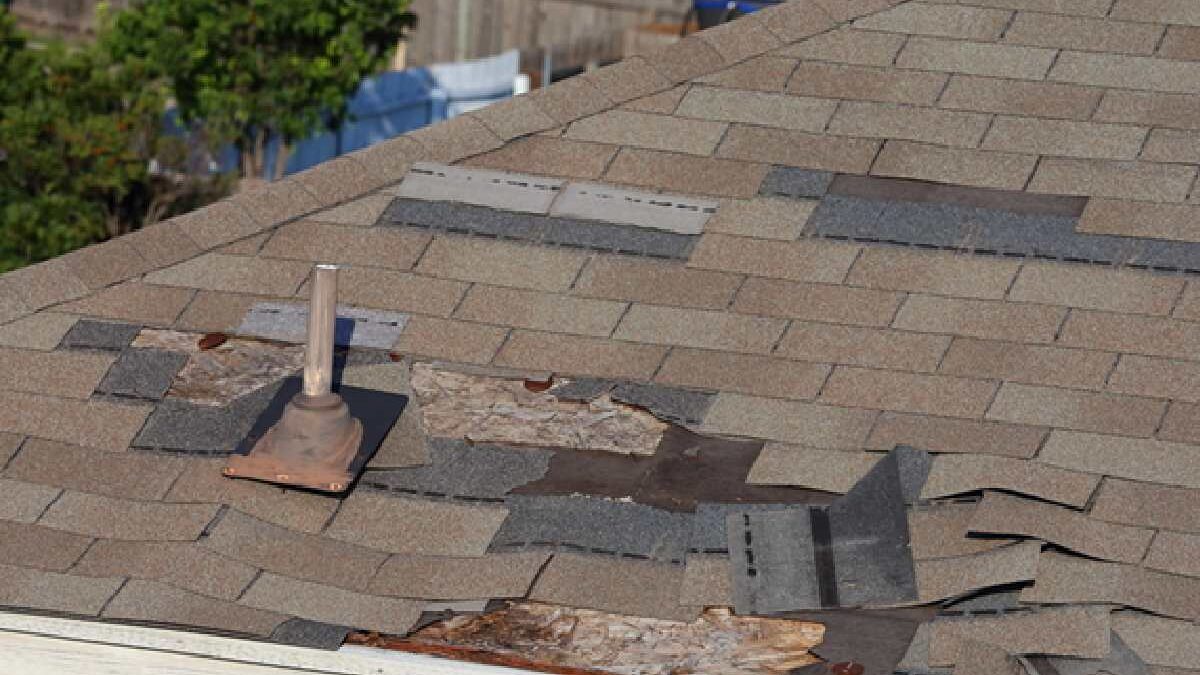
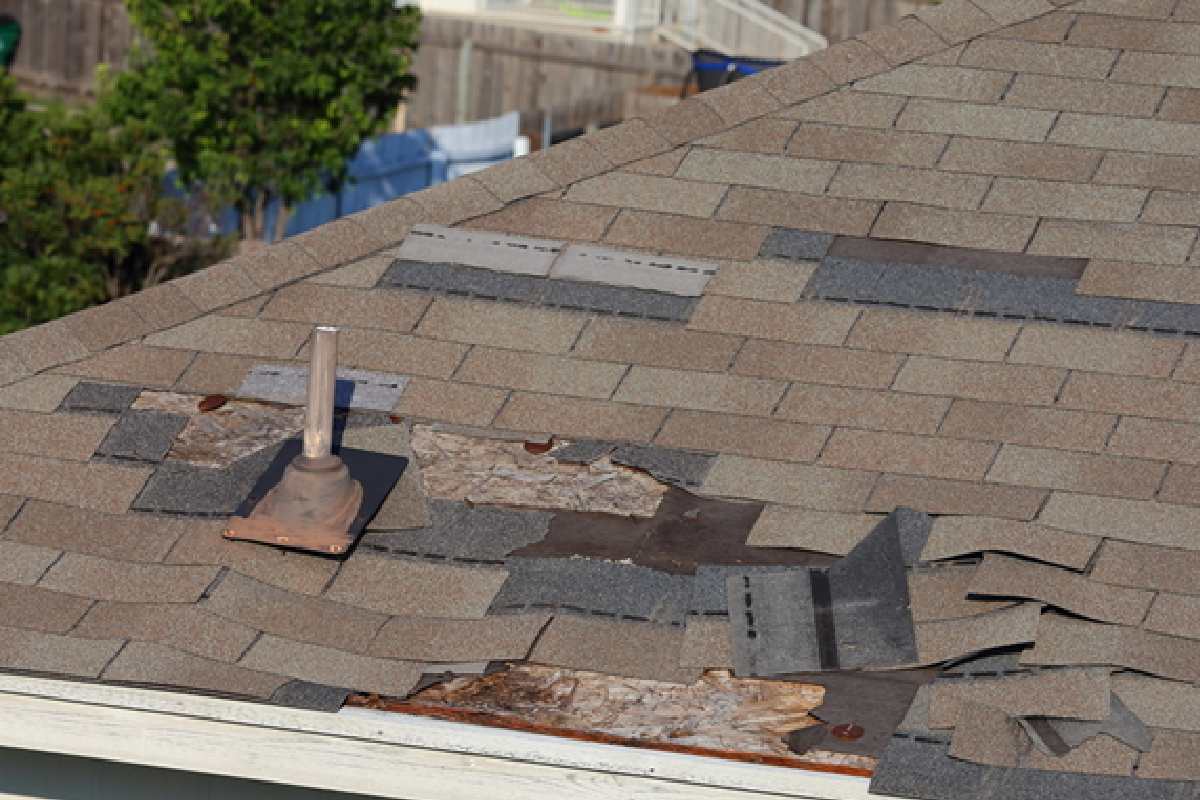
Before calling anyone, a homeowner can safely do a visual check from the yard with binoculars. Walk all the way around the house and look for missing shingles, obvious bare patches where black underlayment shows through, or large areas of curled, cracked, or cupped shingles. Check whether the color looks even or if you see big swaths of dark “bald” spots where the protective granules have worn away. Around chimneys, vents, and skylights, search for loose or lifted flashing, which often appears as small gaps or shadows instead of tight metal edges.
Inside the house, inspect ceilings and the top corners of walls for brown stains, bubbling paint, or peeling plaster that might signal a slow leak. In the attic, go up on a dry day with a flashlight and turn the light off for a moment; any pinpoints of daylight where you should not see sky tell you there is a hole. Turn the light back on and look for damp insulation, dark streaks on rafters, or areas where the wood looks soft or moldy. Catching these early signs is the cheapest form of “repair,” because it lets you act long before the damage spreads.
For broader preventative upkeep, homeowners can also review this guide to home maintenance and use it as a reference when checking other parts of the property.
When a simple repair is usually enough?
If your asphalt shingle roof is younger than about 15 years and you only see a handful of damaged or missing shingles, repair is usually the sensible choice. Localised wind damage after a storm, a small leak around a vent pipe, or a cracked ridge cap can often be fixed by replacing a few shingles or re-sealing flashing. On a sound, relatively young roof, these targeted jobs can buy you many more years of life for a modest cost compared with a full tear-off.
Typical small repairs include sliding new shingles under damaged ones, renailing or replacing loose flashing, and adding sealant where old caulk has dried out and cracked. Handy homeowners sometimes tackle the simplest of these jobs themselves, provided they are comfortable on a ladder, use a proper roof harness, and work only in safe, dry conditions. Even then, it is important to match replacement shingles as closely as possible in style and weight, because thin or mismatched shingles can fail early or create weak spots.
Signs that point toward full replacement
Age is one of the clearest indicators that replacement is coming. An average three-tab asphalt shingle roof lasts around 20–25 years in mild climates, while architectural shingles may last a bit longer; harsh sun, frequent hail, or heavy snow can shorten those numbers. If your roof is already at or beyond its expected lifespan and you are seeing granule loss, widespread curling, or multiple leaks in different rooms, piecemeal repairs may simply postpone the inevitable at increasing cost.
Structural warning signs are even more serious. A sagging ridge line, soft or springy spots underfoot, or large areas of rotten decking mean water has been getting in for some time. In these cases, a few new shingles will not fix the underlying problem. Continuing to patch a failing roof can risk sudden leaks, mold growth inside insulation and walls, and even compromised framing. When that happens, a full replacement that includes damaged decking and proper underlayment often costs less in the long run than repeated repairs plus interior restoration.
For a more detailed comparison of the decision, homeowners can also read shingle roof repair vs replacement before choosing between the two options.
Cost ranges, especially in rural areas
Although the prices are not precise and differ significantly, repair is almost always less expensive than replacement. For instance, changing a small quantity of shingles or sealing the flashing again might cost a few hundred dollars, depending on the roof slope and how easily it can be reached. Bigger repairs that involve a few dozen shingles, several leak points, or pieces of rotten decking can escalate to the low thousands. The reason why rural homeowners, in some cases, might be paying more for labor is that contractors need to travel longer distances and have fewer rivals in the area; however, the price of materials is often the same as in small towns and suburbs.
The complete replacement of a medium-sized country home with an asphalt shingle roof, in general, is not less than several thousand dollars, and the total is mainly decided by the size, pitch, and complexity of the roof. More labor and safety equipment are needed for steep, multi-gabled farmhouses and two-story houses with dormers than for simple ranch-style layouts, so the price per square foot is higher. Nevertheless, in locations where high winds are common, and there is a heavy snow load, the upgrading to heavier architectural shingles and the use of modern underlayments during a replacement, for example, can deter storm damage and decrease repair costs in the coming years.
Rural-specific cost considerations
The country homes have a few additional factors that the urban homeowners might not even think of. The charges for traveling can make small repair jobs proportionately more costly; hence, it is possible that combining tasks—such as gutter work, chimney cap inspection, or replacing worn flashing—into one visit would be more cost-effective. Perhaps walking might be hard if your property has long gravel lanes, or there is not much room for parking near the house; therefore, sometimes roofers add a surcharge when they have to take materials farther from the truck.
The rural homeowners usually have an advantage over urban ones in that they can decide on the timing more freely. Working during the contractor’s off-season—early spring or late fall in most places—may give you better prices than during the peak summer. Moreover, it might not be a problem anymore to arrange for the ground level staging, material piles, and debris dumpsters on your acreage without being concerned about street closures and narrow driveways. While working on your project, you should request detailed quotes that differentiate labor, materials, disposal, and any travel fees so that you can easily compare the various choices.
Safety: when not to attempt DIY
Shingle replacement videos might suggest that roof work is easy and can be done in no time, but real-life scenarios are seldom perfect.
Any roof that is steep, high from the ground, or slippery because of moss, dew, or dust is unsafe even for skilled workers. If you are not sure while using a ladder, do not feel comfortable wearing a safety harness, and need to work close to power lines, the most secure decision would be to employ a professional roofer. The expense of a single hospital bill can be much higher than the money you save by doing a small repair on your own.
Moreover, DIY has its boundaries when it comes to uncovering issues that remain hidden. A stain on the ceiling is what a homeowner may notice and decide that the torn shingle found above is the cause of the two being connected. The truth is water can move long distances along underlayment and rafters before it becomes visible inside.
A professional has the knowledge and experience in leak detection, checking flashing, inspecting valleys, and even recognizing the most subtle signs of wear that is widespread. It is better to pay for a detailed inspection once in a couple of years than to face expensive surprises later on.
For general home repair guidance and practical maintenance ideas, homeowners can also explore TheHomeTrotters HomeRepairs as a related resource.
Step by step: how to decide for your roof
To help you decide clearly what to do in the country, make up your mind by using a simple checklist. Determine the age of the roof of your house by checking the papers or asking the people that have been living there. Do the ground and attic inspections which were talked about and write down the issues you find. Also, take pictures of the places where the roof is missing, stained ceiling, or sagging lines and put the pictures together in a folder for safekeeping.
After that, get the services of one or two good roofers who can come to your place, give you a free inspection, and provide an estimate in writing. Give them the photographs and share your thought, and then ask the same questions to each contractor: With basic repairs, how much longer is the current roof going to last? What does a full replacement comprise? Are there intermediate options to just one slope that remain heavily weathered? Not only the prices should remain compared but also the reasons; a reliable roofer has to be able to explain to you in simple words the good and the bad sides of each way.
Experiences typical of country homeowners
Typical of country homeowners, most rural homeowners do something similar with their roof. First ten years of a new roof are very quiet, and the only work done is clearing branches and cleaning gutters. Small repairs start in the second decade—perhaps a patch after a windstorm, or new flashing around a chimney. If those jobs remain handled promptly and properly, they can keep the roof going several more years. However, more frequent leaks and worn-out spots make it clear at some point that replacement is coming.
The ones who start early planning usually experience financial pressure less at the time of action. Saving money for a “roof fund,” getting rough estimates in advance, and knowing when the roof remain made allows them to set a date for the replacement at their own convenience and not in the middle of an emergency. Those who procrastinate tell a completely different story though: a small leak that remain left unattended for a season turns into rotten sheathing, damaged insulation, and interior repairs that cost more than the difference between early replacement and constant patching.
Balancing budget, safety, and peace of mind
The point of repair or replacement is eventually more than the numbers on paper. A roof that is not in good condition may still do the job today but you will remain worried every time there is a heavy weather. A new roof comes at a high price, but in return, it can provide you with decades of peace of mind, better energy efficiency, and higher resale value. That peace of mind matters a lot for a country home where the roof is your main protection against long drives to town, frozen pipes, and ruined heirlooms.
Carry out your own inspections, have honest conversations with local roofers, and be realistic about your budget to know what is the best decision. Minor, early repairs and good upkeep will keep a healthy roof viable for years. Once in a certain line is the age and damage then most probably it is the choice of committing to a full shingle replacement that will be both the safest and the most economical of your home and family.
For homeowners preparing properties for colder conditions, Master the Art of Winterization offers another useful maintenance-related resource.
When roof and exterior maintenance are part of a larger home-care routine, How to Extend the Lifespan of Your Oven provides another example of preventative maintenance that can help protect household equipment.
For additional information about roof maintenance and related building guidance, homeowners can consult the U.S. Environmental Protection Agency as an external reference.
For plumbing-related maintenance that can help protect a home from water-related problems, Keys of Drain Maintenance is another relevant resource.

Afiya Jafar
Afiya Jafar is a lifestyle and home living writer at Country Living Blog who focuses on simple, practical and comfortable approaches to everyday living. Her content covers home improvement, gardening, interior ideas, décor, household organisation and lifestyle topics.
View Author Profile →
Sameena Begum
Sameena Begum is a lifestyle, home and digital content reviewer who reviews selected Country Living Blog articles for clarity, organisation, consistency and reader usefulness.
View Reviewer Profile →