
Last Updated: October 13, 2026
Table of Contents
Organic Food is Better for Your Health
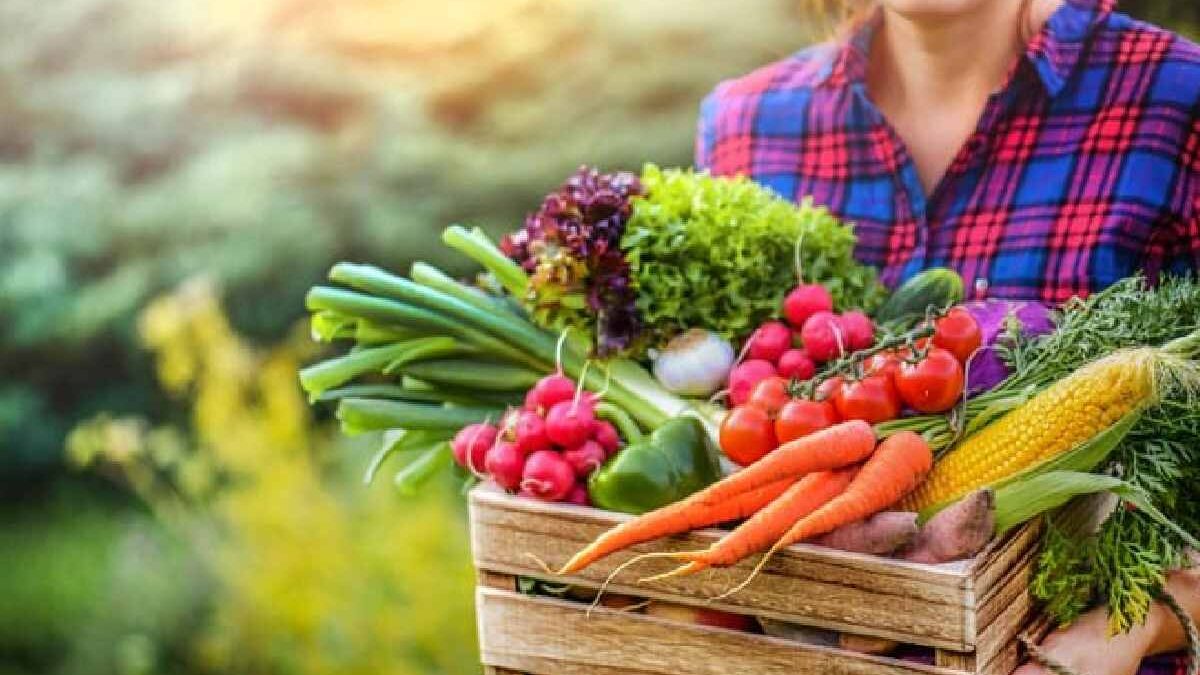
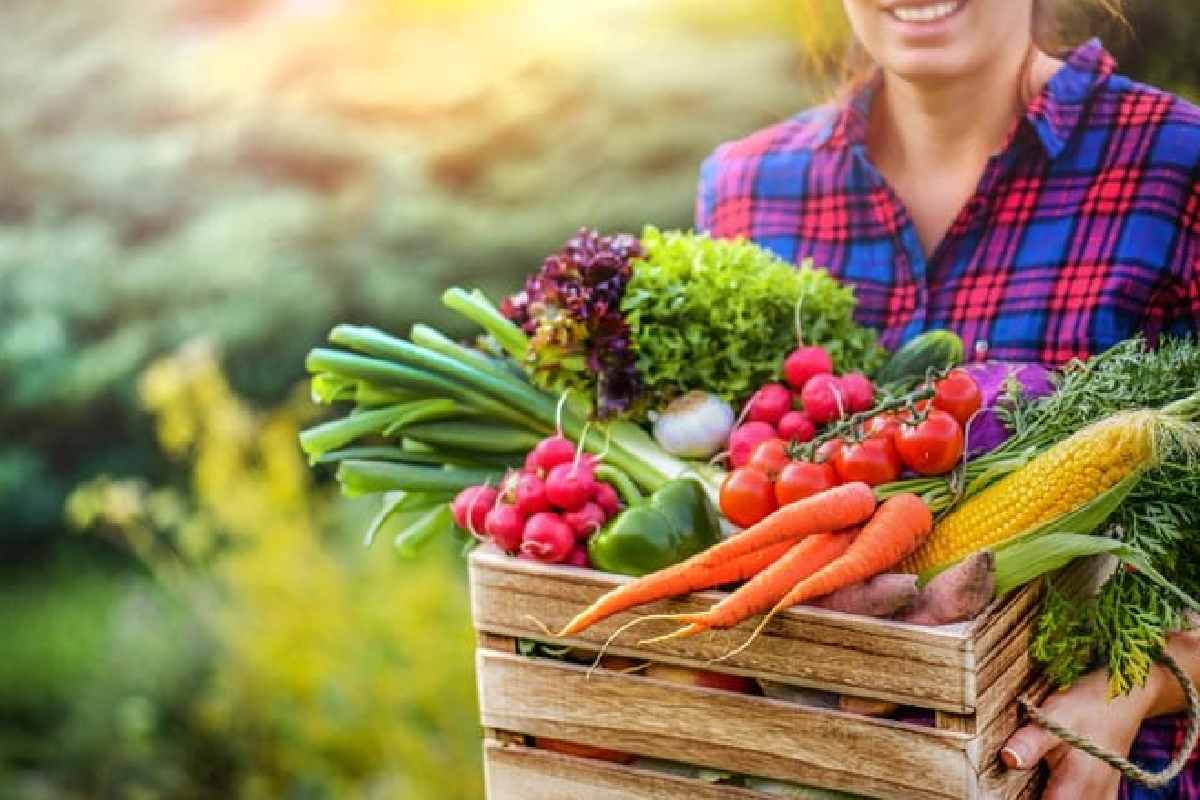
Organic food has gained significant attention over the past two decades as consumers become more concerned about health, food safety, and environmental sustainability. Its are produced using farming practices that avoid synthetic pesticides, chemical fertilizers, genetically modified organisms (GMOs), antibiotics, and growth hormones. Research suggests that choosing organic foods may offer several health benefits compared to conventionally produced foods.
This article belongs to Healthy Foods
What is Organic Food?
Organic food is produced according to specific agricultural standards that emphasize natural farming practices. Organic farmers generally avoid synthetic pesticides and fertilizers, genetically modified organisms, and routine use of antibiotics and growth hormones in livestock.
Instead, organic farming often relies on crop rotation, compost, natural fertilizers, biological pest control, and other methods designed to support soil health and reduce environmental impact.
Organic certification standards vary by country, but certified products must meet specific requirements before they can carry an organic label.
The Health Advantages of Organic Food
Less Pesticides and Chemicals
One of the most commonly discussed advantages of organic food is reduced exposure to synthetic pesticides. Conventional farming may use chemical pesticides to protect crops from insects, weeds, and diseases. While these substances are regulated for safe use, some consumers prefer organic foods to minimize their exposure.
Organic farming uses alternatives such as natural pest control, crop rotation, and biological methods. Choosing organic fruits and vegetables can therefore be one way to reduce dietary exposure to certain synthetic agricultural chemicals.
Higher Nutritional Value
Some studies suggest that certain organic foods may contain higher levels of specific antioxidants and other beneficial compounds. The nutritional content of food can vary depending on soil quality, farming practices, crop variety, harvesting time, and storage conditions.
A balanced diet should include a wide range of nutrient-rich foods. For more ideas on nutritious choices, you can explore beneficial foods that can be included as part of a healthy eating pattern.
| Nutrient/Compound | Organic Food | Conventional Food |
|---|---|---|
| Antioxidants | Potentially higher | Standard |
| Vitamin C | Similar or slightly higher | Standard |
| Omega-3 Fatty Acids | May be higher in organic dairy | Standard |
| Minerals | Depends on soil quality | Depends on soil quality |
No Antibiotics or Hormones
Organic livestock production generally restricts the routine use of antibiotics and prohibits the use of growth hormones in certain production systems. This can be appealing to consumers concerned about antibiotic resistance and unnecessary exposure to hormones.
Buying organic animal products may help consumers reduce exposure to substances used in some conventional farming systems. However, conventional foods are also regulated and must meet food-safety standards.
Better Taste
Taste is subjective, but many consumers report that organic fruits, vegetables, dairy products, and meats taste better. Freshness, growing conditions, variety, and harvesting methods can all influence flavor.
Local and seasonal organic foods may also have stronger natural flavors because they are harvested closer to peak ripeness.
Hormones and Antibiotics in Organic and Conventional Foods
The use of antibiotics and hormones differs between organic and conventional food production.
| Factor | Organic Food | Conventional Food |
|---|---|---|
| Growth Hormones | Generally prohibited | May be permitted depending on country and animal |
| Antibiotics | Restricted | Used under regulated conditions |
| Pesticides | Limited and regulated | Widely used |
| GMOs | Prohibited under organic standards | May be allowed |
| Animal Feed | Organic feed required | Conventional feed may be used |
Consumers should understand that regulations differ depending on the country and certification system.
The Environmental Good of Organic Food
Organic farming can also provide environmental benefits when properly managed.
Reduced Chemical Pollution
Organic farming reduces the use of many synthetic pesticides and fertilizers. This can lower the risk of chemical runoff entering rivers, lakes, and groundwater.
Enhanced Soil Health
Organic farming practices often emphasize composting, crop rotation, cover crops, and natural fertilizers. These techniques can improve soil structure, increase organic matter, and support beneficial microorganisms.
Healthy soil is essential for long-term agricultural productivity and can help farms maintain better water retention and nutrient cycling.
Biodiversity Conservation
Organic farms may support greater biodiversity by providing habitats for beneficial insects, birds, and other wildlife. Reduced pesticide use can also protect pollinators such as bees and butterflies.
Lower Carbon Footprint
Some organic farming practices may help reduce greenhouse gas emissions by improving soil health and reducing dependence on synthetic fertilizers. However, the overall carbon footprint of organic food depends on transportation, processing, farm productivity, and other factors.
Organic Food vs. Inorganic Food
| Aspect | Organic Food | Inorganic Food |
|---|---|---|
| Pesticides | Limited synthetic pesticide use | Synthetic pesticides commonly used |
| Fertilizers | Natural/organic fertilizers | Synthetic fertilizers common |
| GMOs | Not permitted under organic standards | May be permitted |
| Antibiotics | Restricted | May be used under regulations |
| Hormones | Restricted/prohibited depending on system | May be permitted depending on country |
| Environmental Impact | Often lower chemical impact | Can have higher chemical inputs |
| Cost | Usually higher | Usually lower |
Differences in Nutrient Levels and Antibiotic Resistance
Nutrient Highlights
The nutritional differences between organic and conventional foods are not always large or consistent. Some organic products may have higher levels of certain antioxidants or fatty acids, but factors such as freshness, food variety, soil conditions, and preparation also play important roles.
The most important factor is maintaining a diverse and balanced diet rather than relying exclusively on organic labeling.
Antibiotic Use Impact
Antibiotic resistance is a major public health concern. The unnecessary or excessive use of antibiotics in agriculture can contribute to the development and spread of antibiotic-resistant bacteria.
Organic production standards generally restrict routine antibiotic use, although antibiotics may still be used when necessary to treat sick animals under specific rules.
Microbiome & Immune Function: Organic vs Conventional Diets
Another emerging area of research involves the relationship between food production methods, gut microbiota, and immune function.
| Factor | Organic Diet | Conventional Diet |
|---|---|---|
| Pesticide Exposure | Generally lower | Potentially higher |
| Dietary Diversity | Depends on food choices | Depends on food choices |
| Gut Microbiome | Research ongoing | Research ongoing |
| Immune Effects | Potential indirect benefits | Depends on overall diet |
| Long-Term Evidence | Still developing | More extensively studied |
Research into the microbiome is still developing, and it is too early to conclude that an organic diet directly improves immune function for everyone.
Converting to Organic Food
Switching completely to organic food can be expensive, but consumers can make gradual changes.
1. Start Small
Begin by replacing foods you consume frequently with organic alternatives. Fruits, vegetables, dairy products, and certain animal products can be good starting points.
2. High-Priority Foods
If your budget is limited, focus on foods where reducing pesticide exposure is particularly important to you.
3. Buy Local
Local farmers’ markets and community-supported agriculture programs may provide fresh organic products at competitive prices.
4. Grow Your Own
Growing herbs, vegetables, and fruits at home allows you to control the farming methods used.
5. Plan Your Meals
Meal planning can reduce food waste and help you manage the higher cost of some organic products. Naturally nutritious fruits can also be included in everyday meal plans; the benefits of banana make bananas an easy fruit to add to a balanced diet.
For people following plant-based diets, choosing nutritious protein sources is also important. You can explore rich protein foods for vegetarians for additional food ideas.
Limitations & Uncertainties in Organic Food Health Research
Although organic food has many potential advantages, research findings are not always consistent.
| Area | Current Understanding |
|---|---|
| Pesticide Exposure | Generally lower with organic diets |
| Nutrient Content | Differences vary by food |
| Cancer Risk | Evidence remains uncertain |
| Heart Health | May be influenced by overall diet |
| Environmental Benefits | Often positive but context-dependent |
| Long-Term Health Effects | More research needed |
It is important to remember that organic food is not automatically healthier in every situation. An organic cookie, sugary drink, or highly processed snack can still contain high amounts of sugar, fat, or calories.
Overall dietary quality matters more than the organic label alone.
Conclusion
Organic food can be a valuable part of a healthy lifestyle. Potential advantages include lower exposure to certain synthetic pesticides, restrictions on routine antibiotics and growth hormones, and farming practices that may support soil health and biodiversity.
However, organic food is not a replacement for a balanced diet. Eating a variety of fruits, vegetables, whole grains, legumes, nuts, seeds, and healthy protein sources remains important whether the food is organic or conventionally produced.
For general guidance on maintaining a healthy and balanced eating pattern, the World Health Organization provides evidence-based dietary recommendations.
Ultimately, the best approach is to choose nutritious foods that fit your health needs, preferences, and budget while maintaining variety and moderation.
Key References
- Research on organic farming and food production
- Studies examining pesticide exposure and dietary patterns
- Research on nutritional differences between organic and conventional foods
- Research on antibiotic resistance and agricultural antibiotic use
- Studies examining soil health, biodiversity, and sustainable farming

Afiya Jafar
Afiya Jafar is a lifestyle and home living writer at Country Living Blog who focuses on simple, practical and comfortable approaches to everyday living. Her content covers home improvement, gardening, interior ideas, décor, household organisation and lifestyle topics.
View Author Profile →
Sameena Begum
Sameena Begum is a lifestyle, home and digital content reviewer who reviews selected Country Living Blog articles for clarity, organisation, consistency and reader usefulness.
View Reviewer Profile →