

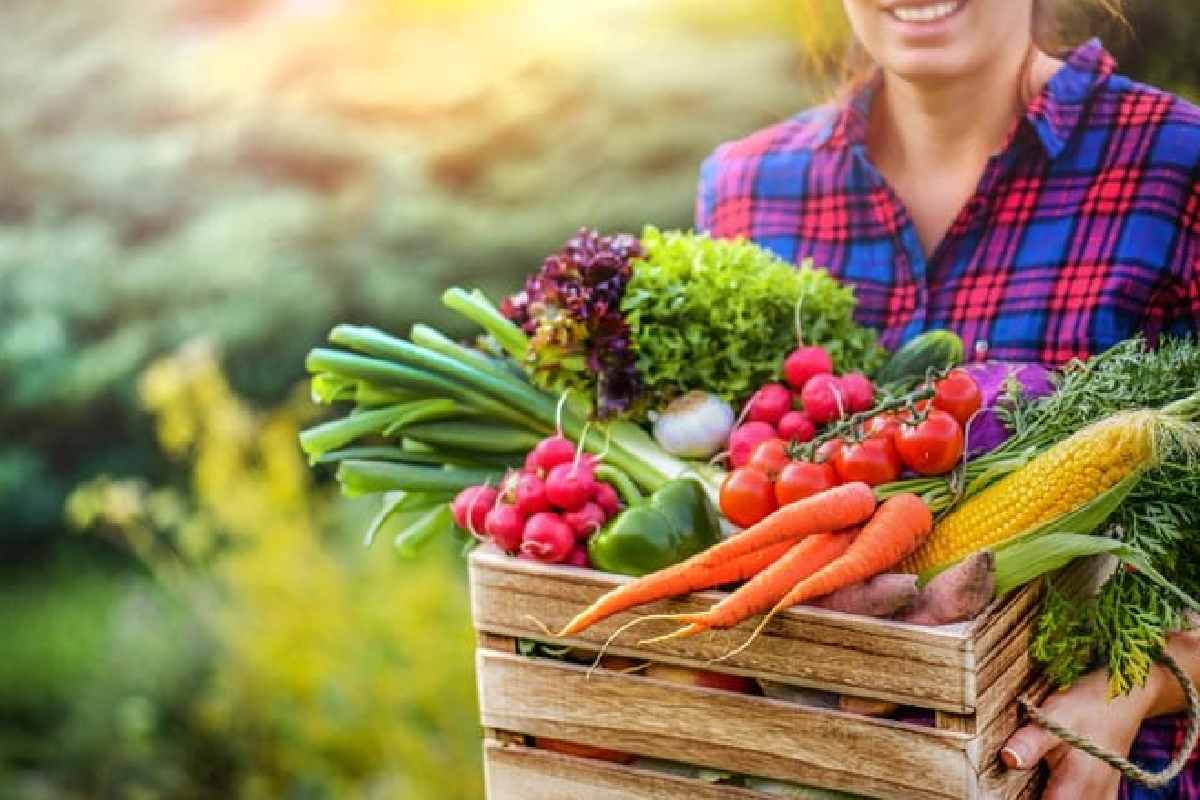
Organic Food is Better for Your Health
Organic food has gained significant attention over the past two decades as consumers become more concerned about health, food safety, and environmental sustainability. Its are produced using farming practices that avoid synthetic pesticides, chemical fertilizers, genetically modified organisms (GMOs), antibiotics, and growth hormones. Research suggests that choosing organic foods may offer several health benefits compared to conventionally produced foods.
Table of Contents
What is Organic Food?
Organic food is grown and processed according to strict agricultural standards. These standards emphasize:
- Natural farming methods
- Soil and water conservation
- Animal welfare
- Minimal use of artificial chemicals
Organic certification ensures that food is produced without harmful synthetic inputs and under regulated conditions.
| Aspect | Description |
| Definition | Food produced using natural farming methods without synthetic chemicals |
| Farming Methods | Uses organic manure, crop rotation, and biological pest control |
| Pesticides | No synthetic pesticides or herbicides used |
| Fertilizers | Natural fertilizers such as compost and animal manure |
| GMOs | Genetically Modified Organisms are not allowed |
| Antibiotics & Hormones | Not used in organic animal farming |
| Soil Management | Focuses on maintaining soil fertility and biodiversity |
| Animal Welfare | Animals are raised in natural, humane conditions |
| Food Additives | No artificial preservatives, colors, or flavors |
| Certification | Must meet government or third-party organic standards |
| Environmental Impact | Eco-friendly and sustainable farming practices |
| Health Impact | Reduced chemical exposure and potential nutritional benefits |
| Examples | Organic fruits, vegetables, grains, dairy, meat, and eggs |
The Health Advantages of Organic Food
Less Pesticides and chemicals
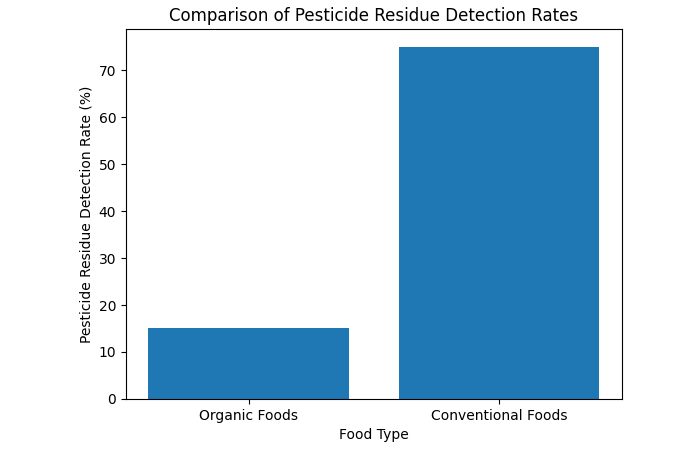
The reduced pesticide content of organic food is one of the most persuasive arguments that justify the preference of organic food. Traditional agriculture is usually intensive on synthetic pesticides and herbicides that may remain on the fruits, vegetables, and grains. Although such residues are controlled, prolonged exposure to the slightest amount of chemicals can be harmful to their health leading to hormonal imbalance and cancerous development.
However, organic farming is a production process that applies natural means of pest control and the product does not contain any harmful chemicals. When you eat organic food you reduce your exposure to these potentially toxic substances and it is therefore a safer option to your health.
Higher Nutritional Value
Organic food will most probably have more nutrients than inorganic food. It is known that organic vegetables and fruits are rich in vitamins, minerals and antioxidants. The use of antioxidants, to a large extent, is trusted to help fight the effects of oxidative stress to avoid the dangers of chronic illnesses like heart disease and cancer.
This is due to the fact that organic food is superior in terms of nutritional value due to healthy soil techniques employed in organic farming. Organic farms do not use chemical fertilizers hence they contribute to the preservation of the natural mineral components of the soil responsible to the high level of nutritional value of their produce.
| Nutrient / Compound | Typically Higher in Organic Foods | Primary Food Sources | Health Relevance |
| Polyphenols | Yes (often significantly higher) | Fruits, vegetables, grains | Antioxidant activity; reduced oxidative stress and inflammation |
| Flavonoids | Yes | Berries, leafy greens, apples | Cardiovascular protection; anti-inflammatory effects |
| Carotenoids | Yes | Carrots, tomatoes, peppers | Eye health; immune system support |
| Vitamin C | Moderately higher in many cases | Fruits and vegetables | Immune function; collagen synthesis |
| Omega-3 Fatty Acids | Higher | Organic milk, eggs, meat | Heart health; cognitive function |
| Omega-6 to Omega-3 Ratio | More favorable (lower ratio) | Organic dairy and meat | Reduced cardiovascular and inflammatory risk |
| Total Antioxidant Capacity | Higher overall | Plant-based organic foods | Cellular protection against free radicals |
No Antibiotics or Hormones
Milk, meat and eggs are also organic animal products that is why they are not sprayed with antibiotics and growth hormones. These chemicals are usually applied in the average livestock agriculture procedure in an attempt to stimulate growth in a congested environment and curb disease outbreaks. Yet, they have been criticized to be one of the causes of antibiotic resistance and hormonal disharmony in human beings due to their excessive use.
Buying organic animal products will not only help you to decrease your exposure to these potentially harmful additives but it will also help in the cause of animal welfare.
Better Taste
Majority of the people who have already made the initiative of investing in organic food have testified that the organic food tastes much better compared to the conventional foods. This has been attributed to the natural agricultural methods and absence of artificializer chemicals which allow the true flavors of fruits, vegetables and meats to be revealed. This increased taste has the capacity not only to improve the food-eating experience but also healthy eating habits.
Hormones and Antibiotics in Organic and Conventional Foods
| Aspect | Organic Foods | Conventional Foods |
| Antibiotic Use in Livestock | Prohibited for growth promotion; limited therapeutic use only | Commonly used for growth promotion and disease prevention |
| Antibiotic Residues in Food | Rare to non-detectable | Possible trace residues |
| Antibiotic Resistance Risk | Lower risk due to restricted use | Higher risk from widespread use |
| Growth Hormones | Not permitted | Permitted in some countries (e.g., cattle) |
| Synthetic Hormones (e.g., rBST) | Prohibited | Used in dairy production in some regions |
| Animal Welfare Standards | Higher (organic feed, outdoor access) | Variable |
| Regulatory Oversight | Strict certification and auditing | Standard food safety regulations |
The Environmental Good of Organic Food
Reduced Chemical Pollution
Conventional farming greatly depends on chemicals used as fertilizers and pesticides which can be washed into the soil and waterways. This pollution is not just affecting the eco systems but also it is a health hazard to the health of the people who are reliant on these water resources.
The use of artificial chemicals is also not included in organic farming and thus production of pollution is minimized and the protection of natural resources is also ensured. Cleaner soil and water are used to make healthier ecosystems and biodiversity.
Enhanced Soil Health
The soil is a critical component of a sustainable agricultural practice and organic farming is more interested in its welfare. The application of composts, crop rotation, and natural fertilizers by the organic farmers improves the soil structure, its fertility, and the activity of most microorganisms. Good soil is advantageous not only in the aspects of crop yield, but also it acts as a carbon sink which prevents climate change.
On the other hand, inorganic production systems are likely to exhaust the soils of nutrients thereby leading to erosion and poor productivity in the long run.
Biodiversity Conservation
Biodiversity reserves are organic farms. Organic agriculture offers the ecosystem with a refuge where pollinators like bees and butterflies are able to reproduce by eradicating the deployment of dangerous pesticides and promoting the multiplicity of crops in the soil. These insects play a very significant role in maintaining food systems and ecosystems.
Monoculture farming on the other hand can also lead to destruction of habitats and disappearance of species diversity in relation to its relationship with traditional agriculture.
Lower Carbon Footprint
Organic farming does not require a lot of energy compared to conventional farming. It also relies on the renewable source and reduced synthetic fertilizer production which is also a leading contributor of greenhouse gas production. Besides, agricultural activities such as cover crops, reduced tillage and organic agriculture help in the capture of carbon in soil.

When you consume organic food, you will leave a smaller carbon footprint of agriculture and protect against climate change.
| Organic Food vs. Inorganic Food: A Comparison | ||
| Aspect | Organic Food | Inorganic Food |
| Farming Methods | Natural methods, no synthetic chemicals or GMOs | Synthetic fertilizers, pesticides, and GMOs |
| Nutritional Content | Higher levels of vitamins, minerals, and antioxidants | Generally lower nutritional content |
| Chemical Residues | Minimal or none | May contain pesticide and chemical residues |
| Environmental Impact | Eco-friendly, promotes biodiversity and soil health | High environmental cost, pollution, and habitat loss |
| Cost | Typically, more expensive | More affordable due to higher yields and subsidies |
Although organic food has a variety of health and environmental advantages, it is somewhat pricier. Nevertheless, in the long run, the individual and environmental gains tend to outsource the original disparity in cost.
Differences in Nutrient Levels and Antibiotic Resistance
Nutrient Highlights
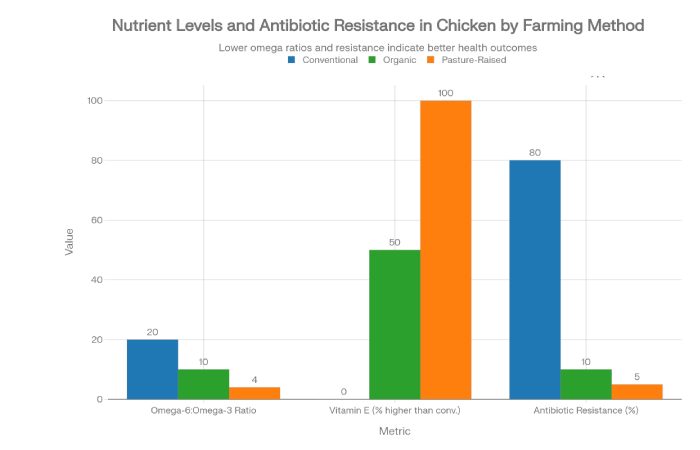
The amount of omega-6 to omega-3 ratio in pasture-raised chicken is more favorable (around 4: 1 ) than conventional (20: 1 ) which helps in the anti-inflammatory effects and heart health. It is also rich in vitamin E and A because of the natural foraging.
Antibiotic Use Impact
Pasture and organic systems also do not use regular antibiotics, leading to significantly lower resistance (e.g. 80 percent in traditional Danish chickens and 0 percent organic). This minimizes threats of spillage of multidrug-resistant bacteria to human beings.
Microbiome & Immune Function: Organic vs Conventional Diets
| Aspect | Organic Foods | Conventional Foods |
| Dietary Phytochemical Intake | Typically higher | Generally lower |
| Pesticide Residue Exposure | Lower | Higher |
| Gut Microbiome Diversity | Often higher (emerging evidence) | May be reduced |
| Short-Chain Fatty Acid Production | Potentially higher | Variable |
| Inflammatory Markers | Possibly lower | Neutral to higher |
| Immune System Modulation | More balanced immune signaling | Less consistent modulation |
| Research Maturity | Emerging and observational | More established baseline |
Converting to Organic Food
In case you are thinking of going into organic food, the following are some of the tips that will guide you on the transition to organic food:
- Start Small: It will be a good idea to start with some of the staple products and replace them with organic products. It would be good to begin with fruits and vegetables and dairy products.
- High-priority: Environmental Working Group (EWG) releases the list of the Dirty Dozen annually, of the most contaminated products of the produce that contain pesticides in great quantities. Purchase the products in the most organic manner.
- Buy Local: The agricultural markets usually have fresh, organic foods at a cheaper rate of the supermarkets. Local farmers are also encouraged, thereby minimizing the carbon footprint in movement of food.
- Grow Your Own: In case there is space, you can start a small organic garden. Planting fruits and vegetables may be a very good experience as it is sure to be feeding on fresh and chemical-free food.
- Plan Your Meals: Organic food may be more costly, and thus plan the meals in advance to reduce the waste and make the most out of the money.
Limitations & Uncertainties in Organic Food Health Research
| Area | Description | Impact on Conclusions |
| Study Design Limitations | Heavy reliance on observational and cohort studies | Limits ability to establish direct causality |
| Lifestyle Confounding | Organic consumers often have healthier overall lifestyles | Health benefits may not be solely due to organic food |
| Nutrient Variability | Nutrient content varies by soil, climate, crop variety, and farming methods | Inconsistent nutritional differences across studies |
| Short-Term Trials | Many intervention studies are brief in duration | Long-term health effects remain unclear |
| Measurement Challenges | Difficulty isolating pesticide and nutrient effects | Reduces precision of outcome attribution |
| Regulatory Differences | Organic standards vary by country and region | Limits cross-study comparability |
| Cost & Accessibility Bias | Organic food is more expensive and less accessible | Skews study populations toward higher-income groups |
| Publication Bias | Positive findings more likely to be published | Overestimation of benefits possible |
Conclusion
Organic food is not only a matter of individual health choice, but it is also better investment in the future of the planet. The advantages of organic food are not limited to minimizing the contact with chemicals and enriching the nutritional intake. Organic farming is environmentally friendly, biodiversity-conserving and anticlimatic change. Comparing organic food vs inorganic food, there are more benefits of using organic food.
The cost may be a barrier to the other people but the long-term advantages of improving health and clean environment are worth the consideration which would make organic food a feasible choice. We can contribute to the creation of a healthier future and the world through appropriate selection of food.
Key References
Barański et al. (2014) — Meta-analysis with results of antioxidant levels being higher in organic crops.
Smith-Spangler et al. (2012) — Organic vs. conventional foods- systematic review of the health outcomes.
Curl et al. (2015) – Biomonitoring study that showed the difference in exposure to pesticides.
Wachter and Reganold (2016) — Organic agriculture and food quality review.