
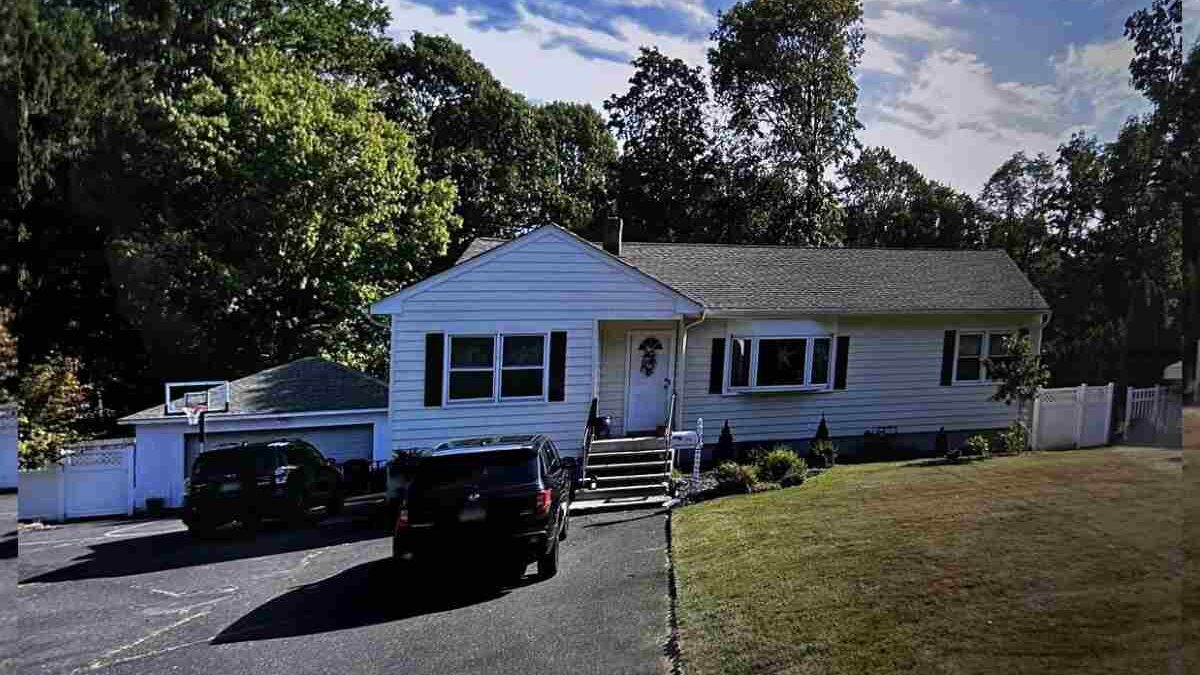
Home expansion is the process of increasing the size or usable space of an existing house. Instead of moving to a new home, homeowners expand their current property to meet changing needs like a growing family, work-from-home space, or lifestyle upgrades.
Table of Contents
What is Home Expansion
Home expansion refers to the process of increasing the size, functionality, or usable living space of an existing home. Instead of relocating to a new house, homeowners expand their current property to meet evolving needs such as a growing family, work-from-home space, or lifestyle upgrades.
| Aspect | Details |
| Definition | Home expansion is the process of increasing the size or usable living space of an existing house. |
| Purpose | To accommodate growing families, new lifestyle needs, or modern upgrades without moving. |
| Common Methods | Room additions, second-story additions, garage additions, basement or attic conversions. |
| Who It’s For | Homeowners needing extra space or improved functionality. |
| Work Involved | Planning, design, permits, construction, and finishing. |
| Professionals Involved | Home expansion contractors, architects, engineers, interior designers. |
| Timeframe | From a few weeks to several months, depending on project size. |
| Cost Range | Varies by location, materials, and complexity of expansion. |
| Impact on Property | Increases home value, comfort, and usability. |
| Alternative to Moving | Allows homeowners to stay in their current neighborhood while gaining space. |
What are Home addition contractors?
Home addition contractors are experts with specialization in adding on the existing residential buildings. Home addition experts specialise in home building extensions as compared to general contractors who may deal with a wide scope of construction projects.
This may include as easy as adding rooms to the house or elaborate buildings that alter the footprint of the house. Their specialization is not only the construction but also includes the knowledge of zoning laws, building codes, and design, and makes every addition to the structure blend with the existing framework.
| Aspect | Details |
| Definition | Home addition contractors are professionals who specialize in expanding or adding new spaces to existing homes. |
| Primary Role | Plan, manage, and construct home extensions or additions from start to finish. |
| Type of Work | Room additions, second-story additions, garages, sunrooms, kitchen or bathroom expansions. |
| Who They Work With | Homeowners, architects, designers, engineers, and subcontractors. |
| Responsibilities | Design coordination, permits, construction, inspections, and project management. |
| Skills Required | Construction expertise, knowledge of building codes, project management skills. |
| Permits & Compliance | Ensure all work follows local building codes and zoning laws. |
| Project Scope | Can handle small single-room additions to large multi-level expansions. |
| Tools & Materials | Uses professional construction tools, materials, and safety equipment. |
| Outcome | Adds functional living space, improves comfort, and increases property value. |
Advantages of recruiting professional Home Addition Contractors.
The choice to hire professional home addition contractors has a number of benefits:
- Quality Assurance: The professionals are competent to address the structural, electrical and plumbing needs effectively to deliver high quality results.
- Time-Saving: Experienced contractors take care of all project schedules such as getting the permits to construction
- thereby saving time hugely on delays.
- Legal Compliance: They are conversant with the local building codes and regulations which assists them to evade any
- legal problems with the local authorities due to non-compliance.
- Value Addition: Professionally carried out additions can greatly increase the resale value of your home thus it is a significant investment.
Strategic Planning for Home Expansion
| Planning Area | Practical Considerations | Strategic Impact |
| Goal Definition | Family growth, rental income, resale value, lifestyle upgrade | Prevents misalignment between design and long-term needs |
| Space Requirements | Bathrooms, bedrooms, extensions to the kitchen, working areas | Guarantees operational efficiency and prevents over/underbuilding |
| Budget Framework | Construction costs, soft costs, contingency allocation | Minimizes the cost overruns and project delays |
| Timeline Planning | Design phase, permitting, construction windows | Helps control occupancy and reduces disruption |
| Regulatory Feasibility | Zoning limits, setback rules, height restrictions | Precludes redesigns, penalties, or rejectal of permit |
| Property Assessment | Foundation strength, load capacity, site constraints | Determines cost efficiency and technical feasibility |
| Future Adaptability | Flex rooms, aging-in-place design, resale flexibility | Extends the lifespan and commercial value of the expansion |
| Risk Assessment | Permit delays, material shortages, contractor availability | Facilitates more efficient mitigation and execution |
What is the best method of selecting an addition contractor to the home?
The choice of the correct contractor is very essential in the success of your project. The following are some of the pointers that assist in making the right choice:
- Check Credentials: Check licenses, insurance, and certifications. These papers are signs of the legitimacy and competence of the contractor.
- Experience: Find contractors with a long history of experience in home additions of the type your project will be. They can be able to show their ability and skill through their portfolio.
- References and Reviews: It should consult some former clients and ask them about their experience with the contractor. Reviews and ratings done online can also be very helpful in giving feedback.
- Detailed Quations: Get detailed, written quotation of a number of contractors. This will assist you to make a comparison of costs, schedule and scope of work and this helps in making an informed decision.
Regulatory and Legal Considerations for Home Expansion
| Category | Key Requirements | Regulatory Aspect |
| Zoning Regulations | Permitted building type, floor-area ratio (FAR) height limits | Land-use classification |
| Setback Requirements | Front, side, and rear setback compliance | Permitted building type, floor-area ratio (FAR) height limits |
| Building Permits | Building plans, location, engineering documents | City authorizations |
| Building Codes | Structural integrity, fire safety, electrical and plumbing codes | Safety and construction standards |
| Environmental Regulations | Tree protection, drainage, floodplain rules | Site and environmental impact |
| Heritage / Conservation Laws | Design review, material restrictions | Protected properties |
| Homeowners Association (HOA) Rules | Façade design, height, color restrictions | Community guidelines |
| Utility Compliance | Water, sewer, electricity load upgrades | Service connections |
| Inspection Requirements | Foundation, framing, electrical, final occupancy | Stage-wise inspections |
| Occupancy Certification | Completion certificates or occupancy permits | Legal use approval |
Common Mistakes to Avoid
Majority of the home owners make unnecessary mistakes when recruiting contractors. Some of them to avoid include:
- Choosing the Lowest Bid: As much as the budget is one of the considerations, the lowest bid is not always the best value. Poor quality work or hidden costs may also be translated into very low bids.
- Critical Fine: One has to look into the contract with a fine line, prior to signing. Ensure every detail in the project is well defined, commence and completion date, the specific scope of work, payment schedules and warranty are well defined.
- Absence of Communication: You should constantly communicate with your contractor. Lack of proper communication can cause a lack of understanding and dissatisfaction with the outcome.
Design Considerations for Home Expansion
| Design Aspect | Functional Outcome | Practical Design Elements |
| Architectural Consistency | Maintains cohesive appearance and resale value | Matching rooflines, materials, façade proportions |
| Space Planning | Improves daily usability and flow | Logical room adjacency, circulation paths |
| Natural Light | Enhances comfort and reduces energy use | Window placement, skylights, orientation |
| Ventilation | Improves indoor air quality | Cross-ventilation, operable windows, vents |
| Structural Integration | Ensures safety and long-term durability | Load transfer, foundation tie-ins |
| Privacy Management | Balances openness with personal space | Room zoning, window positioning |
| Accessibility | Supports aging-in-place and inclusivity | Wider doorways, step-free access |
| Energy Efficiency | Lowers operating costs | Insulation, glazing, shading devices |
| Future Flexibility | Accommodates changing household needs | Multi-use rooms, modular layouts |
| Indoor–Outdoor Connection | Expands usable living space | Decks, patios, sliding doors |
Structural and Site Evaluation for Home Expansion
| Evaluation Area | Impact on Expansion Planning | Assessment Focus |
| Foundation Capacity | Determines whether vertical or horizontal expansion is feasible | Load-bearing ability |
| Structural Framework | Influences layout changes and reinforcement needs | Building support system |
| Soil Conditions | Affects foundation design and construction cost | Ground stability |
| Site Topography | May require grading or retaining structures | Land characteristics |
| Property Boundaries | Restricts buildable area and design options | Legal site limits |
| Utility Infrastructure | Impacts system upgrades and timelines | Service availability |
| Drainage and Flood Risk | Guides waterproofing and drainage solutions | Water management |
| Existing Defects | Must be resolved before expansion work | Structural issues |
| Access and Logistics | Influences construction method and cost | Construction feasibility |
| Environmental Constraints | May trigger additional approvals or design adjustments | Natural site limits |
Cost Estimation and Financing for Home Expansion
| Cost / Finance Area | Planning Implications | Typical Inclusions |
| Construction Costs | Forms the largest portion of the expansion budget | Labor, materials, structural work |
| Soft Costs | Often underestimated; must be budgeted upfront | Architect, engineer, permits, inspections |
| Site Preparation | Varies based on site and structural conditions | Demolition, excavation, grading |
| Systems Upgrades | Necessary for code compliance and performance | Electrical, plumbing, HVAC capacity upgrades |
| Interior Finishes | Highly variable and impacts final cost significantly | Flooring, cabinetry, fixtures, paint |
| Contingency Reserve | Typically 10–20% of total project cost | Unforeseen structural or material issues |
| Home Equity Financing | Lower interest rates but uses home as collateral | HELOCs, home equity loans |
| Construction Loans | Requires detailed plans and timelines | Draw-based financing during construction |
| Personal Funds | Avoids interest costs but reduces liquidity | Savings, liquid assets |
| Return on Investment | Guides scope decisions and budget allocation | Resale value, rental income potential |
Contractor Selection for Home Expansion
| Selection Area | Strategic Importance | Evaluation Criteria |
| Licensing & Registration | Ensures compliance with local laws and standards | Legal eligibility |
| Insurance Coverage | Protects homeowner from legal and financial liability | Risk protection |
| Relevant Experience | Reduces execution errors and learning-curve risks | Project suitability |
| Portfolio & References | Indicates reliability and craftsmanship | Work quality |
| Bid Transparency | Prevents hidden costs and budget disputes | Cost clarity |
| Schedule Commitment | Affects occupancy planning and overall delivery | Time management |
| Contract Terms | Defines responsibilities and dispute resolution | Legal safeguards |
| Communication Practices | Minimizes misunderstandings during construction | Coordination ability |
| Subcontractor Management | Ensures quality and code compliance | Workforce control |
| Post-Completion Support | Protects long-term performance of the expansion | After-service |
Project Management for Home Expansion
| Management Area | Outcome on Project | Practical Actions |
| Project Scheduling | Reduces delays and improves predictability | Define phases, set milestones, track progress |
| Scope Management | Prevents cost overruns and scope creep | Clearly define scope, document variations |
| Budget Monitoring | Maintains financial discipline | Track expenses, approve change orders |
| Contractor Coordination | Ensures alignment and accountability | Regular site meetings, progress reviews |
| Quality Control | Improves durability and finish quality | Stage-wise inspections, defect checks |
| Regulatory Inspections | Avoids stoppages and legal issues | Schedule mandatory inspections |
| Material Management | Prevents delays and material damage | Track deliveries, manage storage |
| Risk Management | Minimizes disruption and disputes | Identify risks early, maintain contingencies |
| Communication Protocol | Reduces misunderstandings | Written updates, decision logs |
| Project Closeout | Enables legal occupancy and warranty protection | Final inspections, handover documents |
Risks and Mitigation in Home Expansion
| Risk Category | Mitigation Strategy | Potential Issue |
| Budget Overruns | Detailed estimates, contingency fund, scope control | Unexpected cost increases |
| Permit Delays | Early submission, professional support, follow-up | Regulatory approval takes longer than expected |
| Structural Surprises | Pre-construction inspections, structural engineering assessment | Hidden issues in foundation, walls, or roof |
| Material Shortages | Early ordering, alternative suppliers, inventory buffer | Delayed or unavailable supplies |
| Contractor Disputes | Clear contracts, documented change orders, retainage | Miscommunication or performance issues |
| Safety Hazards | Safety protocols, PPE, trained workforce | On-site accidents |
| Weather Impact | Schedule buffer, protective measures | Rain, storms, extreme conditions |
| Design Conflicts | Detailed planning, architectural review, mock-ups | Unforeseen design incompatibilities |
| Neighborhood / Community Issues | Early communication with neighbors, compliance with HOA rules | Noise complaints, access disputes |
| Environmental Constraints | Site assessment, drainage planning, permits | Soil erosion, flood risk, protected vegetation |
Conclusion
Home expansion is a huge investment and the choice of the appropriate contractor may break or make it.
You can find out what home addition contractors do, why it is advisable to hire experienced professionals and how to avoid the pitfalls that usually happen to those who approach the contractor selection process without enough knowledge, which will put you in a better position to choose the right contractor that will do your project.
It is worth waiting, researching, and you will soon be on your way to spend your marvelously increased house. Begin planning your home addition and make that home of your dreams.