

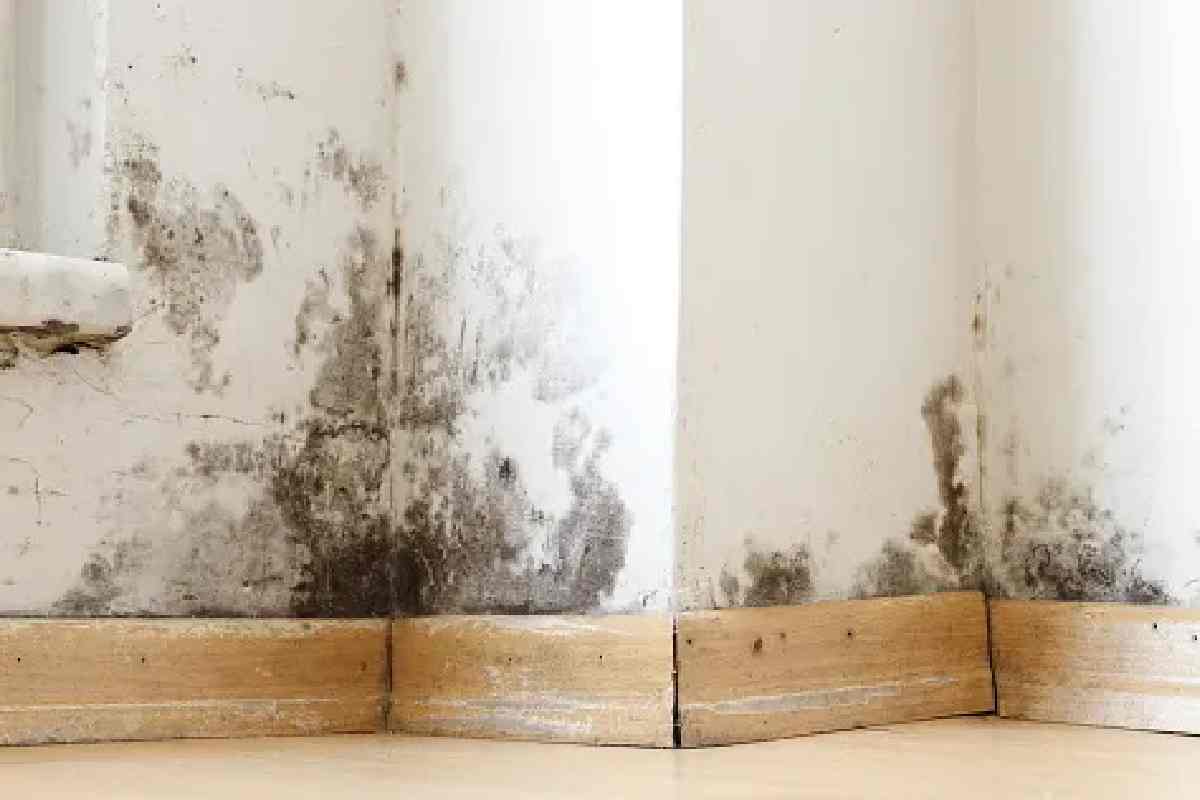
Mold hotspots abound in older homes located in the countryside. These spots range from damp basements under century-old farmhouses to attics above hay-stored barns. Mold, fueled by poor ventilation, wood stove condensation, and groundwater seepage, is common in the countryside. Prevention and DIY fixes revolve around moisture control that is specific to rustic structures such as log cabins and pole barns. This approach not only cuts health risks and repair costs by 50-70% but also allows rural owners to enjoy the benefits of natural remedies and cheap fixes that can withstand severe weather without the need for urban pros.
Table of Contents
Core Conditions That Trigger Mould Growth
| Factor | Research Insight |
|---|---|
| Relative humidity | Sustained levels above 60% significantly increase mould risk |
| Surface condensation | Cold surfaces accelerate spore germination |
| Poor ventilation | Traps moisture and airborne spores |
| Porous materials | Drywall, wood, and fabric support colonization |
| Time | Visible mould can develop within 24–48 hours |
Basement Mold Battlegrounds
Unfinished basements in farmhouses built before 1950 tend to trap moisture from the earth, which leads to the growth of black mold on the wooden beams, especially in areas where cider jugs or canning equipment are stored. Dehumidifiers should be kept running at 50% RH all the time, and the condensate should be drained to sump pumps.
A 70-pint dehumidifier that can handle 2,000 sq ft and costs around $200 remain considered a suitable rural model by homeowner forums and can reduce the regrowth of mold by 80%. In addition, foundation cracks should be sealed with hydraulic cement (approximately $15/tube), and the soil should be graded up to 6 inches away from the walls to keep the rainwater away from the pump wells.
DIY scrub:
Prepare a 1:1 vinegar-water solution, spray it on the mold-infested cinder blocks, leave it for 1 hour, and then vacuum the spores with a HEPA vacuum cleaner. This method is efficient for 90% of the mold on the surface and does not produce bleach fumes in small spaces.
Similarly, an instance of a 1920s colonial basement that was cleaned with the help of peroxide dilution (1:10 water), followed by borax penetrating the wooden beams and preventing the mold from returning after the installation of a dehumidifier. After the cleaning, floors should be covered with 10-mil vapor barriers, which should be stapled to the studs if the basement is converted into a crawlspace.
How to Get Rid of Mold in House
Effective mould removal requires a two-part approach: eliminating existing growth and correcting the moisture source. Research consistently shows that cleaning without moisture control results in recurrence.
Step-by-Step Research-Backed Mould Removal Process
1. Identify and Stop Moisture at the Source
-
Repair leaks immediately
-
Improve ventilation in damp areas
-
Use dehumidifiers to maintain 40–50% RH
| Moisture Fix | Effectiveness |
|---|---|
| Leak repair | High |
| Ventilation upgrade | High |
| Dehumidification | Moderate–High |
2. Isolate the Affected Area
-
Close doors and vents
-
Prevent spore spread during cleaning
-
Wear protective equipment (mask, gloves)
3. Remove Contaminated Materials
Porous materials often cannot be salvaged.
| Material | Action |
|---|---|
| Drywall | Remove if deeply affected |
| Carpet | Replace if saturated |
| Wood | Sand or replace |
| Insulation | Remove entirely |
4. Clean Non-Porous Surfaces Properly
| Surface Type | Recommended Treatment |
|---|---|
| Tile, glass | Detergent + water |
| Metal | Antimicrobial cleaner |
| Sealed wood | HEPA vacuum + wipe-down |
Important: Bleach is not effective on porous materials and may worsen moisture problems.
5. Dry the Area Completely
-
Use fans and air movers
-
Maintain airflow for 24–72 hours
-
Verify dryness before repairs
Long-Term Prevention Strategies
| Prevention Method | Benefit |
|---|---|
| Improve insulation | Reduces condensation |
| Seal air leaks | Controls moisture migration |
| Regular inspections | Early detection |
| Vent fans | Moisture removal |
Wood Stove Surrounds
Condensation that comes from chimney pipes falls onto the fluffy stove surrounds of the cozy cabins and thus, white fuzz appears in the firewood stacks. Firewood should be stacked 18 inches off the ground on pallets in open sheds and tarps should be used to cover the stacks loosely so that they can breathe. This way, 95% of the moisture uptake is prevented according to stove experts. Double-wall pipes should be installed with the normal required clearances (36 inches from combustible materials) and cement board heat shields can be added for $50 if you want a DIY alternative.
Ventilate: Open your windows for 10 minutes daily after the firing or install an exhaust fan that remain coupled with a hygrometer and is regulated at 60% RH. Baking soda paste can be used to clean moldy mantels and after scrubbing, the area should be vacuumed with a HEPA vacuum cleaner and wood should be sealed with borate solutions ($20/gallon) which are a great deterrent for regrowth over a long period of time.
One of the wood stove users moved the damp logs outside, wiped the interiors with vinegar, and increased the airflow – as a result, mold disappeared and the stove’s efficiency increased by 20%.
Health Impact Research Linked to Indoor Mould
Exposure severity depends on concentration, duration, and individual sensitivity.
Documented Health Effects
| Exposure Type | Potential Impact |
|---|---|
| Short-term | Eye irritation, coughing |
| Long-term | Asthma exacerbation |
| High-risk groups | Children, elderly, immunocompromised |
| Chronic exposure | Fatigue, sinus infections |
Attic and Barn Vulnerabilities
Due to roof leaks or humid hay bales that are put below, Pole barn attics mold over purlins and the poor soffit vents that are there trap warm air. Install ridge vents and baffles that direct the air to the intake and also look at R-49 insulation to block house heat – Chicagoland audits reveal that this reduces the condensation by half.
Use the garden hose test to find the leaks and then cover the areas with peel-and-stick underlayment after you have finished the re-roofing with the asphalt shingles that are suitable for the wind in the countryside.
DIY attic repair: Vacuum the rafters with a HEPA vacuum cleaner, sand them to make them smooth, apply biocide sprays such as Concrobium ($25), and then use mold-inhibitor encapsulants.
Barn owners can keep the hay dry by stacking it loosely with the airflow corridors and using desiccant packs in peaks – this way they can prevent a feed loss of more than $1,000 annually. Proper soffit-roof balance can provide 1 sq ft of vent for every 150 sq ft of attic space.
Hidden Rural Hotspots
Crawlspaces under homesteads are a place where mold can develop as a result of ground vapor. You can put gravel trenches around the skirt that lead to the ditches for draining and then spray RMR-86 foam killers. Before 6-mil plastic sheeting that remain sealed at piers.
Bathrooms that are located near kitchens tend to accumulate shower steam – change the fixtures to low-flow heads, vent the fans to the exterior (not the attic). Likewise, laundry nooks that are close to wells leak without remained noticed. Silicone caulk pipes on a monthly basis and elevate the dryers by putting them on blocks.
Exterior grading fixes are a way of channeling the runoff: Downspouts should remain extended 10 feet away from the foundations with splash blocks, trimming the shrubs to 2 feet clear for airflow. Gutter guards ($100/100 ft) are there to prevent the leaf dams that might remain formed in oak-heavy countrysides, thus diverting 90% of roof water.
Prevention Strategies Matrix
| Hotspot | Primary Cause | DIY Prevention Tool | Cost Range | Effectiveness % | Maintenance Freq |
| Basements | Groundwater seepage | Dehumidifier + seals | $200-400 | 80 | Weekly check |
| Wood Stoves | Condensation drips | Pipe shields + dry stacks | $50-150 | 95 | Daily vent |
| Attics/Barns | Poor venting/heat loss | Vents + R-49 insulation | $300-800 | 70 | Annual inspect |
| Crawlspaces | Vapor rise | Encapsulation + gravel | $400-1k | 90 | Bi-annual |
| Bathrooms/Laundry | Steam leaks | Exhaust fans + caulk | $100-300 | 75 | Monthly |
Year-Round Rural Action Plan
Keep an eye on $10 hygrometers that remain placed in hotspots. It remain aimed at 30-50% RH—AC/fans in the summer, wood heat in the winter balanced by vents. Similarly, always have vinegar, borax, and HEPA vacuums ready for the quarterly wiping. Call pros for >10 sq ft infestations as per EPA. Old homes cut costs with Unico tricks: Biocides after sanding save beams without tearing down.
Rural advantages:
Barn foragers are able to identify problems early; co-ops bulk-buy desiccants. Likewise, prevention remain linked by studies to 40% fewer respiratory issues in damp climates. Gutters/downspouts that remain tuned seasonally prevent 70% of basement floods. These measures bring back the safe havens. They extend the lifespans of older homes that are located amid the ever-present moisture of the countryside.