
Last Updated: September 1, 2026
Good gutter and water tank equipment keep farm rainwater harvesting going, which is basically capturing roof runoff from old farmhouses and cabins into cisterns for irrigation, animals, or drinking water—thus putting well pumps on half their usual wear. As a result, these pumps will last longer while drought-proof reserves are getting established in rain-scarce countrysides.
This article belongs to Roofing & Gutters
Table of Contents
Why Rural Rainwater Harvesting Is Important
Metal or shingle roofs of older homes can collect 600 gallons per 1,000 sq ft annually from 1-inch rains. The water is stored in 1,000-5,000 gallon poly tanks that are either buried or elevated for gravity feed to gardens. Gutters carry the debris-free flow through downspouts to first-flush diverters that throw away the initial dirty runoff thus preventing sediment buildup that clogs filters and is a source of bacteria. If these are neglected, contamination can rise by 300% according to rural system audits, hence putting your water safety at risk due to tree pollen, bird droppings, and autumn leaves, so regular maintenance is a must.
For additional information about rainwater harvesting and water-management practices, you can also refer to this basement waterproofing trends guide.
For additional general information on rainwater harvesting and green infrastructure, see the EPA rainwater harvesting resources.
Why Gutter and Tank Water Maintenance Matters
Gutters and water storage tanks function as a single water-harvesting ecosystem. Research shows that poorly maintained gutters are a primary source of microbial, chemical, and particulate contamination in stored tank water.
Common Contaminants Identified in Tank Water (Source-Based)
| ContaminantPrimary SourceHealth / System Impact | ||
|---|---|---|
| Organic debris | Leaves, bird droppings | Bacterial growth |
| Heavy metals | Roof materials | Long-term toxicity |
| Sediments | Dust, soil | Filter clogging |
| Algae spores | Sunlight + nutrients | Oxygen depletion |
| Pathogens | Animals, insects | Waterborne illness |
Gutter Maintenance for Country Roofs
Check your gutters quarterly: In spring clean out the pine needles that have fallen during winter. During the summer remove the bird nests; in the fall take care of the oak leaves; and in the winter check the ice dams using roof heating cables ($50/100 ft). Install leaf guards such as micro-mesh screens ($2/ft) over seamless aluminum gutters which are suitable for hail-prone areas—do not use plastic that gets brittle and cracks in the cold. Water downspouts once a month during the harvest period; unblock them with your 50-ft augers ($30 rental) before a heavy rain that can cause tanks to overflow if the blockages are not removed.
For more information about common roof issues that can affect drainage and water management, see 5 Most Common Roof Problems.
Roof cleans: Employ a power washer on your asphalt shingles once a year (1,500 PSI max) to remove moss without wearing off the granules; for metal roofs use soft brushes along with zinc strips ($20/box) which prevent algae. Trim the overhanging branches 10 ft away from your roof—since the roots can come through the seams.
When maintaining metal roofing, choosing an appropriate roofing color can also help with heat management and overall roof performance; see the most efficient color of a metal roof for more information.
Example: A Midwest farmstead fitted gutter helmets and by doing the cleaning twice a year, they managed to divert 80% of the debris and thus refill their 3,000-gallon tanks regularly instead of overflowing.
Tank Water Quality Parameters
Key Water Quality Indicators
| ParameterIdeal RangeWhy It Matters | ||
|---|---|---|
| pH | 6.5–8.5 | Corrosion & organism balance |
| Turbidity | <5 NTU | Indicates suspended solids |
| Dissolved oxygen | >5 mg/L | Prevents anaerobic bacteria |
| Total dissolved solids (TDS) | <500 ppm | Taste & safety |
| Coliform presence | 0 | Public health safety |
First-Flush and Filtration Protocols
Employ standpipe diverters (PVC, $50 DIY) that automatically waste the first 20-50 gallons per 1,000 sq ft of a roof: flushing the most contaminated part, sensors resetting post-drain—this is very important for sudden peaks in bird droppings. The cleaning after every rainfall: Doing the job every time, empty the diverter, clean it with a bleach solution (1:10), and refill. Leaf catchers installed at the tank inlets work 2-4 times per year ridding 90% of solids that enter.
Multi-stage filters are ideal: 100-micron sediment one before the tank, 5-micron carbon one after the pump for chlorine taste removal, UV sterilizers ($300) that kill 99.9% coliforms for potable water. Quarters you clean your cartridge filters; yearly they change them ($20 each). The benefit of the countryside: Slow sand filters in gravel beds are self-cleaning through bacteria layers and require no power.
Once a year drain your tanks (spring is the best time for that): Extract the water through 2-inch hoses to the fields to use it as fertilizer, clean the insides with TSP substitute ($10), and rinse them three times—poly tanks are good for 20-30 years without cracking. Algae prevention: Opaque tanks or floating covers prevent the entry of light; copper ions ($15/year) can be added every quarter. Check pH (6.5-8.5), turbidity (<1 NTU), bacteria twice a year through county labs ($50/kit)—nitrates under 10 ppm are safe after the livestock fencing is done.
Pump maintenance: Submersible pumps that are cleaned of silt twice a year; pressure tanks (40-60 PSI) that are emptied in the winter to avoid bursts. Overflow pipes that lead to swales stop floods.
How to Clean a Fish Tank
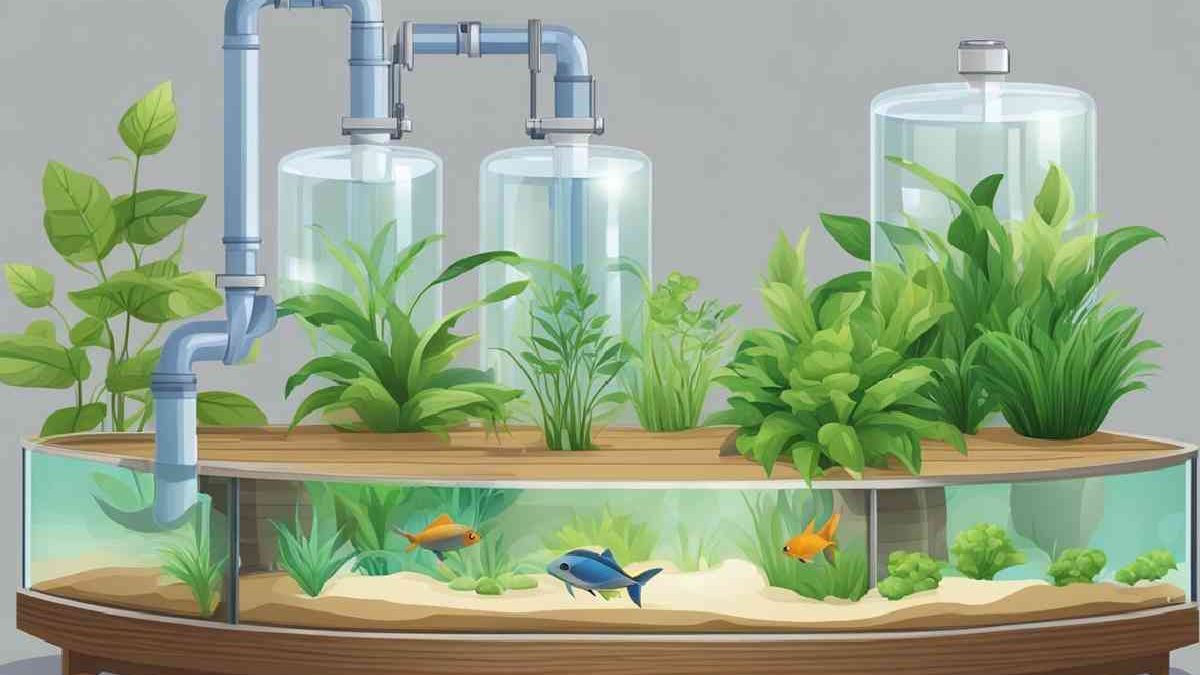
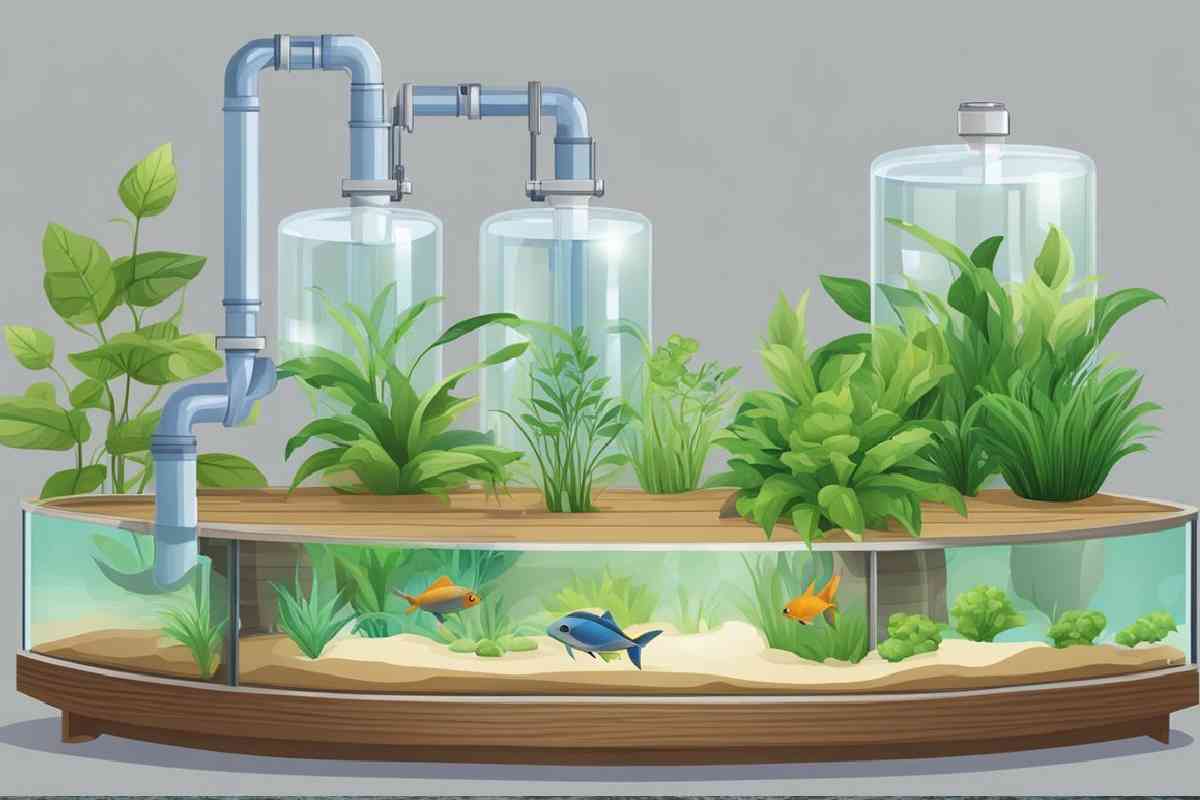
This section adds relevant water-maintenance science, as fish tanks are controlled aquatic systems that demonstrate best practices in water hygiene, filtration, and biological balance—principles directly applicable to stored water systems.
Scientific Principles of Fish Tank Cleaning
| FactorPurpose | |
|---|---|
| Partial water changes | Maintains biological balance |
| Mechanical filtration | Removes debris |
| Biological filtration | Breaks down ammonia |
| Avoiding full drainage | Preserves beneficial bacteria |
Research-Backed Fish Tank Cleaning Steps
- Replace only 20–30% of water at a time
- Use dechlorinated water to protect microorganisms
- Clean gravel to remove waste buildup
- Avoid soap or chemical cleaners
- Monitor ammonia, nitrite, and nitrate levels
Seasonal Table for Rural Maintenance
| Season | Gutter Tasks | Tank/Filter Actions | Water Tests | Cost Estimate |
|---|---|---|---|---|
| Spring | Needle clear, diverter reset | Annual pump-out, strainer wipe | Coliform, pH | $100-200 |
| Summer | Hose flush, screen wipe | Monthly sediment check | Turbidity | $20-50 |
| Fall | Leaf vacuum, branch trim | Baffle clean, copper dose | Nitrates | $50-100 |
| Winter | Ice dam melt, downspout heat | Insulation check, drain tanks | None (frozen) | $30-75 |
Common Pitfalls and Fixes
Mosquitoes hatch in stagnant first-flush—BTI dunks ($10/50) that kill larvae are totally biodegradable. Tree sap very often clogs the screens—citrus degreaser will assist you in dissolving it. Tank overflows not only lead to water loss but can also cause the erosion of foundations; thus auto-float valves ($40) that stop fills may be your savior. Pumps that use hard water build up scales—vinegar soaks will break them down.
Scaling up: 10,000-gallon systems are enough to irrigate 2 acres; you can connect several roofs via manifolds. Cost savings: $0.02/gallon as against $0.10 for municipal water, ROI in 3 years for gardens alone.
The actual homestead success story: Vermont cabin owners took care of their 2,000-gallon setup quarterly. Thus they enjoyed potable water throughout the 2024 drought—no well reliance, $1,200 saved annually.
Filtration and First-Flush Diverter Research
Effectiveness of Filtration Stages
| Filtration StageRemoval Efficiency | |
|---|---|
| Gutter mesh | Large debris |
| First-flush diverter | Initial contaminants |
| Sediment filter | Fine particles |
| Carbon filter | Odor & chemicals |
| UV treatment | Microbial control |
Tools and Sourcing Hacks
Vacuums ($150) are very handy and safe when it comes to reaching eaves; tank wands are long extensions for interior parts of tanks. Co-ops bulk test kits 40% cheaper; salvage yards offer free downspouts. Home Depot DIY diverters from PVC can save you $200 pro installs.
Advanced: IoT sensors ($100) app-alert debris buildup; rainwater softeners for laundries extend fixtures 2x.
When roof features such as skylights or rooflights are part of the roofing system, proper installation and maintenance are also important for preventing water-related problems. See Flat Rooflights for more information.
For major roofing work or repairs, it is important to choose an experienced professional. You can learn more about the process in this guide to Hiring a Roofing Contractor.
If you are specifically looking for professional roofing services in the Guelph area, you can also read about a Roofing Contractor in Guelph.
These routines transform roofs into reservoirs, weaving water security into self-reliant rhythms where every drop counts against dry spells.