
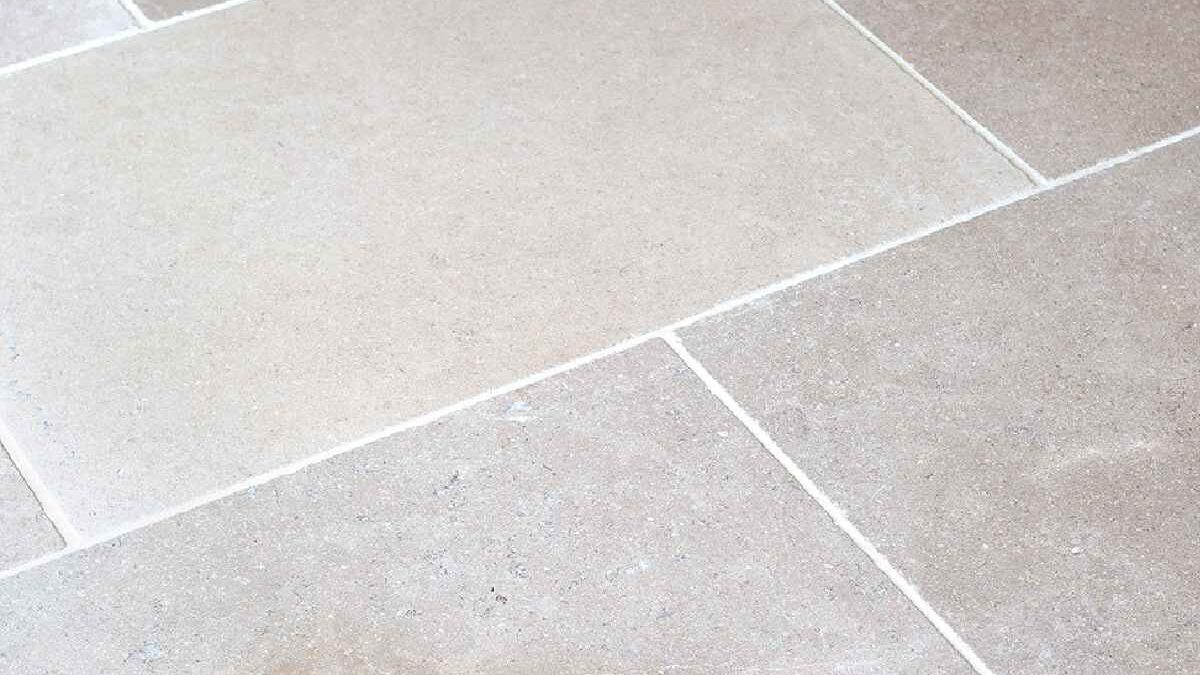
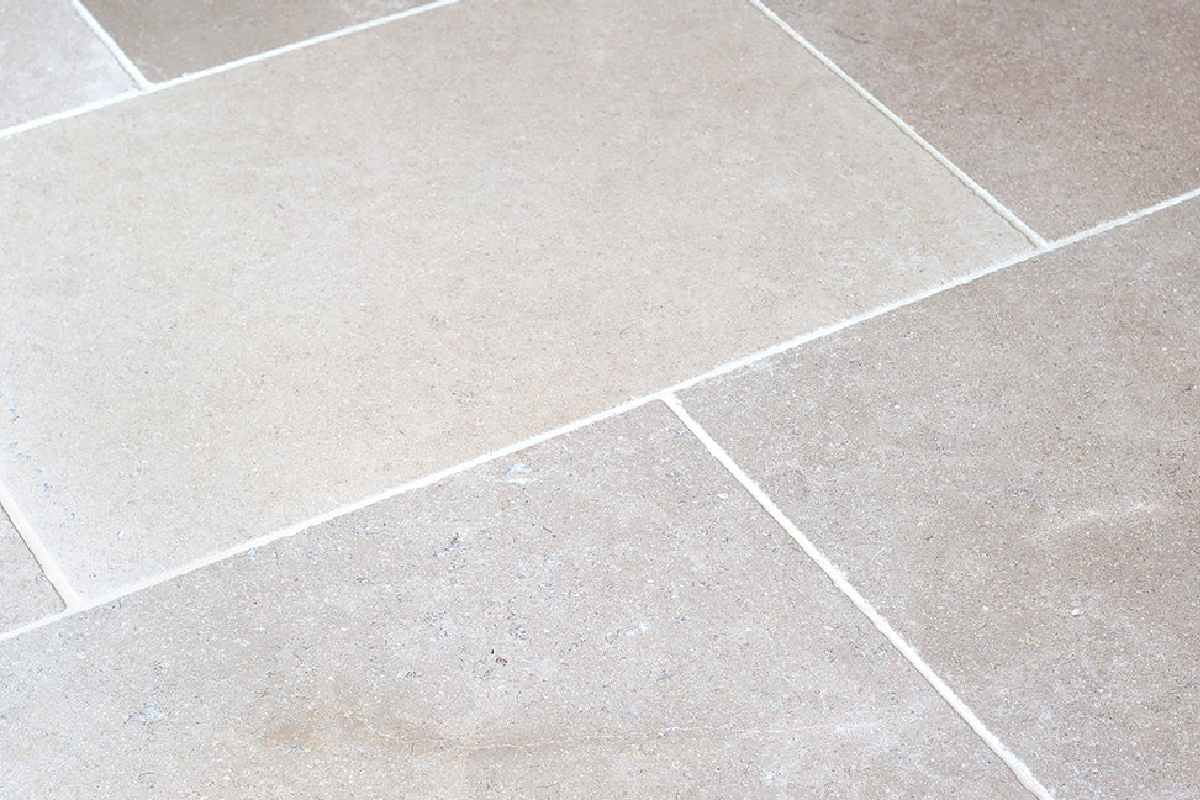
Limestone tiles are natural stone tiles; they are manufactured using limestone, which is a sedimentary rock that is composed after millions of years due to the compressions of marine organisms such as shells and coral. They are greatly applied in floors, walls cladding, bath rooms, kitchens, patios, and their exteriors because of their beauty and perennial popularity.
Table of Contents
What Are Limestone Tiles?
Limestone is one of the sedimentary rocks, which is made up of compacted sea organisms and minerals. Its key distinguishing features are warm and soft color and diversity of natural pattern contributing to its use as residential and commercial interior.
Overview of Limestone Tiles
| Aspect | Details |
| Material | Natural sedimentary stone composed mainly of calcium carbonate. |
| Common Colors | Cream, beige, white, grey, gold. |
| Finish Options | Honed (matte), polished (shiny), brushed, tumbled (rustic). |
| Popular Uses | Flooring, wall cladding, countertops, outdoor patios. |
| Durability | Medium hardness; softer than granite but durable with proper care. |
Types & Finishes of Limestone Tiles
Awareness of types and finishes assists buyers to align the looks and performance requirements.
Common Limestone Types
| Limestone Type | Common Uses | Finish Options |
| Jerusalem Limestone | Flooring, wall cladding, countertops | Honed, polished, tumbled |
| Crema Marfil | Indoor flooring, bathroom walls, kitchens | Polished, honed |
| Fossil Limestone | Feature walls, decorative panels | Honed, tumbled |
| Blue Limestone | Flooring, patios, commercial spaces | Honed, brushed, polished |
| French Limestone (e.g., Jura) | Luxury interiors, fireplaces, flooring | Polished, honed, tumbled |
| Travertine (Limestone variant) | Indoor/outdoor flooring, wall cladding | Tumbled, brushed, honed |
Popular Styles / Names
- Beige and cream tones (e.g., Jerusalem, Crema Marfil)
- Greige and grey variants
- Fossil stone (stones with visible fossilized fragments)
Variety of Colours
Limestone tiles come in a very wide variety of colours. These are grey, white and beige shades. The colour choices are infinite, as long as you want to create a certain look in your house.
The tiles made out of limestone can also make a colour palette in your house. This is due to the fact that when tiling a floor area of considerable size then there will be plenty of such tiles left over after which can be used to decorate other parts of the building like walls or even the kitchen or even the bathrooms! It implies that when acquiring limestone tile floors in the interior design of your house consider how many areas of creativity can be achieved with this material before choosing on what kind or what colours.
| Limestone Colour | Appearance / Description | Common Uses & Style Match |
| Beige | Warm, soft neutral tone with subtle natural veining | Living rooms, hallways, classic and modern interiors |
| Cream / Ivory | Light, elegant shade that brightens spaces | Bathrooms, kitchens, small spaces, luxury interiors |
| White | Clean, minimal look with soft fossil patterns | Contemporary designs, walls, feature areas |
| Grey | Cool, sophisticated tones ranging from light to charcoal | Modern interiors, outdoor patios, minimalist designs |
| Brown / Tan | Earthy, rich natural shades | Rustic spaces, outdoor flooring, traditional settings |
| Yellow / Gold | Warm golden hues with sunlit appearance | Mediterranean and classic architectural styles |
| Blue / Bluestone | Subtle blue-grey undertones (less common) | Modern designs, statement flooring |
| Black / Dark | Deep charcoal to near-black tones (rare) | Luxury accents, feature walls, contemporary spaces |
Where You Can Use Limestone Tiles?
Limestone’s versatility makes it suitable for many applications — but not all environments are equally suitable.
Ideal Uses
- Indoor flooring: Living rooms, hallways, bedrooms
- Wall cladding: Wall feature, wall shower
- Kitchens: Backsplashes and floors with proper sealing
- Fireplaces: Surrounds and hearths
Conditional Uses
- Bathrooms: Yes if sealed and slip‑resistant finish used
- Outdoor patios and walkways: Yes if frost‑resistant and textured finish
- High‑traffic commercial floors: Possible, but consider alternatives (e.g., porcelain)
Where to Avoid
- Heavy industrial environments
- Areas requiring very high abrasion resistance
Factors to Consider When Buying
| Factor | Key Points |
| Quality & Grade | Look for uniform color and minimal fissures. Premium tiles are dense and less porous. |
| Tile Size & Thickness | Common sizes: 12×12”, 16×16”, 18×18”. Thickness: 10–20mm. Larger tiles give a luxurious look but require careful installation. |
| Finish | Polished for indoor elegance, tumbled for rustic/outdoor. |
| Slip Resistance | Brushed or textured finishes reduce slipping, important for bathrooms and kitchens. |
| Source & Authenticity | Imported vs local; natural stone authenticity ensures longevity and aesthetics. |
Scratch resistant and Durable
Limestone tiles are the best in terms of their durability and resistance to scratches. They are not easy to damage even in places where there are high traffic. It is not moisture or oil-absorbing and does not spill on the floor. That is to say that you will not be worried about stains and marks in all the areas of the flooring like in other types of flooring.
The natural material used in building a limestone tile therefore implies that it cannot be damaged by any substance, object or hard work. As you clean your flooring on the house, the limestone will still be in its original state even after many years of use. These are the tiles to use when you require long lasting durability either at home or in the office area.
Benefits
| Benefit | Description / Advantage |
| Natural & Elegant Appearance | Provides a timeless, earthy look with unique natural patterns and textures. |
| Increases Property Value | Enhances visual appeal and adds a premium, luxurious feel to spaces. |
| Versatile Usage | Suitable for floors, walls, bathrooms, kitchens, and outdoor areas (with proper sealing). |
| Comfortable Underfoot | Naturally cool surface, ideal for warm climates and indoor comfort. |
| Eco-Friendly Material | Made from natural stone with minimal processing and environmental impact. |
| Durable with Proper Care | Long-lasting when sealed and maintained correctly. |
| Complements Many Styles | Works well with modern, rustic, classic, and Mediterranean designs. |
Cost Breakdown for Limestone Tiles
| Cost Component | Typical Range / Notes | Details |
| Material Price | $4 – $15 per sq. ft. | Depends on type, origin, finish, and tile thickness. Imported stones are usually pricier. |
| Installation Labor | $3 – $7 per sq. ft. | Professional installation recommended due to natural stone weight and fragility. |
| Sealing & Maintenance | $0.50 – $2 per sq. ft. per year | Initial sealing required; resealing every 1–3 years. |
| Delivery & Handling | Varies ($50–$200 per shipment) | Depends on distance, weight, and supplier. Stone is heavy and fragile. |
| Cutting & Waste Allowance | ~5–10% extra tiles | Covers cuts, breakage, and pattern matching. |
| Accessories (grout, adhesives) | $1 – $3 per sq. ft. | High-quality adhesives and stone-specific grout recommended. |
Maintenance & Care
| Aspect | Guidelines |
| Sealing | Limestone is porous; seal before use to prevent stains. |
| Cleaning | Use pH-neutral cleaners; avoid acidic or abrasive products. |
| Repair | Chips and scratches can be polished out; prevent heavy impacts. |
| Outdoor Considerations | Regular sealing protects against weathering; frost-resistant tiles recommended in colder climates. |
Provides a Natural Look
You might not have thought of it, but limestone has a natural appearance, so it is the one that will fit in any setting. To illustrate, stone floor can produce a vibrant and warm effect in case you desire to establish an earthy feel in the entrance of your house or the bathroom. Since there is limited processing in the production of this product and that it is a natural product, it does not require artificial colours and materials in its design. It implies that you will have a really authentic appearance every time you have a tile.
Price & Market Considerations
| Factor | Insights |
| Cost Range | $4–$15 per sq. ft. depending on finish, thickness, and origin. |
| Installation | Professional installation recommended due to weight and fragility; adds $3–$7 per sq. ft. |
| Resale Value | Natural stone adds aesthetic and perceived value to properties. |
| Alternatives | Porcelain or ceramic tiles with limestone look can be cheaper, low-maintenance options. |
Easy To Clean
Limestone tiles can be cleaned easily. You may mop them, steam them and hose them. This makes them suit perfect in kitchens, bathrooms and any other place that is very moist. Limestone tiles are also strong hence they can withstand normal usage without getting spoilt or stained. This is because by the time you spill something on your limestone flooring, it can be easily cleaned up without permanently being damaged.
Buying Tips
- Request samples to check color variation under your lighting.
- Calculate extra tiles (5–10%) to cover cutting and breakage.
- Compare warranty and return policies of suppliers.
- Consider the long-term cost of maintenance when choosing finish and location.
Frequently Asked Question(FAQs)
Question: Are limestone tiles very easy to scratch?
A: They are not as hard as porcelain and granite, and hence can be scratched by deep abrasion.
Q: Is it possible to use limestone in the external world?
A: Yes, provided it is tiled with a suitable finish that is textured to stop the slip and in the colder climates the tiles should be frost resistant.
Question: How frequently does the limestone need to be sealed?
A: This is based on traffic and type of sealer, which is usually 1-3 years.
Conclusion
You may want to lay a new floor or what can be done to a floor that is already there is to freshen it up, so bear in mind using limestone tiles. They are elegant and long-lasting and will continue to endure years to come.