
Last Updated: September 1, 2026
Rural household drain maintenance mainly revolves around the care of septic systems and the maintenance of well water, which are very important for off-grid farmhouses, cabins, and homesteads that do not have access to city sewers and where the cost of backups runs into thousands in pumping or repairs. Septic tanks recycle wastewater from kitchens and bathrooms into fields through drain lines, while wells provide clean water. However, the rural world has heavy livestock usage, tree roots, and hard freezes that require the implementation of vigilant seasonal protocols in order to prevent clogging, contamination, and even breakdowns that will disrupt the rural lifestyle.
For broader guidance on keeping rural properties in good condition, see our home maintenance resources.
This article belongs to Home Maintenance
Table of Contents
Septic-Safe Products and Habits
Use cleaners that are safe for the septic system only: Enzyme-based drain openers such as Rid-X are more effective in breaking down grease and paper on a monthly basis, while chemical lye that kills bacteria is harmful to the environment—one of the studies indicates that enzymes are 80% faster in restoring flow without causing any corrosion to the pipes. Do not use antibacterial soaps and bleach which will destroy the tank’s microbial workforce; instead, use borax or baking soda which will keep the pH level balanced and thus make the breakdown of the solids easier.
Limit solids: No grease should be poured; tampons, wipes, or coffee grounds should not be flushed—these materials build up sludge layers, thus reducing the capacity of the tank by 30% every year, according to the EPA. Each person in a rural household consumes an average of 50 gallons of water daily; therefore, it is necessary to pump the space every three years ($400-600) before the solids reach 1/3 of the tank volume as determined by the stick tests.
Scenario: A farm in the Midwest changed to enzyme packets and installed grease traps under the sinks, thus they were able to double the time intervals between the pumpings and save $800 in the period of rising fuel prices.
For additional information about septic system care and maintenance, readers can refer to the EPA’s septic system maintenance guidance.
Common Causes of Drain Failure Identified by Plumbing Research
| CauseImpact on Drain System | |
|---|---|
| Grease buildup | Pipe narrowing and recurring blockages |
| Hair accumulation | Slow drainage and trap clogs |
| Soap residue | Biofilm formation inside pipes |
| Food particles | Bacterial growth and odors |
| Mineral deposits | Reduced water flow in hard-water areas |
These issues typically develop gradually, making early maintenance essential.
Landscaping Over Drain Fields
Drain fields are the areas where effluent is absorbed into the soil—thus tractors should not be parked there, sheds should not be built, and deep-rooted trees such as willows should not be planted because the roots will penetrate the perforated pipes leading to the failure of the systems that accounts for 60% of the incidents of the National Onsite Wastewater Association. You should only keep the grass cover: Mow it when it is high so that it will protect the soil from the sun and prevent it from getting compressed by people walking or ATVs that will close the pores and cause the fields to get flooded.
Stockproof fencing placed 10 feet away from the edge will keep the cows away from the absorption beds thus they will not trample them; besides, roof downspouts and gutters should be redirected 50 feet away by using French drains in order to reduce the saturation by 70%. Perennial plants like clover not only help to improve the absorption but also they do not have deep roots. You should check the area every year after it has rained: If there are puddles it means that the ground is saturated and therefore you need to aerate it with pitchforks to make it usable again.
Example: An Oklahoma homesteader aerated their field and planted shallow-root sedum, restoring drainage after heavy rains saturated clay soil, avoiding $5,000 replacement.
Seasonal Well Pump Checks
Well pumps gradually become non-functional due to the accumulation of sediment in the water supply, low water tables, and their freezing—pressure tanks should remain inspected every three months. An ideal range would be between 40 and 60 PSI; air charges can remain flushed through the use of a hose. Pipes should remain winterized by the use of foam sleeves and heat tape ($20/100 ft) in order to keep the area from bursting due to frost in unheated pump houses. Submersibles can be kept up to 10-15 years if the sediment screens remain cleaned twice a year.
Water should be tested twice a year for the presence of coliform bacteria and nitrates (below 10 mg/L according to the EPA)—the use of fertilizers in rural areas causes the increase of nitrates by 40%; a well that has been flooded should be disinfected with one gallon of unscented bleach per 100 gallons and the flushing should be done 24 hours after that. Sediment filters (5-micron) should be placed before softeners in order to extend pump life by 5 years.
Freeze-proof tip: Bury lines 4-6 feet deep or loop in heated sheds; low-yield wells need low-flow fixtures saving 20% draw.
For more information about preparing a home for cold weather, see our guide to winterization.
Best Drain Cleaner
Choosing the best drain cleaner depends on clog type, pipe material, and long-term system health.
Types of Drain Cleaners and Their Effectiveness
| Drain Cleaner TypeBest ForLimitations | ||
|---|---|---|
| Enzymatic cleaners | Organic buildup | Slower action |
| Bio-based cleaners | Routine maintenance | Not for heavy clogs |
| Chemical cleaners | Severe blockages | Pipe corrosion risk |
| Mechanical tools | Hair and solids | Manual effort |
| Hot water & surfactants | Grease buildup | Temporary relief |
Research increasingly favors enzymatic and bio-based solutions for routine drain maintenance.
Why Enzymatic Drain Cleaners Are Research-Preferred
Enzymatic cleaners use bacteria and enzymes to break down organic waste without harming pipes. Studies show they are safer for long-term use and reduce biofilm formation, which is a major cause of recurring clogs.
They are particularly effective in kitchens and bathroom drains where organic matter is common.
Chemical Drain Cleaners: Risks and Considerations
While chemical cleaners act quickly, research links frequent use to:
- Pipe wall erosion
- Seal damage
- Increased brittleness in PVC pipes
- Environmental contamination
These cleaners are best reserved for occasional emergency use.
Comparing Drain Cleaner Effectiveness by Clog Type
| Clog TypeMost Effective Solution | |
|---|---|
| Grease | Hot water + enzymatic cleaner |
| Hair | Mechanical removal |
| Soap scum | Bio-based cleaners |
| Food waste | Enzymatic cleaners |
| Mineral buildup | Professional descaling |
Matching the cleaner to the clog improves results and reduces damage.
Common Rural Pitfalls and Fixes
Tree roots can easily find their way into moist fields. Copper sulfate crystals ($15/bag) that remain poured quarterly will keep them away without the need to kill the pipes. High phosphate detergents cause foaming in fields; by using phosphate-free detergents the balance will remain restored. Livestock runoff that pollutes wells—build a fence 100 feet uphill and plant switchgrass berms.
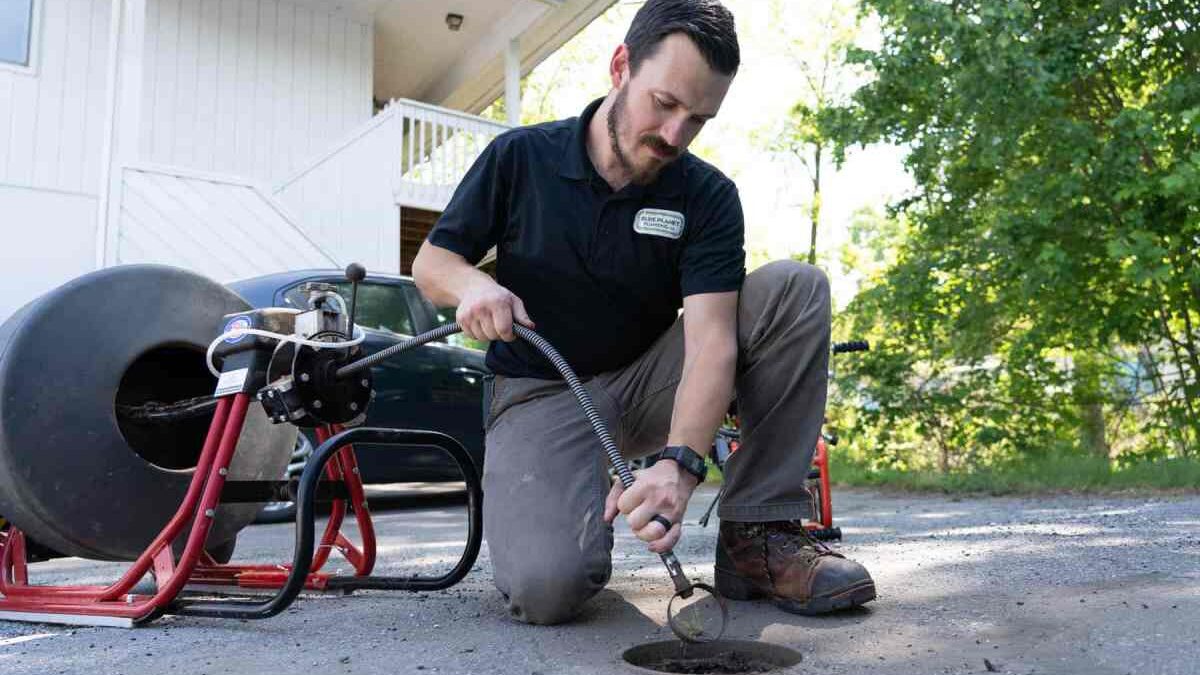
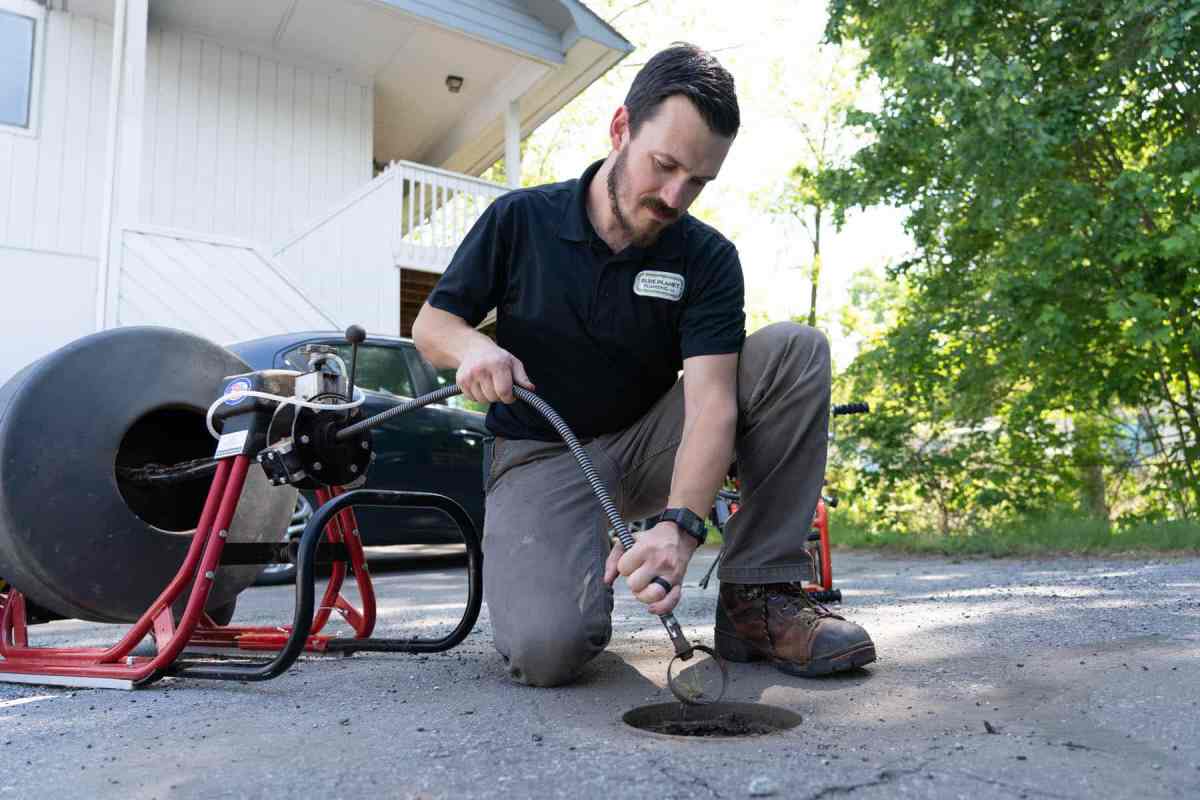
Main line DIY snake: Enzyme soaks that come before 100-foot augers rented at $50/day, clear roots pre-pump. Monitor scum levels via $10 risers.
For related repair and maintenance guidance, explore home repair tips.
Rural Drain Care Comparison
| Aspect | Septic Homes | Well + City Sewer | Municipal All-In |
|---|---|---|---|
| Annual Cost | $300-500 (enzymes) | $200-400 (tests) | $100 (fees only) |
| Failure Risk | High (roots/sludge) | Medium (sediment) | Low |
| Maintenance Freq | Monthly enzymes, 3-yr pump | Quarterly PSI, bi-annual tests | Rare |
| Rural Fix DIY % | 70% (aeration/flushes) | 80% (shock chlorinate) | N/A |
| Lifespan (Years) | 20-40 (proper care) | 10-15 (pump) | 50+ |
Year-Round Action Plan
Spring: Aerate fields, shock wells post-thaw. Summer: Enzyme doses amid irrigation peaks. Fall: Root treatments, winterize pumps. Winter: Insulate, minimal flushes. Apps like SepticCheck track schedules; co-ops bulk-buy enzymes 30% cheaper.
Real win: A Vermont cabin owner fenced fields, enzyme-dosed, and diverted runoff. Zero backups in 8 years versus prior annual $1,200 digs. These habits safeguard health (E.coli outbreaks drop 90%), save fortunes, and sustain off-grid independence where pros charge double for gravel roads.
Related home projects can also benefit from practical guides on removing a skirting board and shingle roof repair versus replacement. You can also learn how to extend the lifespan of your oven.