
Last Updated: August 24, 2026
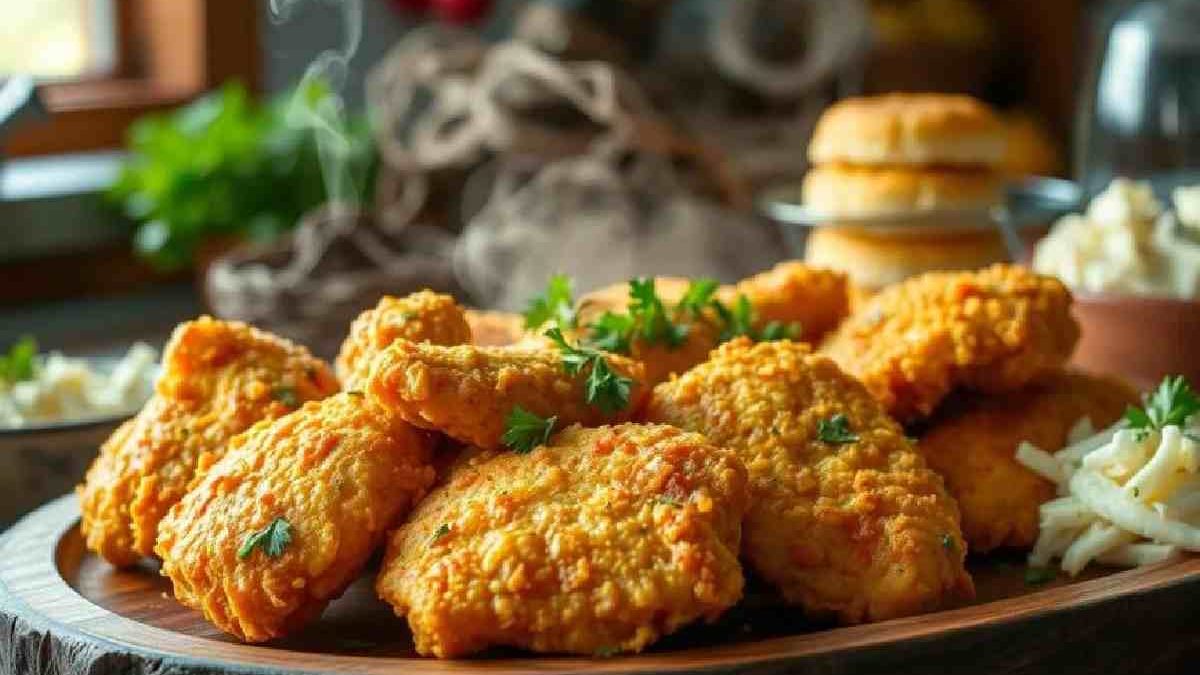
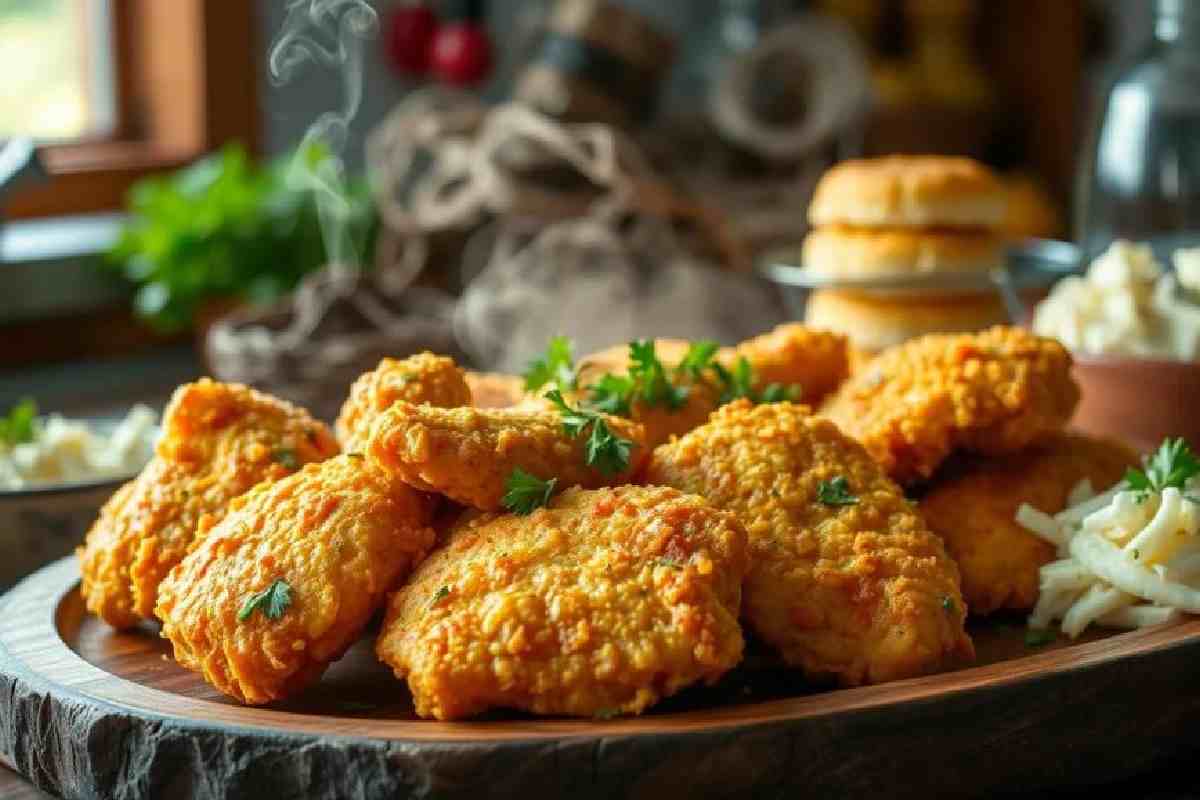
Country fried chicken is mainly about the celebration of the raising of one’s own birds. It is a way to turn broilers that have grazed on the pasture into crispy, golden platters that feed farm families after long days of chores—much better than factory meat with 30-50% more flavor coming from the foraging diets that are rich in bugs and greens. Deep-fryer hacks make it safer and simpler in rural kitchens, where cast-iron Dutch ovens or electric fryers are used to achieve shatter-crack crusts without oil splatters, while buttermilk brines help to tenderize the homestead roosters that have been raised on corn scratch. These recipes are a tribute to the South of America adapted for self-sufficiency, thus they go well with juicy dark meat and creamy gravy on mashed potatoes from the root cellar.
Table of Contents
Why Home-Raised Chickens Are Better for Frying
The bones of the birds that have been processed between 8-12 weeks from the coops will give you tighter grains and less water as compared to those 6-weekers that are commercially processed and pumped with saline—make sure that you dry them overnight in the fridge on wire racks so that the skin will crisp and not steam. Meat that has been pasture-raised has a deeper umami because of the omega-3s and minerals, thus drumsticks contain 25g protein per 4oz as compared to 20g in imports. Butcher tips: For an even fry, spatchcock the whole birds or quarter them for family platters—store the extra ones in the freezer in meal kits that will last for 6 months.
Brining is an absolute necessity: The experiments on Southern cooking have demonstrated that 24-hour immersions in salted buttermilk break down the proteins and bring about 40% more juicy results. A little hot sauce or pickle juice will give a nice tang, thus imitating the commercial tenders which do not contain chemicals.
Food Science Behind Fried Chicken
Fried chicken is defined by the interaction of protein denaturation, starch gelatinization, and the Maillard reaction. These processes occur simultaneously during frying and are responsible for the dish’s characteristic crust, aroma, and flavor.
Key Chemical Reactions During Frying
| Process | What Happens | Impact on Chicken |
|---|---|---|
| Maillard reaction | Amino acids react with sugars | Golden color & savory flavor |
| Protein denaturation | Muscle fibers tighten | Juicy interior if controlled |
| Starch gelatinization | Flour absorbs oil & moisture | Crispy crust formation |
| Moisture evaporation | Steam escapes outward | Prevents oil absorption |
Classic Country Fried Chicken Recipe
Pasture Bird Country Fry (6-8 persons, 2 whole chickens)
Brine (24 hours):
2 cups cultured buttermilk
1/4 cup kosher salt
2 tbsp hot sauce (or brine from farm pickles)
1 tbsp black peppercorns, cracked
Spice Dredge:
2 tbsp seasoned salt
1 tbsp smoked paprika
1 tsp cayenne
3 cups all-purpose flour (or 1/2 cornmeal for crunch)
1 tsp garlic powder
1 tsp onion powder
Fry: 4-6 cups lard or peanut oil (350°F)
Steps:
- First of all, check that chicken is cut up properly (breasts halved, legs/thighs separated) and then put it into the brine, place it in the fridge for 12-24 hours. Next, rinse the chicken and pat it dry with a paper towel.
– Get the dredge ready; dredge pieces twice and give them a 10-minute rest in between for adhesion.
– Heat the oil in a 7qt Dutch oven or 5qt electric fryer to 325-350°F (a candy thermometer is a must). Fry dark meat for 12-15 min, white for 8-10 min, and turn once—internal temperature 165°F. After frying, let the foods drain on wire racks over sheet pans.
– Gravy: 1/4 cup drippings + 1/4 cup flour roux, whisked in 2 cups whole milk (homestead raw strained), salted/peppered. Let it simmer for 5 min.It results in platters that are as good as those from Cracker Barrel, the skins are the ones that lock the juices like a safe.
Chicken Fried Steak Recipe
Although commonly grouped with fried chicken, chicken fried steak uses beef and follows similar frying science principles.
Chicken Fried Steak: Technical Overview
| Element | Purpose |
|---|---|
| Tenderized beef | Mimics chicken texture |
| Seasoned flour coating | Flavor and crunch |
| Shallow frying | Controlled browning |
| Cream gravy | Fat-based emulsion |
Key Scientific Techniques
-
Mechanical tenderization breaks connective tissue
-
Resting the coated steak improves adhesion
-
Gravy thickens via starch gelatinizatio
Deep-Fryer Hacks for Safe Country Kitchens
Work with electric fryers (e.g., 19qt Presto, $150) is much safer than having open flames near propane tanks. A precise thermostat keeps the temperature steady; auto-shutoffs stop the fire, thus allowing for consistent batches that can be used for Sunday suppers. Those that are designed for indoor use get rid of the smoke through the windows; outdoor turkey fryers (32qt) are able to handle whole birds for 20+ people, and the stands for turkeys can also serve for chickens.
Oil hacks: Peanut/lard can be reused 3-5 times (filter through cheesecloth, store in a dark place at 70°F); get farm pork fat for free by slow-simmering the scraps. Use the tong prong test to see if the meat is done—juices run clear. Do not overload the pot (half-fill pot) if you want to keep the heat and thus, avoid greasy results.
Safety comes first: Fire blankets ($20) are more effective than extinguishers in case of grease fires; never use water. Propane regulators that are adjusted every year help in avoiding leaks in sheds.
Instant Pot Hacks for Tender Starts
Use the pressure cooker for legs/thighs by cooking them for 8 minutes at high pressure after brining, then do a quick release and chill in an ice-bath in order to get the skins crisp when frying (2-4 minutes finish)—this way the total time is reduced by half, which is great for weeknights and 90% of the moisture is retained. Besides that, air-fryer tenders made from breasts (400°F, 12 min with turn) are the closest thing to deep-fry without the oil splatter; however, here, 1 tbsp of avocado spray remain used.
Sourdough discard batter: 1 cup discard + egg + spices for a tangy flavor and an adhesion that is on the level of yeast rolls.
Homestead Harvests Variations
Cornmeal Crust Drumsticks: 50/50 flour/cornmeal + farm-fresh corn spice rub for BBQ nights.
Pickle-Brined Wings: Reuse dill brine 48 hours; cayenne-hot for game days.
Overnight Yeast Dough Fryers: Raised batter for hushpuppy-chicken hybrids.
Oven “Fried” for Lent: Panko + egg wash, 425°F convection 25 min—80% crisp using convection barns.
Nutrition and Farm Benefits Matrix
| Aspect | Home-Raised Fried | Commercial Fast Food |
| Protein (g/serving) | 30-35 | 20-25 |
| Omega-3s (mg) | 200+ | 50 |
| Fry Time (Whole Bird) | 45-60 min | N/A (pre-fried) |
| Cost/Plate | $2-3 | $8-12 |
| Shelf Life (Fried) | 3 days fridge | 1 day |
Home birds slash feed costs 60% via foraging; frying preserves B vitamins better than baking.
Sourcing and Scaling for Country Tables
Raise Cornish Cross in 6×8 movable coops ($200 DIY), processing 50 birds/summer batch yielding 200 lbs meat. Co-ops bulk lard $1/lb; oil from soy fields $2/qt. Scale: Double brine for church potlucks (10 chickens).
Real farm story: Texas homesteaders fried 12 pasture birds weekly, selling “chicken supper plates” at markets—$15/plate cleared $500 weekends post-processing costs.
Troubleshoot: Soggy? Double-dredge + rest. Pale? 360°F oil. Tough? Longer brine, younger birds.
Pair with collards from fall plots, cornbread from stone-ground corn, pickles from crocks—full Southern feasts evoking grandma’s kitchen, grease popping like summer fireflies. This isn’t fast food; it’s legacy on a plate, crispy armor guarding tender hearts of homegrown bounty.