
Last Updated: September 3, 2026
Table of Contents
Food Beneficial for Health
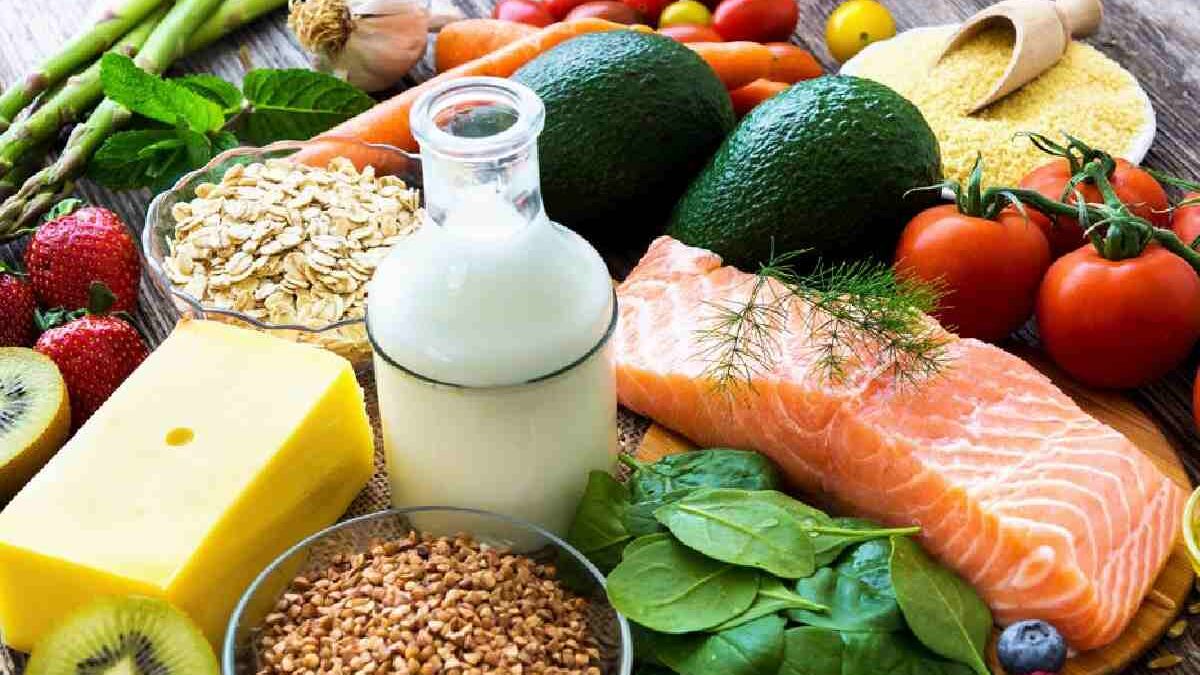
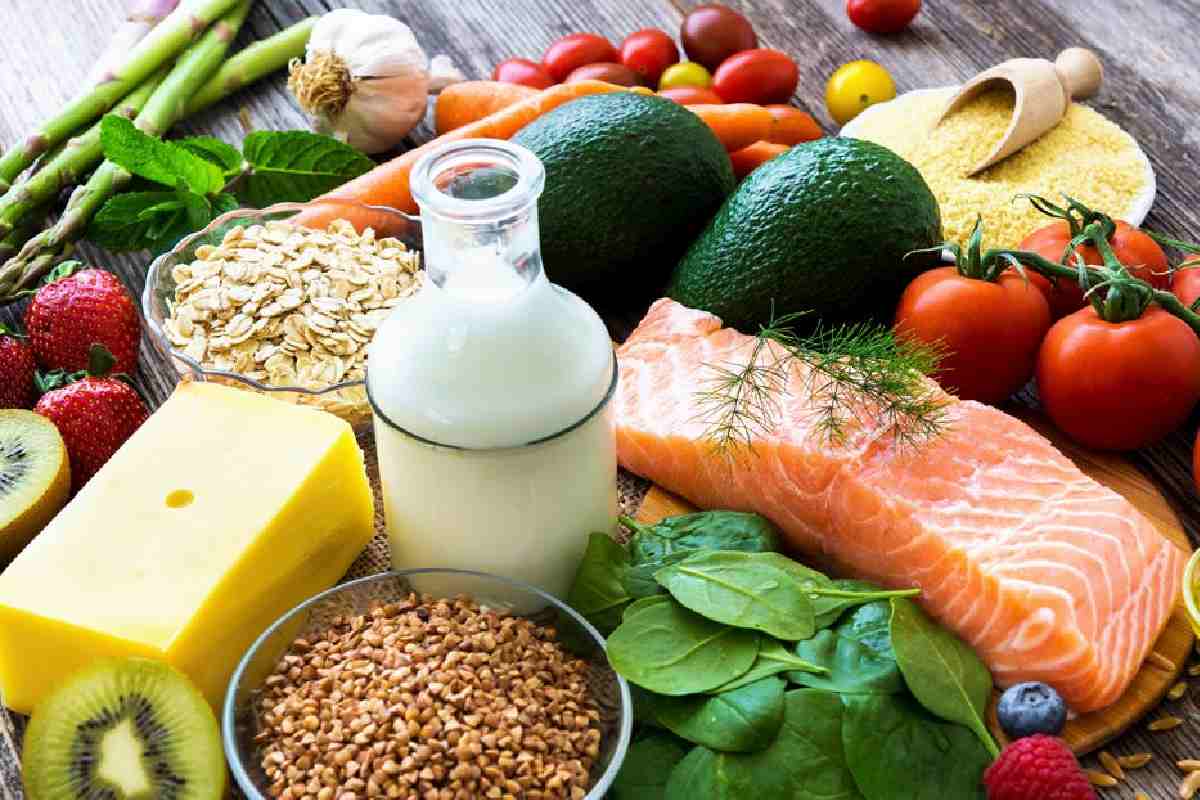
Food beneficial for health is a foods that provide essential nutrients and help the body function better, stay strong, and prevent diseases.
This article belongs to Healthy Foods
Nutritional Overview
| Food | Calories | Health Benefits |
|---|---|---|
| Blueberries | 57 | Antioxidants protect cells |
| Avocado | 160-322 | Improves heart health, lowers bad cholesterol |
| Kale (cooked) | 30 | Boosts immunity, bone health |
| Salmon (cooked wild) | 182 | Heart and brain protection |
| Oats (rolled, dry) | ~389 | Lowers cholesterol, stabilizes blood sugar |
Basic Recommendations On Food
- Review habits indicates, the first thing is to review our daily routines to be aware of our relationship with food.
- Avoid ultra-processed foods and ensure that fresh products predominate. Start with this advice from the moment you make the purchase.
- Avoid overconsumption of products that contain a lot of sugar as well as refined flours like industrial pastries.
- Rather, use healthy fats, including olive oil.
- Keep hydrated, take water and infusions, and do not take sugary soft drinks excessively.
- Eat numerous types of fruits and vegetables, the so-called five servings a day.
- Eat fish (primarily blue), and lower-fat meat, such as chicken.
- Have a regular routine on the major meals.
- Do not eat quickly and chew food slowly.
- Eat-in a relaxed and calm atmosphere, and with people, we feel comfortable.
- Avoid miracle diets and, in general, all those not recommended by medical specialists
Healthy food is respectable or advantageous for health or that provides it. The body works based on vitamins, minerals, and multiple substances and also nutrients supplied by food. But they are not only necessary to carry out daily activities. But a correct food selection and planning can prevent numerous diseases and conditions that, in many cases, are produced precisely due to the intake of unhealthy foods and bad habits, such as smoke or consuming alcohol.
Disease Prevention Table
| Food/Group | Preventive Role |
|---|---|
| Red fruits/veggies | Lowers heart disease, stroke, prostate/breast cancer risk |
| Orange/yellow produce | Reduces heart disease/inflammation |
| Green leafy veggies | Prevents cancer, supports bone/immunity |
| Fatty fish | Protects heart/brain |
| Whole grains/legumes | Lowers cholesterol, blood sugar |
| Nuts/seeds, avocados | Improves cholesterol, blood pressur |
| Blue/purple produce | Enhances brain/memory |
Food Beneficial for Health
Fruit
Fruit is a food that must not be absent from any healthy diet since most of the vitamins needed daily come from it. Although two examples are usual forth here, any choice of this type of product is beneficial.
Vegetables
Vegetables have been regarded as one of the examples of healthy food that must not be absent in meals. Nevertheless, it is the green leafy vegetables which contain the most components of vitamins and other nutrients.
Cereals and Legumes
Cereals and legumes have always played a prominent role in the history of food, thanks to their low production cost and their nutritional benefits ( they provide energy while being low in fat ).
Foods containing vitamins and other nutrients to your body.
Almond
Different analysts assume that almonds are one of the most nutritious foods in the world as well as they contain a lot of nutrients, like magnesium, vitamin E, iron, calcium, fiber and riboflavin.
Broccoli
Although not very popular, broccoli provides the body with fiber, calcium, potassium, folic acid and phytonutrients thus reduces the possibility of contracting heart disease, diabetes and certain forms of cancer.
Blue Fish
Oily fish such as sardines, herring, salmon, etc. do contain some health advantages as their tissues are rich in omega-3 fatty acids which have positive influence upon the heart or the nervous system. In addition to this, they provide vitamin D and A.
Spinach
Spinach is a good source of antioxidants especially when it is eaten raw, steamed or fried in a small portion of boiled water.
For more information about nutrient-rich choices, you can also explore these beneficial foods as part of a balanced eating pattern.
Immune-Boosting Foods
| Food | Key Nutrients/Components | Immune Impact |
|---|---|---|
| Citrus fruits (e.g., oranges) | Vitamin C | Boosts white blood cell production to fight infections |
| Red bell peppers | Vitamin C (higher than citrus), beta-carotene | Enhances antioxidant defense and skin/eye health |
| Broccoli | Vitamins C/K, sulforaphane, fiber | Increases infection-fighting ability |
| Garlic | Allicin, sulfur compounds | Boosts T-cells |
| Spinach | Vitamin C, beta-carotene, antioxidants | Strengthens infection resistance |
| Yogurt (probiotic) | Probiotics, protein | Supports gut microbiome, key to 70% of immunity |
| Almonds | Vitamin E, healthy fats | Regulates immune response |
| Turmeric | Curcumin | Reduces inflammation |
| Green tea | Antioxidants (EGCG), polyphenols | Improves T-cell function |
| Fatty fish (e.g., salmon) | Omega-3s, vitamin D | Increases white blood cell activity |
Which food is good to our bodies?
As we have already alluded to, the idea is to eat a diet that is high in vegetables and legumes, fruit, fish, white meat, pasta, rice, nuts and olive oil.
The other extra element of the Mediterranean diet is its utilization of products in season, cooking method, and other priceless elements such as persons who share meals or pleasure moments with.
Seasonal fruits and vegetables
Watermelon and tomatoes in summer; tangerines and squash in the fall; oranges and cabbage in winter; strawberries and asparagus in spring. Ask the market and take what the season of the year is.
Chickpeas
The chickpeas contain potassium, fiber, vitamin B6 and vitamin C. These are beneficial in maintaining the health of the heart by reducing the cholesterol level in the blood.
Pistachios (as well as all types of nuts)
Pistachios are good in fats, they are vegetarian sources of proteins, they are good in fiber, they are good to the heart and their eyesight is protected as well as they are suitable like in cases where anemia is experienced.
Sardines (and bluefish)
Sardine is a fish with oily nature which is defined by quality proteins that prevent cholesterol.
Chicken (and other white chicken)
Chicken meat is a source of high protein and virtually fat free.
Oatmeal (and low-absorbing cereals)
It is a cereal that is made of fiber; therefore, it leaves one satisfying faster, improves digestion, helps in improving defenses and reduction of bad cholesterol.
Infusions
There are them for all tastes. They fight with cold and give relaxation and sleep and hydration.
Dark Chocolate
Moderate consumption of dark chocolate has various benefits and it can be taken to satisfy some of the sweet tooth desires.
Choosing organic options can also be part of a broader approach to food quality, including organic food in cafes and restaurants and understanding why organic food is better for your health.
Foods and Mental Health Benefits
| Food/Group | Key Nutrients/Components | Mental Health Impact |
|---|---|---|
| Fatty fish (e.g., salmon) | Omega-3 fatty acids (EPA/DHA) | Reduces depression symptoms |
| Berries (e.g., blueberries) | Antioxidants | Lowers oxidative stress |
| Leafy greens (e.g., spinach) | B vitamins (folate), magnesium | Aids neurotransmitter production |
| Nuts/seeds (e.g., almonds, walnuts) | Magnesium, vitamin E, healthy fats | Regulates mood |
| Yogurt/fermented foods | Probiotics | Enhances gut microbiome |
| Whole grains (e.g., oats) | B vitamins, fiber | Stabilizes blood sugar |
| Dark chocolate | Flavonoids | Elevates endorphins |
| Legumes (e.g., lentils, beans) | Folate, protein, fiber | Supports serotonin synthesis |
Energy and Performance Foods
| Food | Key Nutrients/Components | Impact on Energy/Performance |
|---|---|---|
| Bananas | Carbs, potassium, vitamin B6 | Quick energy release |
| Oats/whole grains | Complex carbs, fiber, B vitamins | Sustained energy without crashes |
| Eggs | Protein, B12, vitamin D | Boosts muscle repair and reduces fatigue |
| Fatty fish (salmon) | Omega-3s, protein, iron | Enhances oxygen delivery |
| Nuts/seeds (almonds) | Healthy fats, magnesium, protein | Steady energy |
| Sweet potatoes | Complex carbs, vitamin A, fiber | Long-lasting fuel for workout |
| Beans/legumes | Carbs, protein, fiber, iron | Prevents energy dips |
| Greek yogurt | Protein, probiotics | Promotes muscle recovery |
| Berries | Carbs, antioxidants | Reduces oxidative stress |
| Leafy greens (spinach) | Iron, magnesium, folate | Fights anemia-related fatigue |
Longevity-Promoting Foods
| Food/Group | Key Components | Long-Term Health Benefits |
|---|---|---|
| Berries (e.g., blueberries, strawberries) | Antioxidants, polyphenols | Slows cellular aging |
| Leafy greens (e.g., spinach, kale) | Fiber, vitamins A/C/K, nitrates | Supports heart health, telomere length |
| Legumes (e.g., beans, lentils, chickpeas) | Protein, fiber, folate | Lowers mortality |
| Whole grains (e.g., oats, quinoa, barley) | Fiber, B vitamins | Increases life expectancy |
| Nuts/seeds (e.g., almonds, walnuts, chia) | Healthy fats, vitamin E, magnesium | Promotes heart/brain health |
| Fatty fish (e.g., salmon, sardines, limited) | Omega-3s | Enhances cardiovascular longevity |
| Fermented foods (e.g., yogurt, kimchi) | Probiotics | Boosts gut microbiome |
| Olive oil/avocados | Monounsaturated fats, antioxidants | Mediterranean staple |
Consensus Recommendations
| Recommendation | Key Guidance | Supporting Rationale |
|---|---|---|
| Prioritize fruits/vegetables | 5+ servings daily; variety of colors | Provides fiber, vitamins, antioxidants |
| Choose whole grains | Over refined grains; e.g., oats, quinoa | Stabilizes blood sugar, supports gut/heart health |
| Limit added sugars | <10% calories; avoid sugary drinks | Reduces obesity, diabetes, heart disease |
| Reduce sodium/processed foods | <2,300mg/day; minimize ultra-processed items | Lowers blood pressure, inflammation |
| Include varied proteins | Plant-based (beans, nuts), fish, lean meats; 1.2-1.6g/kg body weight | Supports muscle, satiety |
| Use healthy fats | Olive oil, avocados, nuts; limit saturated <10% | Improves cholesterol, reduces CVD risk |
| Moderate dairy | Full-fat options emphasized; 2-3 servings | Provides calcium, protein |
Conclusion
One cannot deny the importance of a healthy diet food (as any other healthy lifestyle behavior, e.g., physical activity and sleep) to remain healthy. The scholars consider that the Mediterranean diet is the base of a healthy diet and they are in agreement with the fact that there is no necessity to follow any miracle diet.
For general guidance on maintaining a balanced and healthy diet, the World Health Organization provides recommendations on healthy eating patterns.