
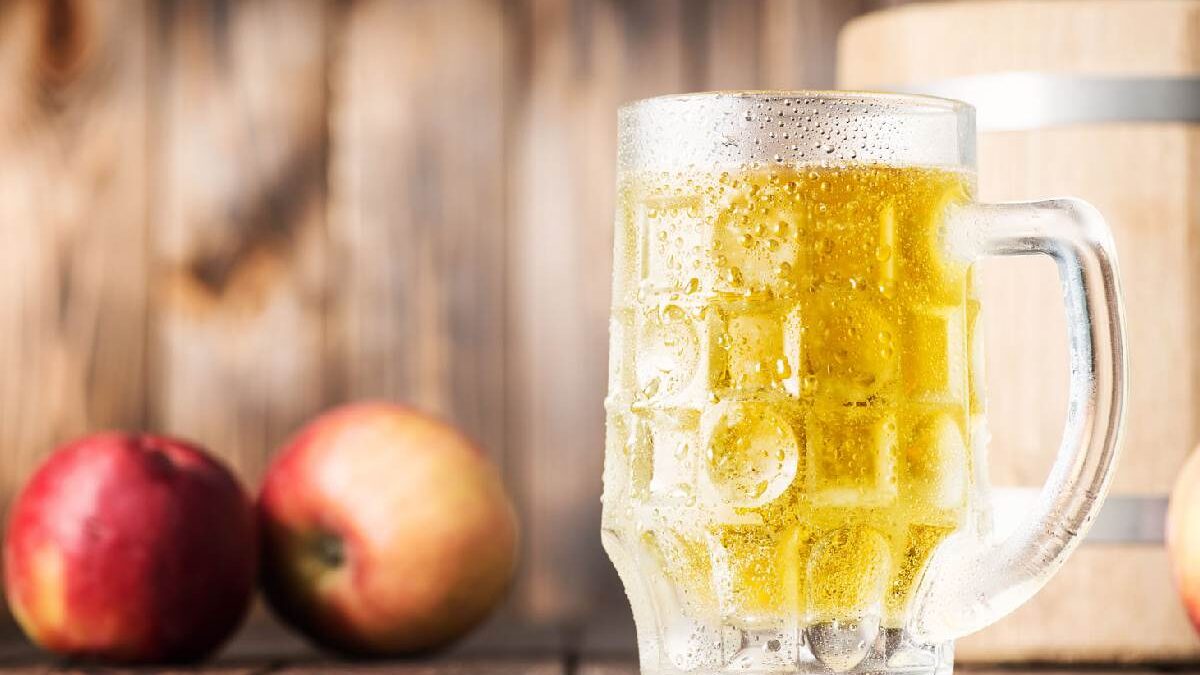
Glassware Important for Homegrown Ciders and Brews
Visualize a crisp fall day at the veranda, the lights of lanterns creating a romantic atmosphere as you got your latest batch of apple cider—made from apple that had dropped by the wind-for neighbors sitting around the fire pit. Would drinking it from a mason jar be the same as from a tulip glass? Science says no, and your taste buds will be grateful if you listen to them.
In homestead entertaining, glassware is not a snobbish thing; it is a way of raising your homegrown works—ciders from the orchard, herbal infusions from the garden, or wild-fermented brews from the barn. This manual reveals how the shape, the material, and the temperature of the glass can change a daily drink into a memorable one with some useful picks for your farmhouse table.
Table of Contents
The Science Behind Glass Shape: Aromas, Swirl, and Your Homestead Brews
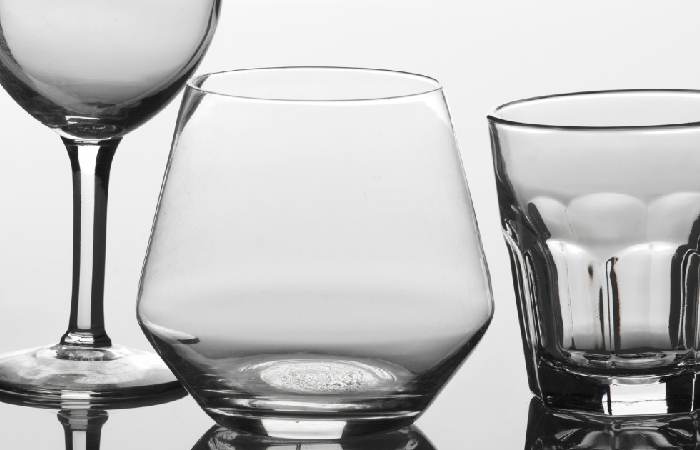
Glassware is like a flavor amplifier. The narrow rims hold the volatile aromas (those 80% of the taste are the main factors), the wide bowls allow you to swirl to let the esters from the fermentation get to the air, and the stems prevent the glass from getting warm due to your hand. The homegrown drinks in which the subtle notes like the earthiness of the orchard or the brightness of the herb can be easily discerned, the appropriate glass will make a huge difference.
- Aroma Concentration: Tulip forms direct the aroma to the nose—very important for complex ciders with apple skin tannins.
- Oxygen Exposure: Large goblets expose to air strong brews, thus yeast’s bite in young ales gets softened.
- Mouthfeel Delivery: Tightly fitting lips help to deliver the liquid to those parts of the tongue which are capable of sensing; flared rims touch the backside for balancing bitterness.
- Homestead twist: Upcycle thrift-store finds or create your own from recycled bottles (kits from $50).
Research by University of California suggests that wines served in different glasses get 20-30% higher scores in blind tests.
How Glass Shape Influences Taste: Core Mechanisms
| Mechanism | Effect on Taste |
| Aroma concentration | Narrow rims trap aromas, enhancing flavor |
| Liquid flow rate | Controls which taste receptors activate first |
| Temperature retention | Thicker glass slows warming |
| Surface area exposure | Affects oxidation and aroma release |
| Mouthfeel | Rim thickness alters tactile perception |
Perfect Glassware for Your Homegrown Apple Cider
Nothing is more homestead than the one that comes from your own trees—tart Granny Smiths, honey-sweet Goldens, or crabapples for making a puckering dry product. Whether fresh-pressed or fermented, glassware serves as a key that unlocks different layers from floral esters to barrel oak (if aged in old whiskey casks).
Top Picks & Why They Work:
| Cider Style | Ideal Glass | Key Benefits | Tasting Notes Enhanced |
| Dry Still Cider | Classic Tumbler (8-10 oz) | Wide mouth for apple crispness | Green apple, mineral stone |
| Sparkling Cider | Flute or Tulip Champagne | Bubbles retained, aromas focused | Effervescence, pear blossom |
| Spiced Mulled | Heatproof Mug or Snifter | Retains warmth, traps cinnamon vapor | Clove, orange peel, vanilla warmth |
| Barrel-Aged | Burgundy Stemmed Goblet | Swirl aerates tannins | Vanilla, toast, dried fig |
Pro Tip: Cool still cider to 45°F in the fridge; sparkling rite be at 40°F. Swirl gently—your McIntosh meadow notes pop.
Quick Recipe: Homestead Hard Cider (5 gallons)
Ingredients: 5 gal fresh apple juice (no preservatives), 1 campden tablet, 1 packet ale yeast, 1 cup brown sugar (optional sweet).
Process: Sanitize carboy, crush campden for wild yeast kill, pitch yeast day 2. Ferment 2 weeks primary, 4 weeks secondary at 60°F. Bottle with priming sugar for fizz. ABV ~6%. Glass it in a tulip to savor that funky farmhouse finish. (ScienceDirect)
Types of Cocktail Glasses
Different cocktail glasses are designed to optimize specific drink characteristics by controlling aroma release, temperature, and mouthfeel.
Types of Cocktail Glasses and Their Sensory Impact
| Glass Type | Shape Characteristics | Taste Impact | Best Used For |
| Martini Glass | Wide bowl, narrow stem | Enhances aroma, sharp sip | Martinis |
| Coupe Glass | Rounded bowl | Softens bitterness | Champagne cocktails |
| Highball Glass | Tall, straight sides | Preserves carbonation | Gin & tonic |
| Lowball (Rocks) | Short, wide | Enhances mouthfeel | Whiskey cocktails |
| Nick & Nora | Small, narrow | Concentrates aroma | Spirit-forward drinks |
| Hurricane Glass | Curved, large bowl | Boosts aroma & sweetness | Tropical cocktails |
Elevating Herbal Infusions and Garden Teas
Your herb garden is capable of producing infusions that are as good as fine liquors—lavender-chamomile calmers, mint-lemon balm refreshers, or nettle-rosehip tonics full of vitamins. Here heat and shape are the most important: Wide containers cool quickly, stems are for hands that love the hotness.
Recommended Glasses:
| Infusion Type | Best Glassware | Serving Temp & Ritual | Flavor Boost |
| Fresh Mint Tea | Highball or Collins (12 oz) | Iced over crushed ice from the churn | Cooling menthol, citrus zing |
| Chamomile-Lavender | Stemmed Tea Cup or Small Snifter | Hot (175°F), inhale steam first | Honeyed floral, calming earth |
| Nettle-Rosehip | Insulated Mason or Tumbler | Room temp, shaken with honey | Tart berry, green vitality |
| Spiced Hibiscus | Large Wine Goblet | Chilled, muddled with berries | Cranberry tang, cinnamon warmth |
DIY Recipe: Lavender Cider Spritz
1/4 cup of dried lavender + 2 lemons (zested/sliced) are to be steeped in 1 qt of boiling water for 10 min. After that, strain it into 1 gal cider and chill. Add seltzer to the flutes to serve.
Glassware ritual: The first thing you do is sniff the rim—the herbals burst.
Safety: Use lead-free glass; do not use plastic that absorbs flavors.
Glassware for Homemade Brews: From Kitchen Ales to Barn Beers
Wild yeast sourdough starter of yours is a magic for brewing—gruit ales with foraged yarrow or smoked porters from malt floors. Hoppy IPAs from vining hops require narrow necks to concentrate the bitterness; stouts remain “made” for imperial pints with their creamy head.
Brew-Specific Guide:
Brew Style Go-To Glass Technique Standout Notes
Farmhouse Saison Tulip or Teku (13 oz) Swirl vigorously Peppery yeast, orchard fruit
Smoked Porter Imperial Pint or Mug Slow sip, warm hands on glass Campfire, chocolate, roasted malt
Hoppy Session IPA IPA Glass (metric 0.5L) Pour fast for foam collar Citrus burst, pine resin
Wild Mead Goblet or Chalice Gentle swirl for honey legs Floral honey, tannic depth
Beginner Brew Recipe: No-Boil Farm Ale (1 gal)
Ingredients: 3 lbs pale malt extract, 1 oz cascade hops, your sourdough yeast, spices (coriander/grains of paradise).
Process: Hops are to be steeped for 30 min in 1 gal water, extract is to be stirred in, the mixture is to be cooled to 70°F, and yeast is to be added. Ferment for 10 days. Bottle. Serve in tulips to capture that bread-crust aroma.
Hosting Tips: Farmhouse Table Setup and Pairings
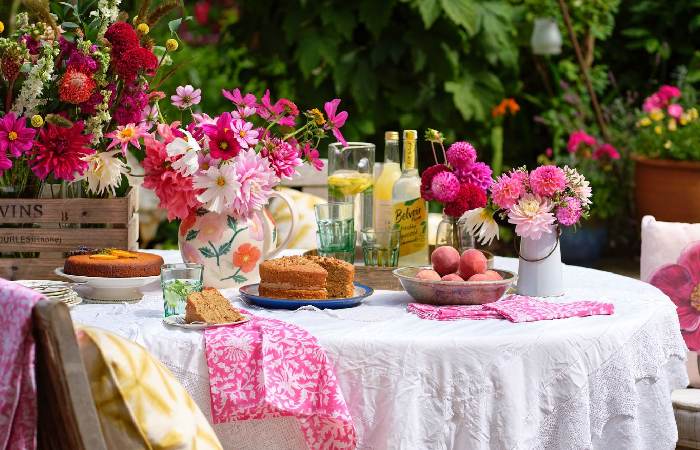
Without the trouble, elevate the gatherings. The thrifted mismatched glasses can be mixed for a rustic charm—label them with chalkboard tags (“Crabapple Cider”). Put them out in trays with tasting cards: “Sniff. Swirl. Sip. Savor.”
Pairing Chart for Homestead Feasts:
| Drink | Glass | Pair With |
| Dry Cider | Tumbler | Sharp cheddar, apple pie |
| Herbal Infusion | Highball | Scones, lemon curd |
| Spiced Brew | Snifter | Venison sausage, gingerbread |
| Sparkling Spritz | Flute | Fresh berries, shortcake |
Keep whites/ciders cool in a zinc tub with ice; warm up ales by the hearth. Pro hosting hack: Wooden boards are for pre-pouring flights (3 oz each) and for easy passing. Entertain 8-12 effortlessly.
Carbonation & Glass Shape Research
| Glass Shape | Carbonation Retention |
| Narrow, tall | High |
| Wide, shallow | Low |
| Etched base | Improved bubble formation |
Glass Thickness and Thermal Behavior
Thermal conductivity determines how quickly your drink changes temperature.
| Glass Type | Thickness | Effect |
| Thin-walled | Low | Quick temperature transfer (best for cold drinks) |
| Thick-walled | High | Retains temperature longer |
| Double-walled | Insulated | Ideal for hot/cold stability |
Practical Insight:
For cider tasting, thin glass is preferred to maintain crispness, whereas thick mugs suit warm brews. (Beer & Brewing)
Glassware and Fermentation Chemistry
Glass is preferred in fermentation because it is:
- Non-reactive (does not leach chemicals)
- Non-porous (does not absorb flavors)
- Stable across pH ranges (important for acidic ciders and brews)
Compared materials:
| Material | Reactivity | Flavor Impact |
| Glass | None | Neutral |
| Plastic | Moderate | Absorbs odors |
| Metal | High (in some cases) | Alters taste |
Sustainability and Eco-Friendly Glassware
Glass aligns well with homestead values due to:
- 100% recyclability
- Infinite reuse without quality loss
- Low chemical interaction
Sustainable Practices:
- Upcycling bottles into glasses
- Buying second-hand glassware
- Avoiding synthetic coatings
Pricing Guide
| Category | Quantity | Estimated Cost |
| Tumblers | 6 | ₹600 – ₹1,500 |
| Tulip glasses | 6 | ₹1,200 – ₹3,000 |
| Flutes | 4 | ₹800 – ₹2,000 |
| Snifters | 4 | ₹1,000 – ₹2,500 |
| Highball glasses | 6 | ₹900 – ₹2,000 |
Total Setup Cost: ₹4,500 – ₹11,000
Caring for Your Glassware Collection
Do the handwashing in hot soapy water—dishwashers are for etching rims. For the shine, use white vinegar. When it comes to storage, place stems in dividers; put tumblers one on top of another, but with felt protectors in between.
Homestead bonus: Vintage jars are great as planters in between parties.
The homegrown creations of yours are in need of glassware that respects them. This harvest try experiments—blind taste your cider in a jar vs. tulip and feel the difference. It’s not just about the taste; it’s about the story that remain poured into every glass.