
Your cat isn’t just being “difficult” when they bolt under the bed during thunderstorms, hide from guests, or tremble at vet visits. They’re experiencing genuine, physiological fear—a survival response hardwired into their nervous system. While fear protects cats in the wild, in our homes it manifests as hiding, aggression, inappropriate elimination, or destructive behavior that strains the human-animal bond. This comprehensive guide moves beyond superficial tips to explore the neuroscience of feline fear, teaching you to decode subtle stress signals, implement evidence-based calming techniques, and create an environment where your cat feels genuinely secure.
Table of Contents
Understanding the Feline Fear Response: It’s Not Just “Being Scared”
Fear in cats exists on a spectrum from mild apprehension to full-blown panic, triggering the “fight, flight, freeze, or fawn” response. Unlike humans, cats cannot rationalize that the vacuum cleaner isn’t a predator. Their amygdala (the brain’s fear center) activates instantly, releasing stress hormones like cortisol and adrenaline that can take days to leave their system. This means a single scary event can leave your cat in a heightened state of anxiety long after the threat is gone.
Common Fear Triggers in Domestic Cats:
-
Environmental: Loud noises (thunder, fireworks, construction), new furniture, unfamiliar scents
-
Social: New people, other animals, children, previous trauma
-
Situational: Carrier and car rides, vet visits, grooming, changes in routine
-
Medical: Pain, illness, or sensory decline (hearing/vision loss) that creates vulnerability
Decoding the Language of Fear: What Your Cat’s Body Really Says
Cats communicate fear through subtle, often missed signals long before they hiss or run. Learning this body language is your first tool in prevention.
Early Warning Signs (Mild Anxiety):
-
Ears: Rotated sideways or back (“airplane ears”)
-
Eyes: Dilated pupils, even in light; slow blinking stops
-
Tail: Low or tucked tightly; twitching or thumping tip
-
Body: Crouched position, tense muscles, leaning away
-
Vocalization: Unusual silence or low-intensity murmurs
Active Fear Signs (Immediate Intervention Needed):
-
Ears: Flattened against head
-
Eyes: Fully dilated, staring, or avoiding eye contact
-
Body: Arched back, piloerection (hair standing up), turned sideways to appear larger
-
Vocalization: Growling, hissing, yowling
-
Behavior: Hiding, freezing in place, or sudden aggression
The Calming Toolkit: Evidence-Based Strategies
1. Environmental Mastery: Create a Fear-Free Home
Cats need control. Provide it through:
-
Vertical Space: Cat trees, shelves, and perches. Height = safety.
-
Hiding Options: Multiple, accessible hideaways (covered beds, boxes, tunnels). Never pull a cat from hiding.
-
Safe Room: A quiet, low-traffic sanctuary with all resources (food, water, litter, bed) for decompression.
-
Routine: Feed, play, and interact at consistent times. Predictability reduces anxiety.
-
Scent Soothing: Use synthetic feline pheromones (Feliway Classic) in diffusers or sprays. These mimic “happy” facial pheromones.
2. Desensitization & Counter-Conditioning: The Gold Standard
This behavioral technique changes emotional responses.
-
Desensitization: Gradually expose your cat to the fear trigger at very low intensity. Example: For carrier fear, leave carrier out with treats inside, then move it slightly, then touch it, etc., over weeks.
-
Counter-Conditioning: Pair the scary thing with something wonderful. Thunder happens? Immediately offer a high-value treat (chicken, tuna). The goal: “Thunder = chicken” not “Thunder = danger.”
Protocol for Noise Phobias (Fireworks/Thunder):
-
Prepare a Safe Space in an interior room days in advance.
-
Use White Noise (fan, calming music like “Through a Cat’s Ear”) to mask sudden sounds.
-
Act Normal: Your anxiety reinforces theirs. Read a book or watch TV calmly.
-
Offer High-Value Treats or Play if they show interest, but don’t force interaction.
-
Never Punish or Comfort Excessively: Both can reinforce fearful behavior.
3. The Power of Choice & Positive Associations
-
Let Them Initiate Contact: Extend a finger for sniffing; let them approach first.
-
Respect Boundaries: If they walk away, let them.
-
Make “Scary Things” Positive: Place treats near carriers, groom with gentle brushes followed by play, handle paws gently while giving tuna.
4. Nutrition & Supplement Support
-
Stress-Reducing Diets: Some prescription foods (e.g., Royal Canin Calm, Hill’s c/d Stress) contain tryptophan, alpha-casozepine, and other calming nutrients.
-
Supplements: Consult your vet about:
-
L-theanine: Amino acid that promotes relaxation
-
GABA: Neurotransmitter support
-
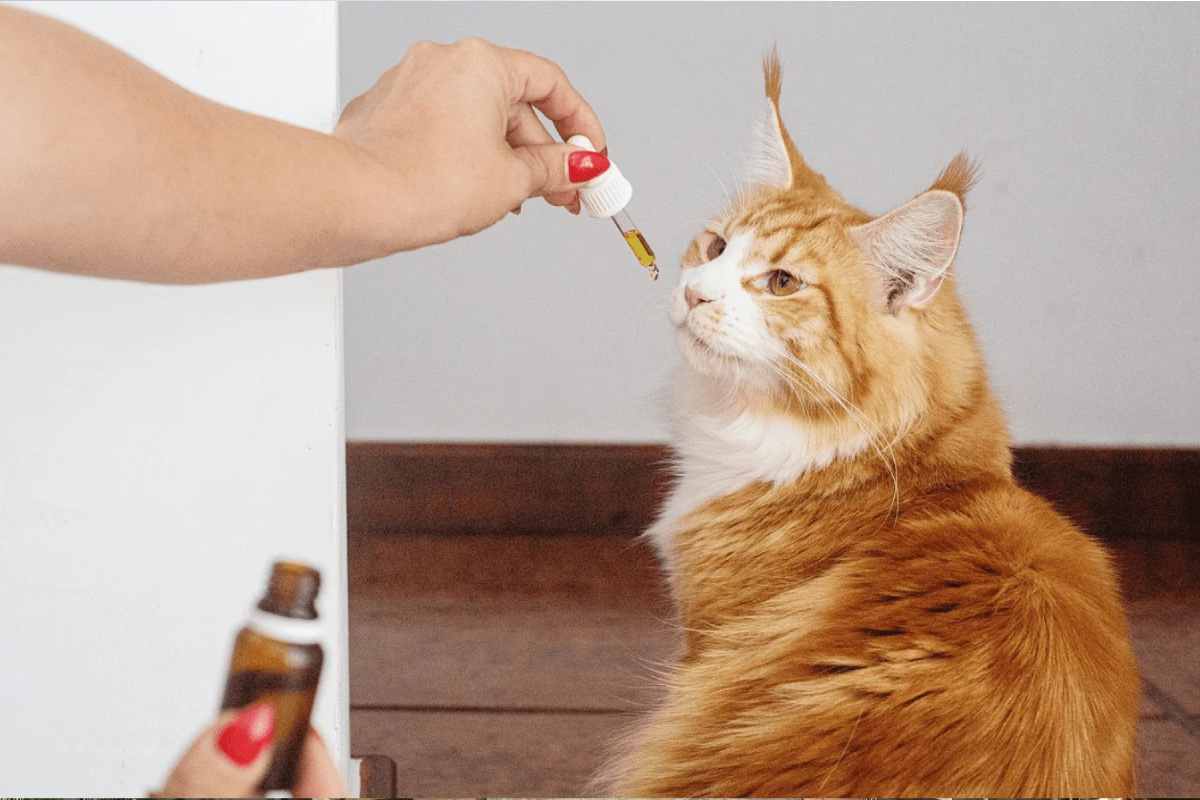
CBD Oil: Emerging evidence for anxiety (use only veterinarian-recommended, pet-specific products)
-
Handling Specific Fear Scenarios
Vet Visit Terror:
-
Carrier Training: Make carrier a permanent bed, not a prison. Feed meals near/in it.
-
Pre-Vet Medication: Ask your vet about gabapentin or trazodone for pre-appointment sedation.
-
Fear-Free Certified Vet: Seek clinics certified in low-stress handling.
-
At Home: Practice gentle restraint and touching ears/paws/mouth with treats.
Fear of Guests:
-
Provide an Escape: Ensure cat has access to their safe room before guests arrive.
-
Guest Education: Ask guests to ignore the cat—no staring, reaching, or following.
-
Scent Introduction: Let guests leave an unwashed sock or cloth in the home beforehand.
Inter-Cat Fear/Conflict:
-
Re-introduce as Strangers: Separate, then slowly reintroduce using scent swapping and visual barriers.
-
Multiple Resources: Provide extra litter boxes, food stations, and perches to reduce competition.
When to Seek Professional Help: Red Flags
Some fears require expert intervention. Contact a Certified Cat Behavior Consultant (IAABC) or Veterinary Behaviorist if:
-
Fear leads to aggression toward people or pets
-
Your cat stops eating, drinking, or using the litter box
-
Anxiety causes self-mutilation (overgrooming to baldness)
-
Your household is becoming severely restricted (e.g., can’t have guests, use appliances)
-
Always Rule Out Medical Causes First: Hyperthyroidism, arthritis, dental pain, and neurological issues can mimic or exacerbate anxiety. A full veterinary workup is step one.
What NOT to Do: Common Mistakes That Worsen Fear
❌ Flooding: Forcing exposure until they “get over it.” This traumatizes and intensifies fear.
❌ Punishment: Yelling, spraying, or startling. This associates you with the fear.
❌ Restraint/Cuddling During Fear: This removes escape options and can trigger defensive aggression.
❌ Inconsistent Responses: Sometimes comforting, sometimes ignoring. Confusion increases anxiety.
✅ Do: Be a calm, predictable presence. Provide safe options. Let fear subside at their pace.
Building Long-Term Confidence
Confidence is fear’s antidote. Build it through:
-
Interactive Play: Daily wand toy sessions simulate hunting success. Let them “catch” the toy.
-
Food Puzzles: Engage their brain and provide rewarding challenges.
-
Clicker Training: Teach simple tricks (“sit,” “touch”). Learning builds confidence and strengthens your bond.
-
Controlled Exploration: For timid cats, gradually expand access to new rooms with positive reinforcement.
A Note on Medication
For severe, debilitating anxiety, medication prescribed by a veterinarian can be life-changing. It’s not a “last resort” but a tool to lower anxiety enough for behavioral techniques to work. Common options include SSRIs (like fluoxetine) or situational medications like gabapentin.
Conclusion: Patience, Not Perfection
Calming feline fears is a journey of patience and observation, not a quick fix. Progress is measured in small victories: a few more seconds near the window, taking a treat during a quiet storm, greeting you without immediately hiding. By understanding the world through your cat’s sensory experience and providing safety, predictability, and positive choices, you’re not just managing symptoms—you’re helping rewrite their emotional responses. Start today by simply observing: what subtle signs of anxiety is your cat showing right now? Your awareness is the first step toward their comfort.