
Last Updated: September 4, 2026
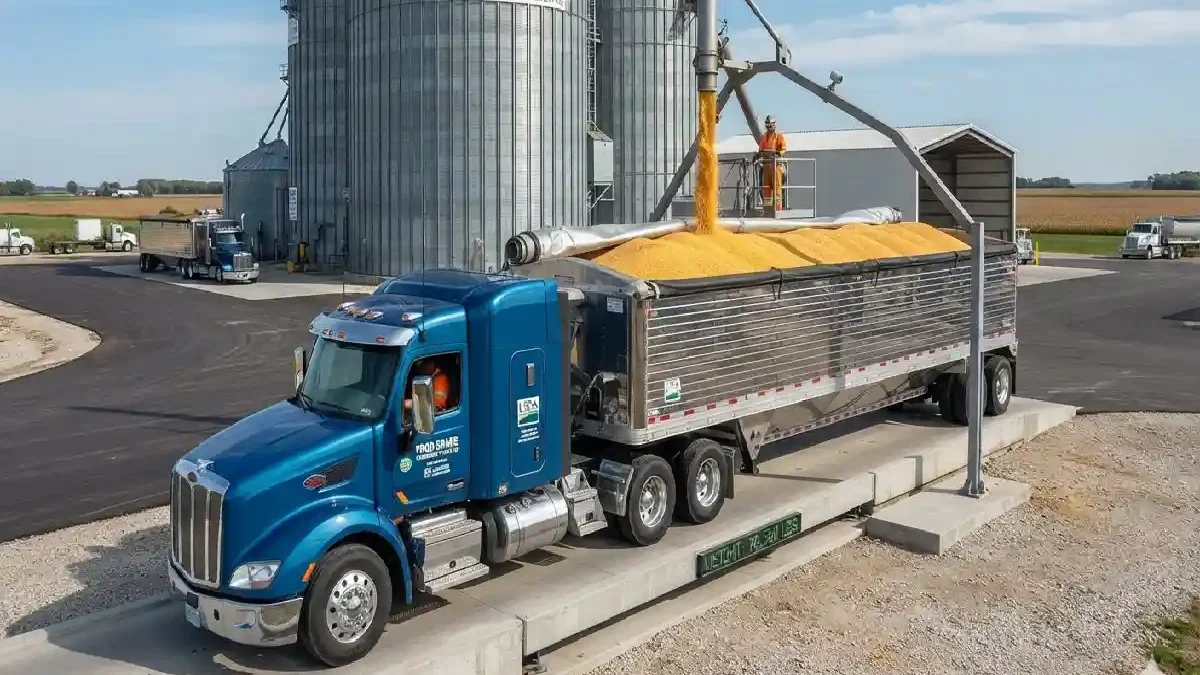
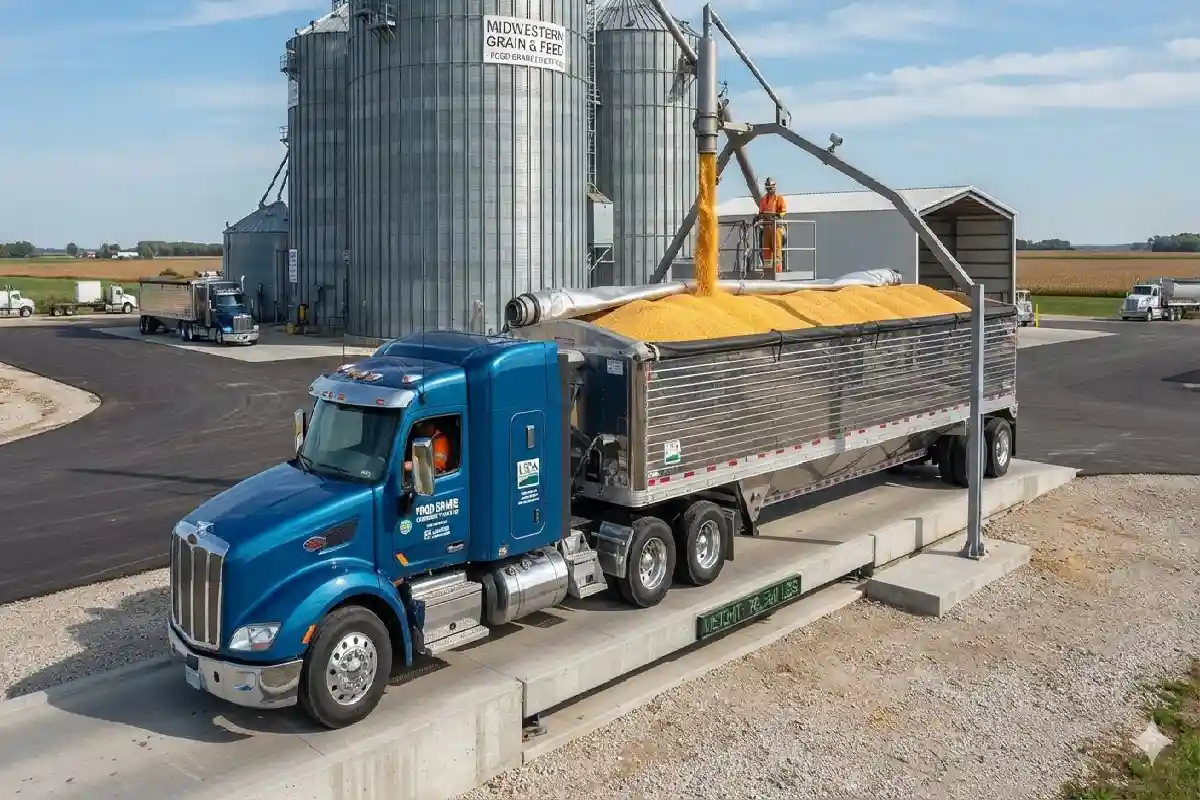
Most rejected loads are rejected not because of the state of the crop at the farm, but because of what happened in the trailer before the load was ever hauled. Spoilage and contamination of a load are not random or bad luck. They are almost all the time the result of missing several simple, yet specific steps from one load to the next.
This article belongs to Pets & Rural Life
Table of Contents
The Trailer’s Last Load Is Your Biggest Risk
Every bulk trailer carries a history, and that history follows it straight into the next load. It might look clean, but a few leftovers from the last haul of treated seed, fertilizer, or feed can be enough to contaminate a shipment of food-grade grain riding along behind it.
Residue works its way into seams, ridges, and corners that a quick glance just won’t catch. That’s why the prior-load check can’t happen two days after the trailer’s already gone somewhere else – it has to happen before the trailer ever leaves your yard. Your dispatcher and your drivers should be able to tell a customer what the last three loads in that hopper were, not just the most recent one.
Moisture Is What Actually Starts The Spoilage Clock
Contamination might get more attention, but moisture is what actually turns a clean load into a rejected one. Just a few gallons of water carrying chemical residue or remnants of a previous load can contaminate an entire bin. More insidious is grain that’s moist but not wet enough to be sticky – it can already show the telltale dark bloom of mold growing on its surface.
The fix is less glamorous but just as important: sweep the last load out, wash only when strictly necessary, and check with a moisture probe to confirm the trailer is completely dry before loading starts. Pneumatic trailers are especially prone to wetting during cleanout, since the fines found in so many stored crops get blown into the trailer’s pipes by the airstream.
Live-bottom trailers clear out wet, sticky material more effectively than pneumatic trailers, but they can hide washout residue. Even a belt that looks clean but is still damp can add enough moisture to tip grain into mold-growth territory.
Compliance Isn’t Optional Anymore
The FDA’s Sanitary Transportation of Human and Animal Food rule, which was finalized in 2016 under FSMA and applied as of April 2017, made cleaning documentation a legal requirement for food-grade hauling rather than something that is nice to have. Bulk containers are explicitly included in the rule. Washout logs and previous-cargo records aren’t the type of paperwork that’s just floating out there – it’s the sort of paperwork that regulators and customers are increasingly expecting from anyone in the business of moving food-grade crops.
Both shippers and elevator managers should be requesting these records before a truck has ever pulled into the lot to get loaded. If a carrier can’t come up with a washout log or a prior-load history when you ask for it, that simple lack of capacity to provide the records should be seen as a red flag.
Choosing The Right Hauling Partner Solves Problems Most Farms Can’t Fix Alone
Not every farm or elevator has a washout station on-site. Not every operation has the labor to conduct a line-item check on every load, or to hunt down the last three loads that came in the trailer now waiting to be filled. That’s the slack that spot-market trucking can’t take up. A driver that comes off a load board isn’t going to stop to document prior cargo or check to see if the beans are really dry or hay was fully cured or question an odor that lingers before they pull out of your driveway.
This is what agricultural trucking companies collect a premium for. Many producers and elevators use them because they are on a regular maintenance schedule. They do keep washout logs. They have provided their drivers with materials describing contamination risks. They will even fax or email you the last three things that they hauled in that trailer if you request it.
Tarping And Temperature Swings Create Hidden Wet Spots
A load can leave the farm bone dry and still show up with a wet top layer – nine times out of ten, the tarp’s to blame. If there’s a decent temperature swing between loading and unloading, you get condensation forming right where the tarp touches the grain, and it slowly soaks into the top of the load. You won’t see it until the truck’s actually unloaded, and by then the top few inches can be discolored or even caked together.
Seals and venting are honestly one of the most overlooked parts of this whole business. Seal the tarp too tight and you make the condensation problem worse. Seal it too loose and now you’re letting rain in – and if the driver’s not paying attention, debris too. Then there’s the haul length and however long the truck sits dead at a scale or elevator waiting its turn. All that dead time is more time for the load to heat up, pick up moisture, or let something in before anyone with authority even cracks the trailer doors open.
The Checklist That Catches What Your Eyes Miss
Allergen residue, off-odors, and pest activity don’t always show up on a casual walk-around. A trailer can look clean and still get rejected at the elevator because of peanut, soy, or wheat residue trapped in a seam. That’s why the final safeguard needs to be a written checklist, not a gut call.
A solid pre-load and post-load inspection covers color, odor, moisture, visible residue, and signs of pest activity, line by line, every time. It takes a few extra minutes. Weigh that against the cost of a rejected load: the crop value, the labor to reload, demurrage charges, and a buyer who now double-checks every future shipment from that source.
The Math Always Favors Prevention
The cost of one load rejection far exceeds the savings you might get from avoiding a washout or two, or by cutting a few corners on your pre-trip inspections. If you compromise the quality of your grain, you risk damaging the next load you carry. And you also risk damaging the relationships you have with the buyers of that grain.
None of this requires expensive equipment or a bigger crew – just a habit of treating every trailer like it’s about to carry your most important shipment, because eventually it will. The operators who build that discipline into their routine are the ones who don’t have to think twice when a buyer asks for their food-safety records.
For farms and rural operations where working dogs are part of daily life, fluffy dog breeds can also play an important role around the homestead. Proper care and safe handling remain important, especially when active working dogs are part of the operation; resources on TPLO surgery worth it for dogs can provide additional information for owners dealing with canine mobility concerns. Where dogs and cats share the same rural environment, calming feline fears can also help owners understand how to create a more comfortable setting for household pets.