
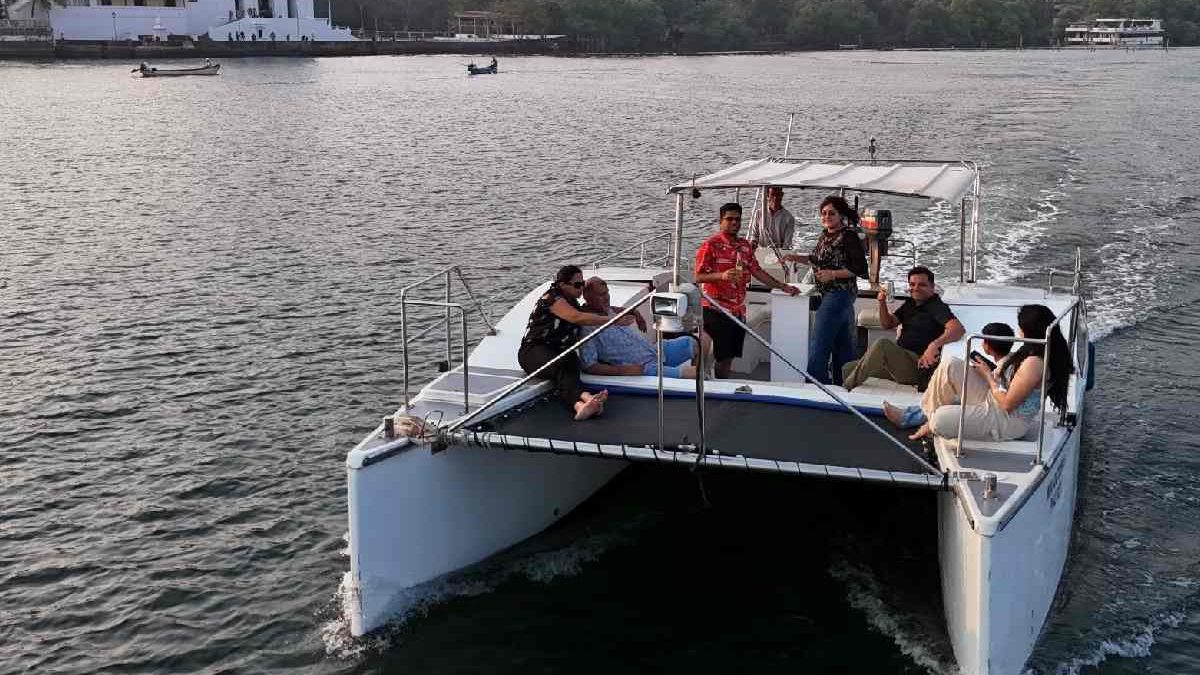
Searching for “the best place to buy boats near me” means you’re likely standing at the exciting crossroads between dream and reality. Whether you envision weekend fishing trips, family cruises, or watersports adventures, finding the right vessel from the right source is crucial—and surprisingly complex. This comprehensive guide serves as your trusted first mate, navigating you through every possible channel: from local dealerships and brokers to national marketplaces and private sellers. We’ll provide actionable strategies for finding reputable sources in your area, red flags to avoid, and insider tips to ensure your investment brings years of enjoyment, not regret. Let’s set sail on your buying journey.
Table of Contents
Understanding Your Buying Channels: Pros, Cons & Best For
The “best” place to buy depends entirely on your budget, boat type, experience level, and risk tolerance. Here’s how each channel breaks down.
1. Local Boat Dealerships: The Guided Experience
Best For: First-time buyers, new boats, warranty seekers, and those wanting full service.
What You Get:
-
New & Pre-Owned Inventory: Curated selection, often with recent trade-ins
-
Expertise & Guidance: Sales teams (should) know their products thoroughly
-
Financing & Insurance: Streamlined in-house or partnered solutions
-
Service Department: Established relationship for future maintenance and repairs
-
Warranties: Manufacturer warranties on new boats; sometimes certified pre-owned programs
How to Find Reputable Local Dealers:
-
Google Maps & Reviews: Search “boat dealers near me” but dig deep. Look for businesses with 100+ reviews and a 4.0+ rating. Read the negative reviews carefully—how do they respond?
-
Brand-Specific Searches: Know your target brand (e.g., Boston Whaler, Yamaha, Sea Ray). Go to the manufacturer’s website and use their “Find a Dealer” tool. This guarantees authorized status.
-
Marina Affiliations: Many marinas have onsite dealerships or can recommend trusted partners. Their reputation is tied to their referrals.
-
Boat Show Connections: Dealers at major shows are often the region’s top performers.
Key Questions to Ask a Dealer:
-
“Are you an authorized dealer for [Brand]? For how long?”
-
“What does your pre-delivery inspection (PDI) include?”
-
“Can you provide references from recent customers?”
-
“What is your service department’s typical lead time?”
2. Boat Brokers: The Matchmaking Specialists
Best For: Buying pre-owned (especially larger vessels), complex transactions, or when you lack time/expertise.
What They Do: Brokers act as intermediaries, representing either buyer or seller (or sometimes both). They handle listings, showings, surveys, sea trials, negotiations, and paperwork.
Advantages:
-
Access to Unlisted “Pocket Listings”: The best boats often sell via broker networks before hitting public sites.
-
Negotiation Expertise: They can often secure better prices and navigate tricky terms.
-
Transaction Management: They coordinate the labyrinth of documentation, surveyors, and sea trials.
Finding a Reputable Broker:
-
Certifications Matter: Look for members of the Yacht Brokers Association of America (YBAA) or Certified Professional Yacht Broker (CPYB) credentials.
-
Specialization: Find a broker who specializes in your desired boat type (sail, trawler, center console, etc.).
-
Local Knowledge: A broker based in your target cruising area knows local market values, regulations, and surveyors.
3. Online Marketplaces: The Digital Superhighway
Best For: Research, comparison shopping, finding specific models, and private sales.
Top Platforms & Their Niches:
-
BoatTrader: The industry giant. Excellent for both dealer and private listings. Robust filters and generally higher-quality listings.
-
YachtWorld: The premier site for larger yachts and sailboats. Primarily broker listings, which adds a layer of vetting.
-
Facebook Marketplace: A treasure trove for deals on smaller boats and trailers, but proceed with extreme caution. High scam risk.
-
Craigslist: Still active for small, budget boats. The rule is: local, in-person, cash-only transactions.
Online Buying Pro-Tips:
-
Reverse Image Search: Use Google Lens or TinEye to check if listing photos are stolen from other ads.
-
VIN/HIN Check: For any powered vessel, run the Hull Identification Number. Services like BoatHistoryReport.com can reveal theft, damage, or lien history.
-
Never Wire Money: Use secure escrow services for large transactions.
4. Private Sellers: The Potential for Best Value
Best For: Experienced buyers, those with mechanical knowledge, and bargain hunters.
The Opportunity: Cutting out the middleman can mean significant savings.
The Risks: No warranties, “as-is” sales, and potential for hidden issues.
How to Vet a Private Seller:
-
Meet at Their Home/Marina: A legitimate seller will have the boat at a permanent location.
-
Ask for Maintenance Records: A meticulous owner keeps logs, receipts, and service records.
-
Use a Purchase Agreement: Even in private sales, use a standardized bill of sale. The American Boat & Yacht Council (ABYC) offers templates.
The Non-Negotiable Steps Before You Buy (Regardless of Source)
A boat is not a car. These steps are your essential insurance policy.
1. The Marine Survey: This is an inspection conducted by a licensed marine surveyor. It’s a condition report on the hull, systems, engine, and safety. For any boat over $20,000 or for financing/insurance, this is mandatory. Cost: $20-$30 per foot. It’s worth every penny.
-
How to find one: National Association of Marine Surveyors (NAMS) or Society of Accredited Marine Surveyors (SAMS) directories.
2. The Sea Trial: You must operate the boat under load on the water. Test all systems: electronics, engines at full RPM, trim, steering, and handling. A seller/dealer refusing a sea trial is a major red flag.
3. The Engine Inspection: For inboard/outboard engines, a mechanic should perform a compression test and diagnostic check. For outboards, many mechanics can do a mobile inspection.
Geographic & Seasonal Buying Strategies
-
The “Snowbird” Advantage: Buy in Florida in late spring/early summer when seasonal residents are selling before heading north. Sell in the fall when northern buyers are looking for winter boats.
-
Freshwater vs. Saltwater: A freshwater boat (from lakes/rivers) typically has less corrosion and wear than a saltwater boat of the same age. This affects value and longevity.
-
End-of-Season Deals: In northern climates, buying in September/October can yield discounts as sellers avoid winter storage fees. Just factor in immediate storage costs.
Red Flags That Should Send You to the Nearest Exit
-
Pressure to Act Fast: “Another buyer is coming tonight” is a classic tactic.
-
No Paper Trail: Missing registration, incomplete service history, or a vague ownership story.
-
Refusal of Survey/Sea Trial: Any pushback here means they’re hiding something.
-
Too-Good-To-Be-True Pricing: If it’s priced 30% below market, it’s likely a scam or has major hidden damage.
-
Payment Oddities: Requests for wire transfers, gift cards, or payments to a “third party.”
Your Local Buying Action Plan
-
Define Your Needs: Fishing, cruising, watersports? Size, budget, new/used?
-
Research Online: Use BoatTrader/YachtWorld to see what models fit and their market prices.
-
Identify Local Sources: Map out authorized dealers (via manufacturer sites) and highly-rated brokers.
-
Make Contact & Visit: Go in person. A dealership’s organization and service bay tell you about their professionalism.
-
Execute Due Diligence: Never skip the survey and sea trial.
-
Close Securely: Use financing/escrow as appropriate. Ensure all title and registration paperwork is correct for your state.
Conclusion: Cast Off with Confidence
The “best place to buy a boat near you” isn’t a single pin on a map—it’s the source that combines the right boat, honest representation, and supportive post-sale service for your specific situation. For most first-time buyers, a reputable local dealership offers the safest harbor. For seasoned boaters seeking a specific pre-owned model, a specialized broker or a well-vetted private sale might be the perfect course.
Your Next Step: Start your search not with “buy,” but with “research.” Immerse yourself in the online marketplaces to educate yourself on prices and models. Then, use the vetting strategies here to approach local sellers with confidence. The water is waiting, and with this guide in hand, you’re ready to find the vessel that will deliver a sea of memories.