

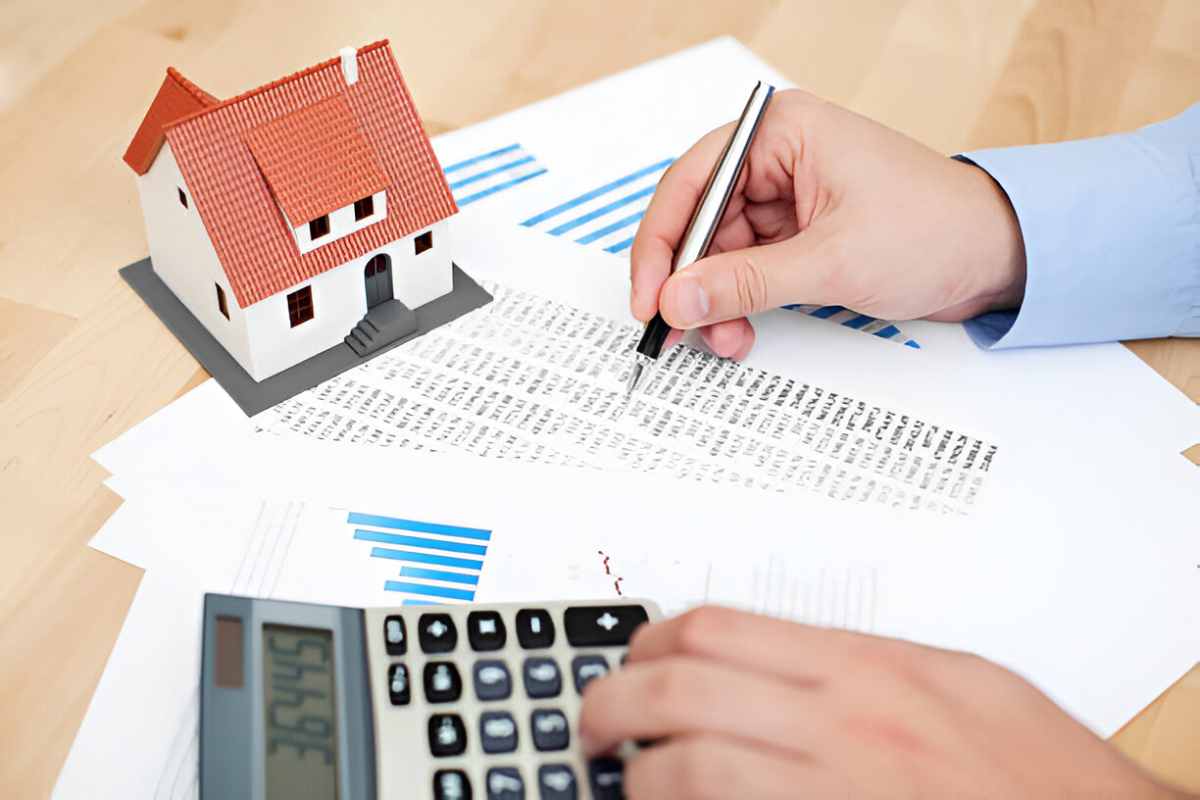
A home loan deposit is the portion of the property price you pay from your own savings before the bank gives you a home loan.
Banks do not usually finance 100% of a property’s value.
Example:
- Property price: ₹50 lakh
- Bank loan (80%): ₹40 lakh
- Your deposit (20%): ₹10 lakh
Table of Contents
Benefits of Paying a Higher Deposit
| Benefit | How It Helps You |
| Lower Loan Amount | You borrow less from the bank, reducing overall debt |
| Reduced Monthly EMI | Smaller loan amount means lower EMIs, easing monthly finances |
| Lower Total Interest | Interest is calculated on a lower principal, saving lakhs over the loan tenure |
| Higher Loan Approval Chances | Banks view you as a low-risk borrower |
| Better Interest Rates | Some lenders may offer preferential interest rates |
| Faster Loan Repayment | Lower principal helps you close the loan earlier |
| Lower Financial Stress | Reduced debt brings better long-term financial stability |
| Higher Equity in Property | You own a larger share of the property from day one |
| Improved Credit Profile | Easier repayments help maintain a strong credit score |
| Protection During Market Downturns | Higher equity reduces risk if property prices fall |
What a Home Loan Deposit Does NOT Cover
| Expense Type | Details |
| Stamp Duty Charges | Government tax paid for property registration; varies by state |
| Registration Fees | Legal fee for registering the property in your name |
| GST (Under-Construction Property) | GST applicable on under-construction homes (not on ready-to-move) |
| Legal & Documentation Fees | Charges for legal verification and paperwork by bank or lawyer |
| Processing Fees | One-time bank fee for processing the home loan |
| Maintenance / Society Charges | Advance maintenance or sinking fund demanded by builder/society |
| Parking Charges | Cost of covered or open parking space, if charged separately |
| Interior & Furnishing Costs | Modular kitchen, wardrobes, lighting, furniture, etc. |
| Home Insurance Premium | Property insurance (mandatory in some cases) |
| Utility Connection Charges | Electricity, water, gas connection and meter charges |
| Brokerage / Agent Fees | Real estate broker commission (if applicable) |
| Moving & Setup Costs | Shifting, painting, basic repairs, and setup expenses |
Set a Realistic Savings Goal
You must know how much you need before you begin saving. The deposit needed by most lenders is at least 5-20 percent of price of property. A 5% deposit could be more realistic, but trying to deposit 20% or higher will ensure that you do not have to pay Lenders Mortgage Insurance (LMI) costing you thousands on your loan.
E.g. in case of a property worth 600,000, a 20 per cent deposit of a house means 120,000, and 10 per cent deposit of a house means 60,000. One of the best methods to know how much you require (and how much you can save in a short time is to talk to a mortgage broker in Melbourne). Those can assist you in knowing your borrowing strength, loan facilities, as well as impacts of varying amounts of deposits on your repayments.
Typical Deposit Benchmarks
| Property Price | 10% Deposit Required | 20% Deposit Required |
| ₹30 lakh | ₹3 lakh | ₹6 lakh |
| ₹40 lakh | ₹4 lakh | ₹8 lakh |
| ₹50 lakh | ₹5 lakh | ₹10 lakh |
| ₹60 lakh | ₹6 lakh | ₹12 lakh |
| ₹75 lakh | ₹7.5 lakh | ₹15 lakh |
| ₹1 crore | ₹10 lakh | ₹20 lakh |
Track Your Expenses and Cut Unnecessary Spending
How to save towards a home loan deposit in record time. You can easily guess that you do not have extra money to save until you get to know where your money goes. Begin with checking your bank statements over the past few months. You can be surprised at how much money you are spending on such things as takeout, subscriptions or making impulse purchases.
One can reduce by cutting simple things like:
- Home cooking rather than eating out.
- Checking your subscriptions and unsubscribing to the subscriptions you are not using.
- Saving money with cashback applications or loyalty programs on daily spending.
- Negotiating the reduction of bills on electricity, internet, and insurance.
Even small adjustments can add up over time, getting you closer to your deposit goal faster.
| Expense Category | Common Unnecessary Spending | Practical Cost-Cutting Action | Potential Monthly Savings |
| Food & Dining | Frequent dining out, food delivery apps | Limit outings, cook at home more often | ₹3,000–₹8,000 |
| Subscriptions | Unused OTT, apps, software | Cancel or downgrade plans | ₹500–₹2,000 |
| Transport | Excessive fuel use, cab dependence | Use public transport, carpool | ₹2,000–₹6,000 |
| Shopping | Impulse online purchases | Apply 24-hour purchase rule | ₹2,000–₹7,000 |
| Utilities | High electricity, water wastage | Use energy-efficient habits | ₹1,000–₹3,000 |
| Entertainment | Frequent paid events, premium plans | Reduce frequency, choose free options | ₹1,000–₹4,000 |
| Lifestyle Upgrades | Frequent gadget or fashion upgrades | Delay non-essential upgrades | ₹2,000–₹6,000 |
Automate Your Savings
Automating saving is one of the best methods of remaining consistent in saving. Arrange a direct deposit out of your paycheck into another high-interest savings account that is used in your deposit. In so doing, you eliminate the temptation to spend and save last.
Some banks even offer bonus interest rates if you regularly deposit money into your account without withdrawals. This can help your savings grow faster with minimal effort.
Best Options for Deposit Savings
| Savings Instrument | Risk Level | Liquidity | Typical Returns (Annual) | Ideal Use Case |
| High-Interest Savings Account | Very Low | Very High | 3%–6% | Parking funds with instant access |
| Recurring Deposit (RD) | Low | Medium | 5%–7% | Disciplined monthly saving |
| Fixed Deposit (Short-Term) | Low | Medium | 6%–7.5% | Lump-sum deposit accumulation |
| Liquid Mutual Fund | Low–Moderate | High | 6%–8% | Flexible surplus investment |
| Ultra Short-Term Debt Fund | Low–Moderate | Medium | 6.5%–8.5% | Slightly higher return with short horizon |
| Treasury Bills (T-Bills) | Very Low | Medium | 6%–7% | Capital protection-focused investors |
Home Loan Deposit (Down Payment) – Country-Wise Table
| Country | Typical Deposit Required | Loan-to-Value (LTV) | Notes |
| India | 10% – 25% | Up to 75–90% | Based on RBI norms and property value |
| USA | 3% – 20% | Up to 80–97% | FHA loans allow lower down payments |
| UK | 5% – 25% | Up to 75–95% | First-time buyers may get 5–10% deals |
| Canada | 5% – 20% | Up to 80–95% | Mortgage insurance required below 20% |
| Australia | 10% – 20% | Up to 80–90% | <20% usually needs LMI insurance |
| New Zealand | 20% – 40% | Up to 60–80% | Stricter for investors |
| Germany | 20% – 30% | Up to 70–80% | High upfront costs including taxes |
| France | 10% – 20% | Up to 80–90% | Strong income stability required |
| Singapore | 5% – 25% | Up to 75–95% | Depends on HDB vs private property |
| UAE | 15% – 25% | Up to 75–85% | Higher deposit for expats |
| Japan | 10% – 20% | Up to 80–90% | Low interest but strict approval |
| South Africa | 10% – 20% | Up to 80–90% | Credit profile heavily matters |
Boost Your Income – How to Build Your Savings for a Home Loan Deposit in Record Time
Reducing costs is a good idea, but there is an even simpler way to achieve the deposit target: earn more money. The following are some of the ways to generate additional funds:
- Freelancing or taking up a side job such as tutoring, pet sitting or online jobs.
- Reselling products one does not desire such as clothes, electronics, or furniture.
- Requesting an increase in salary or a promotion at your present work.
- Accepting additional shifts when there is an opportunity.
A few additional hundreds of dollars a month can go a long way towards a home savings.
Impact Example
| Extra Monthly Income | Savings Period | Total Additional Deposit Accumulated |
| ₹5,000 | 24 months | ₹1.2 lakh |
| ₹10,000 | 24 months | ₹2.4 lakh |
| ₹20,000 | 24 months | ₹4.8 lakh |
| ₹30,000 | 24 months | ₹7.2 lakh |
| ₹40,000 | 24 months | ₹9.6 lakh |
| ₹50,000 | 24 months | ₹12 lakh |
Reduce Your Debt Before Saving
In the event that you still have some outstanding credit card balances, personal loans or car loans, then it would be easier to save by first clearing them off. When lenders give you a home loan they will look at your debt to income ratio and thus the less debts you have the better your chances of obtaining a mortgage.
In case you are dealing with many debts, it is better to consolidate these loans into a less expensive loan or pay off the most expensive debt first. When you are out of debts, you can also push back the repayments into your home deposit funds.
| Type of Debt | Typical Interest Rate | Why It Should Be Prioritized | Recommended Action |
| Credit Card Dues | 30%–45% | Extremely high interest erodes savings faster than returns | Pay off immediately, stop revolving balance |
| Personal Loans | 12%–24% | High EMI reduces monthly saving capacity | Prepay aggressively if penalties are low |
| Consumer EMIs (gadgets, appliances) | 10%–18% | Non-essential debt with depreciation | Close or consolidate where possible |
| Payday / Short-Term Loans | 24%–36% | Severe cash flow stress | Eliminate first |
| Education Loans | 7%–10% | Lower interest, possible tax benefits | Continue regular EMIs |
| Home Loan (existing) | 8%–10% | Asset-backed, tax-efficient | Do not prepay unless surplus is high |
Take Advantage of Government Grants and Assistance
The government in Australia offers a number of grants and incentives to first-home buyers which can make the purchase of a home cheaper. You may be in a position to:
- Use First Home Owner Grant (FHOG), which is a financial aid on the purchase of your first home.
- Employ the First Home Guarantee Scheme whereby you do purchase but on a lower deposit without LMI.
- Avoid taxing claim stamp duty, depending on which state you make the purchase.
Investigating what aid is in place may go a long way in minimizing the sum you will save.
Keep Your Savings Where Your Smart Head Can Find them
It may not be a good idea to leave your savings in any regular transaction account. Instead, consider:
- A savings account with high interest rate that you can get interest on your deposit.
- A term deposit, where you can lock your money away over a period of time, so it will not be so easy to spend.
- As your savings horizon is longer, you can invest in low-risk investments (ETFs or bonds).
A mortgage broker in Sydney can also give you some advice on how to manage your savings and work out your finances prior to the acquisition of a home loan.
| Savings Option | Risk Level | Liquidity | Typical Returns (Annual) | Best Use for Deposit Savings |
| Regular Savings Account | Very Low | Very High | 2%–4% | Temporary holding, emergency access |
| High-Interest Savings Account | Very Low | Very High | 3%–6% | Parking deposit with quick access |
| Recurring Deposit (RD) | Low | Medium | 5%–7% | Disciplined monthly contributions |
| Short-Term Fixed Deposit | Low | Medium | 6%–7.5% | Lump-sum deposit storage |
| Liquid Mutual Fund | Low–Moderate | High | 6%–8% | Flexible surplus allocation |
| Ultra Short-Term Debt Fund | Low–Moderate | Medium | 6.5%–8.5% | Slight return enhancement with short horizon |
| Treasury Bills (T-Bills) | Very Low | Medium | 6%–7% | Capital protection-focused savers |
Common Mistakes to Avoid
| Common Mistake | Why It’s a Problem | Potential Impact |
| Keeping deposit funds in volatile investments | Market fluctuations can erode capital | Deposit shortfall or delayed purchase |
| Underestimating total purchase costs | Stamp duty, registration, and legal fees are ignored | Last-minute funding gap |
| Saving without automation | Manual saving is inconsistent | Slower deposit accumulation |
| Ignoring credit score health | Poor credit reduces loan eligibility | Higher interest rate or loan rejection |
| Maintaining high-interest debt | EMIs consume saving capacity | Reduced monthly surplus |
| Lifestyle inflation during saving phase | Expenses rise with income | Deposit goal keeps moving |
| Not separating deposit savings | Funds get mixed with daily expenses | Accidental spending |
| Overestimating borrowing capacity | Assumed loan amount may not be approved | Property mismatch |
Consider Alternative Living Arrangements
If rent is taking up a big chunk of your income, finding ways to cut housing costs could speed up your savings. Some options include:
- Moving back in with family (if possible) to save on rent.
- Renting with housemates to split costs.
- House-sitting to live rent-free for short periods.
Even making a temporary change for one or two years can help you hit your deposit target much faster.
| Living Arrangement | How It Reduces Costs | Typical Monthly Savings | Key Considerations |
| Living with Parents | Eliminates or reduces rent and utilities | ₹10,000–₹30,000 | Privacy trade-off, family dynamics |
| Sharing Accommodation | Splits rent and utilities | ₹5,000–₹15,000 | Compatibility with roommates |
| Relocating to Lower-Rent Area | Lower housing and living costs | ₹5,000–₹20,000 | Commute time, lifestyle change |
| Employer-Provided Housing | Rent subsidized or free | ₹8,000–₹25,000 | Job dependency |
| Renting a Smaller Unit | Reduced rent and maintenance | ₹4,000–₹12,000 | Limited space |
| House-Sitting / Caretaking | Minimal or zero rent | ₹10,000–₹25,000 | Temporary, availability-dependent |
Stay Focused and Keep Adjusting
Home deposit saving is a long-term process, and roadblocks are to be expected in between the journey. It is only necessary to remain motivated and plan accordingly. When an extra amount of money comes in the form of a bonus, tax refund or some other form of sudden money, save it directly in the savings rather than spending it.
The motivation can be achieved by keeping track of your progress and breaking down your goals into small steps such as hitting $10,000, then $20,000.
Accepted Sources for Home Loan Deposit
| Source of Funds | Bank Acceptance Status | Notes / Conditions |
| Personal Savings | ✅ Fully Accepted | Should be from verifiable bank accounts |
| Fixed Deposits (FDs) | ✅ Accepted | FD may need to be liquidated before disbursal |
| Mutual Funds / Shares | ✅ Accepted | Redemption proof required |
| Employee Provident Fund (EPF) | ✅ Accepted | Subject to EPF withdrawal rules |
| Public Provident Fund (PPF) | ✅ Accepted | Partial withdrawal allowed after lock-in |
| Gifts from Immediate Family | ✅ Accepted | Gift deed / declaration usually required |
| Sale Proceeds of Property | ✅ Accepted | Sale agreement and bank trail required |
| Gratuity / Retirement Benefits | ✅ Accepted | Proof of credit required |
| Employer Assistance | ✅ Accepted | Must be non-repayable and documented |
| Agricultural Income / Savings | ⚠️ Conditionally Accepted | Proper income proof required |
Conclusion
It does not need to take a lifetime to save towards home loan deposit. You can achieve your goal even sooner by reducing running costs, raising your revenue, and getting assistance in the form of government grants. In case you are not sure how much you have to save and what kind of deposit to open is most appropriate to you, another option will be to discuss your further actions with a mortgage broker in Melbourne.
Home ownership may appear unachievable yet with proper planning you will have keys to your new home than you think.