
Last Updated: September 9, 2026
Coconut butter is having a moment, moving from health food aisles into mainstream pantries. But what is this creamy, rich substance? Is it just hardened coconut oil? A sweet spread? A dairy-free baking secret? The answer is all of the above. More than just a “versatile delight,” coconut butter is a unique, whole-food ingredient made from pureed coconut meat, offering a distinct texture, flavor, and nutritional profile. This guide cuts through the confusion, explaining exactly what coconut butter is, how to use it beyond toast, why it’s good for you, and how to make your own with just one ingredient.
This article belongs to Lifestyle & Wellness
Table of Contents
What Exactly Is Coconut Butter? (It’s Not What You Think)
Let’s clarify the most common point of confusion. Coconut butter is not the same as coconut oil, milk, or cream.
- Coconut Butter: Made from the entire dried coconut meat (copra) ground into a smooth, thick paste. It contains the oil AND the fibre. Think of it as the coconut’s version of peanut butter.
- Coconut Oil: Made by extracting just the oil from the coconut meat, leaving the fibre behind. It’s 100% fat.
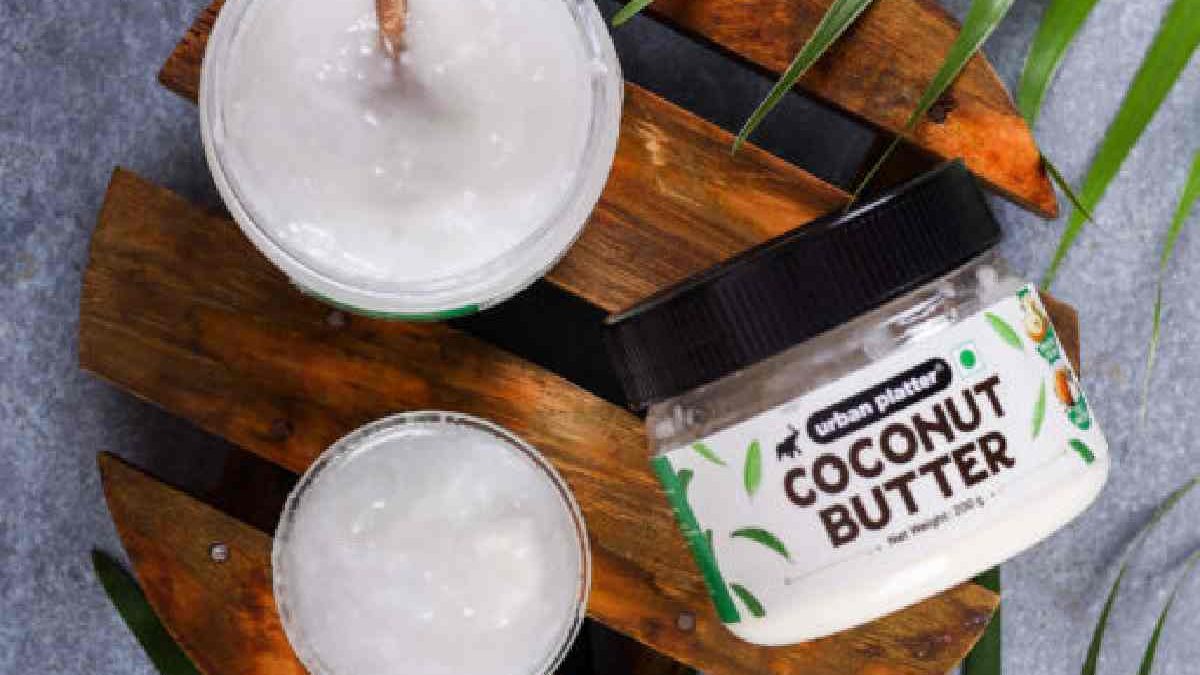
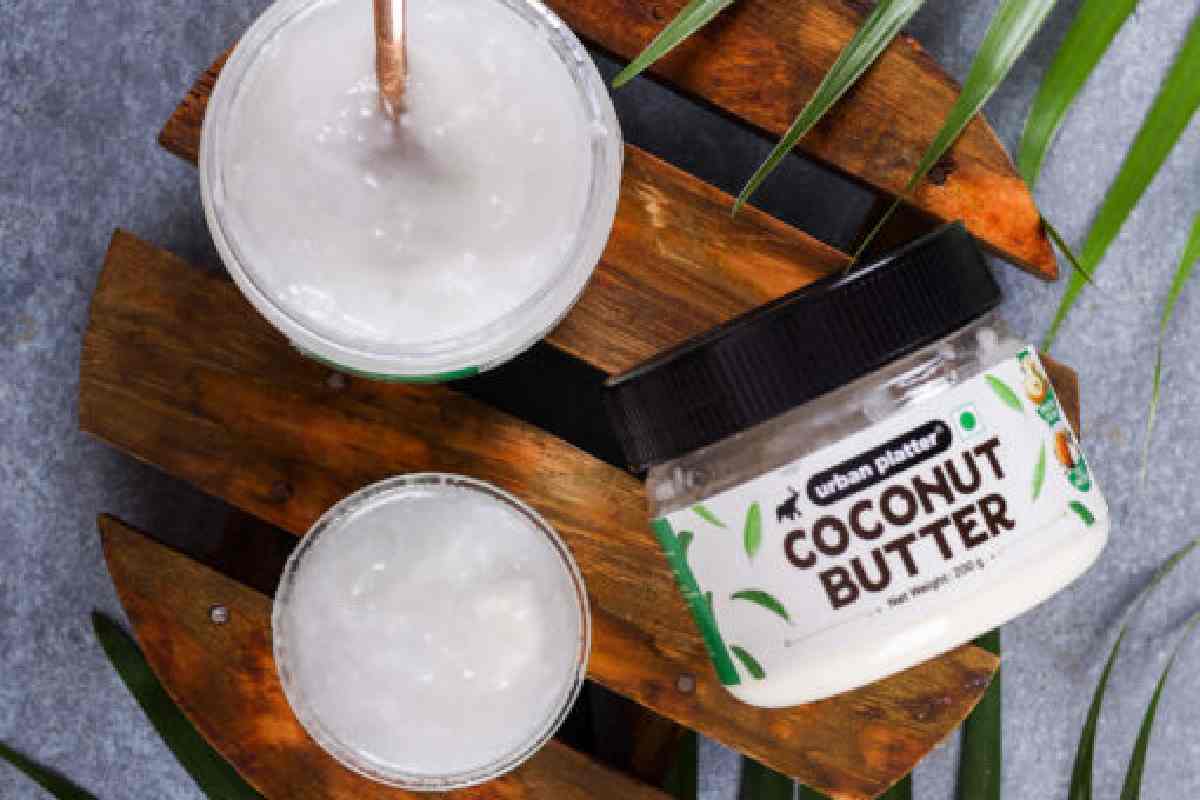
- Visual Difference: Coconut butter is opaque and creamy white; coconut oil is clear when liquid and bright white when solid.
This inclusion of fibre is what gives coconut butter its unique, spreadable (when warm) consistency, subtle sweetness, and nutritional edge.
Nutrition & Health Benefits: More Than Just Healthy Fats
While delicious, coconut butter brings tangible benefits to your diet. A two-tablespoon serving typically offers:
- Healthy Saturated Fats (MCTs): Provides quick energy and may support metabolism. The fat profile is more balanced than pure oil due to the presence of fibre.
- Dietary Fibre: With about 5-6 grams per serving, it’s an excellent source that promotes digestive health and helps create a feeling of fullness.
- Key Minerals: Contains iron, potassium, and magnesium.
- Plant-Based: A dairy-free, vegan-friendly fat perfect for those with allergies or dietary restrictions.
For additional information about the nutrient composition of foods, the USDA FoodData Central database provides detailed food and nutrient data.
Important Note: It remains calorie-dense. The key is to use it as a replacement for other fats or spreads, not an addition.
The Coconut Butter vs. Nut Butter Showdown
Wondering how it stacks up against your almond or peanut butter?
| AspectCoconut ButterAlmond/Peanut Butter | ||
|---|---|---|
| Primary Ingredient | Dried coconut meat | Almonds or peanuts |
| Texture | Firm, creamy, can be gritty | Generally smoother, more paste-like |
| Flavor | Sweet, tropical, distinctly coconut | Nutty, earthy, savoury |
| Allergy Profile | Tree nut-free (botanically a drupe) | Common allergen |
| Best For | Tropical flavors, dairy-free recipes, quick energy | Protein boost, classic savory pairings |
Verdict: They’re different tools. Use nut butter for protein and savoury notes. Use coconut butter for natural sweetness, dairy substitution, and a tropical flair.
How to Use It: From Breakfast to Dessert
This is where coconut butter shines. Its high melting point and rich flavour make it incredibly versatile.
1. The Simple Spread:
- Let a jar sit in warm water until soft. Spread on toast, pancakes, or apple slices. Sprinkle with cinnamon or sea salt.
2. The Smoothie & Breakfast Booster:
- Add a spoonful to smoothies for a creamy texture and healthy fats.
- Stir into oatmeal or overnight oats for a coconut-infused, satiating breakfast.
3. The Dairy-Free Secret Weapon:
- “Magic Shell” Chocolate Sauce: Melt with dark chocolate chips for an instant ice cream topping that hardens.
- Creamy Sauces: Whisk into curries, soups, or pasta sauces (like a dairy-free “alfredo”) for richness.
- Frosting & Filling: Whip with a little maple syrup and vanilla for a simple cake frosting or cupcake filling.
4. The Energy Bite Base:
- It’s the perfect binding agent for no-bake energy balls. Mix with oats, nuts, seeds, and a sweetener.
Solving Common Coconut Butter Problems
- Problem: “It’s rock hard in the jar!”
Solution: Don’t microwave! Place the closed jar in a bowl of hot water for 10-15 minutes. It will soften evenly without cooking. - Problem: “The oil has separated and pooled on top.”
Solution: This is natural! Simply stir vigorously with a knife or spoon until recombined. For a new jar, store it upside down to help redistribute the oils. - Problem: “It tastes dry or gritty.”
Solution: You may have an under-processed brand. Grit is natural fibre, but a high-quality butter should be mostly smooth. Try a different brand or make your own (see below).
How to Make Your Own Coconut Butter in 10 Minutes
The simplest DIY recipe with guaranteed freshness.
What You Need: 3 cups of unsweetened shredded coconut (desiccated coconut), a high-speed food processor, and patience.
The Process:
- Add the coconut to the food processor.
- Process on high for 1 minute, scrape down sides.
- Repeat. It will go through stages: fine crumbs, a thick paste, and finally, a smooth, drippy liquid.
- This takes 8-12 minutes total. Keep processing until it’s completely smooth and pourable.
- Pour into a clean jar. It will solidify as it cools.
Pro Tip: Add a pinch of salt or a dash of vanilla extract for enhanced flavor.
What to Look for When Buying
To ensure you get a quality product, check the label:
- Ingredients: Should only say “coconut” or “organic coconut.” Avoid added oils, sugars, or preservatives.
- Brands to Consider: Artisana Organics, Nutiva, Wildly Organic are known for pure, high-quality coconut butter.
For readers interested in other nutrition-focused products and supplements, you can also explore Kiolopobgofit supplement for another product-focused topic.
Final Scoop: Is It Worth the Hype?
Coconut butter is more than a trend. It’s a genuinely useful, whole-food ingredient for anyone looking to add natural sweetness, dairy-free richness, and healthy fats to their diet. Its superpower is doubling as both a fat and a flavoring agent.
Start by buying a small jar. Master the warm-water softening technique and try it in your morning coffee or on a piece of dark chocolate. Once you experience its unique creamy-sweet magic, you’ll understand why it deserves a permanent spot next to your nut butters and oils.
For more ideas on products and everyday lifestyle topics, you can also explore LED lights and learn more about how promotion can be used to present products and services to consumers.