
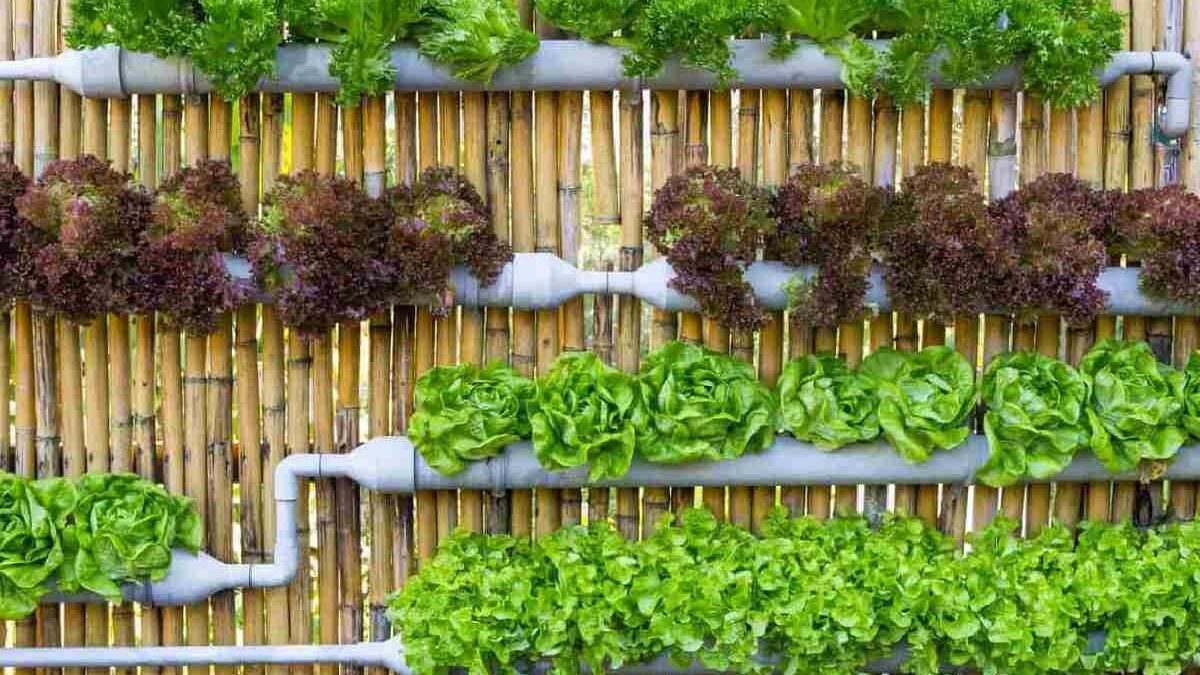
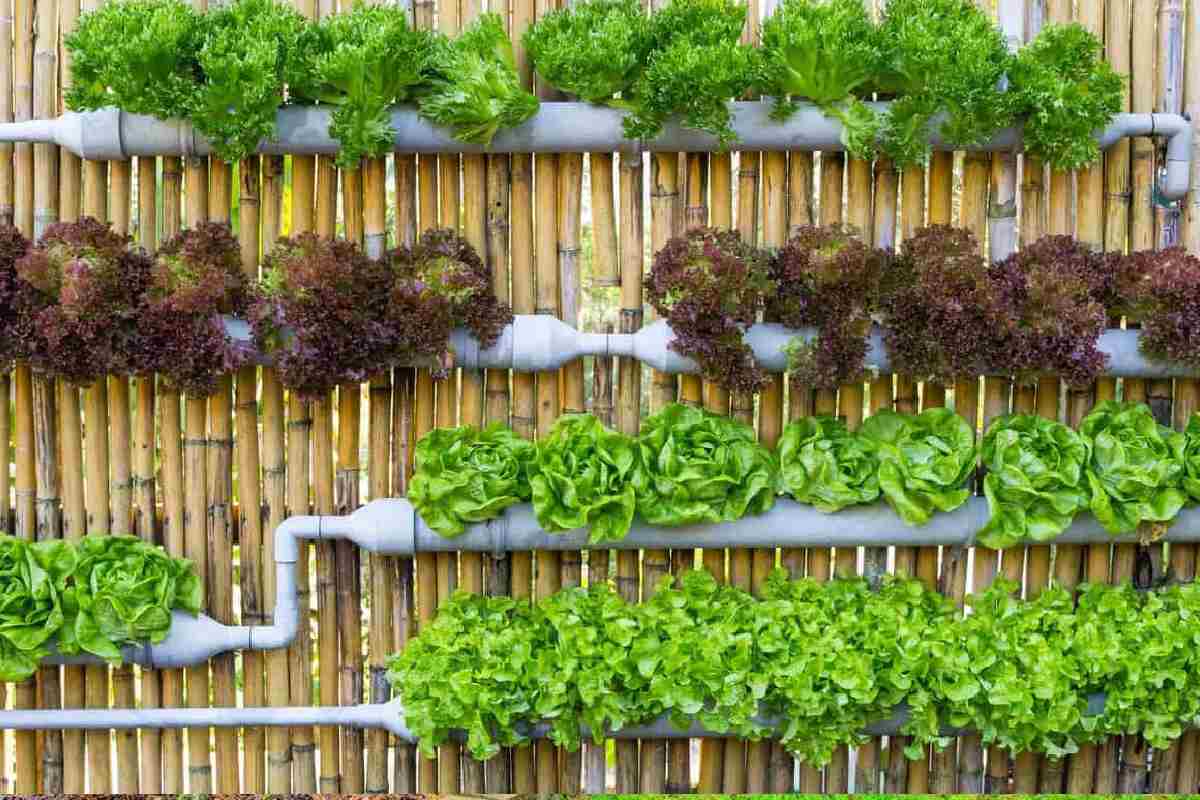
Container and vertical gardening are innovative backyard gardening methods that maximize limited space while promoting sustainable food production and aesthetic landscaping. Research in urban agriculture and environmental science shows that these techniques improve plant health, increase yield efficiency, and make gardening accessible to households with small or unconventional backyard spaces.
Table of Contents
What Is Container Gardening?
Container gardening involves growing plants in pots, tubs, raised containers, or other enclosed vessels instead of directly in the ground. This method is ideal for backyards with poor soil quality, limited space, or paved surfaces.
| Research Aspect | Key Insights |
| Space Efficiency | Allows gardening in small backyards, patios, and balconies |
| Soil Control | Enables precise control over soil quality and nutrients |
| Plant Health | Reduces exposure to soil-borne diseases and pests |
| Water Management | Improves water efficiency with controlled irrigation |
| Growth Performance | Often leads to faster plant growth when properly maintained |
| Yield Optimization | Produces higher yields per square foot for certain crops |
| Accessibility | Reduces bending and strain, ideal for elderly or disabled gardeners |
| Environmental Impact | Minimizes soil degradation and supports sustainable practices |
| Climate Adaptability | Containers can be moved to optimize sunlight and temperature |
| Pest Control | Easier to isolate and manage pest-infested plants |
| Nutrient Efficiency | Requires regular feeding but allows targeted fertilization |
| Maintenance | Easier monitoring but requires frequent watering |
| Crop Diversity | Supports a wide variety of vegetables, herbs, and flowers |
| Urban Gardening Suitability | Highly effective in urban and suburban settings |
What Is Vertical Gardening?
Vertical gardening uses upright structures such as trellises, wall-mounted planters, shelves, and stacked systems to grow plants vertically. Research highlights vertical gardening as an effective solution for space optimization and microclimate improvement in home gardens.
| Research Aspect | Key Insights |
| Space Optimization | Maximizes growing area in small backyards and urban spaces |
| Plant Density | Increases plant yield per square foot |
| Sunlight Exposure | Improves light distribution to all plants |
| Air Circulation | Enhances airflow, reducing fungal diseases |
| Water Efficiency | Supports drip irrigation systems, reducing water waste |
| Pest Reduction | Elevated plants experience fewer ground-based pests |
| Soil Health | Reduces soil compaction and erosion |
| Temperature Regulation | Creates cooling effects and moderates microclimates |
| Urban Heat Reduction | Helps lower surrounding temperatures |
| Accessibility | Easier maintenance with less bending and squatting |
| Aesthetic Value | Improves backyard visual appeal and green coverage |
| Biodiversity Support | Attracts pollinators and beneficial insects |
| Sustainability | Encourages local food production and reduced carbon footprint |
| Structural Requirements | Requires stable, well-supported frameworks |
| Maintenance Needs | Needs regular monitoring of moisture and nutrients |
Why space smart gardening matters in the country?
The country property of your dreams with perfect, open soil ready for neat crop rows might not always be the case. A lot of rural homes remain situated on hillsides, rocky grounds, wind-blown ridges, and share spaces with driveways, sheds, play areas, and animal pens. Space smart gardening employs the use of containers and vertical structures to hide food and flowers in those places where the sun shines, thus, keeping the crops close to the house where they are easy to water, weed, and harvest.
Container vs Vertical Gardening
| Factor | Container Gardening | Vertical Gardening |
| Space Efficiency | Moderate | Very High |
| Water Control | High | Very High (especially drip systems) |
| Soil Management | Fully controlled | Fully controlled |
| Pest Exposure | Lower than ground gardens | Lower due to elevation |
| Yield per sq ft | Medium | High |
Choosing containers that suit homesteads
Country gardens need strong containers that are ready for different weather conditions and are of sufficient weight not to be blown over by the wind. Some good choices may be galvanized stock tanks, half barrels, wooden crates, large terracotta pots, old enamel sinks, and repurposed troughs. Any recycled container must have drainage holes already drilled in the bottom and, for food crops, a food-safe liner or an inner pot in case the original material may rust or give off harmful substances.
Use only high-quality potting mix in containers instead of the local soil which is usually too compacted and does not drain well in pots. Put them where a watering can or hose can reach easily, on firm surfaces like gravel, pavers, or compacted soil, and where dogs, chickens, or children will not be able to knock them down.
Advantages of Container and Vertical Gardening
| Aspect | Container Gardening | Vertical Gardening |
| Space Efficiency | Ideal for balconies, patios, rooftops, and small yards | Maximizes limited ground space by using walls and vertical structures |
| Flexibility & Mobility | Containers can be moved to optimize sunlight and protection | Fixed systems but adaptable to unused vertical areas |
| Soil Control | Custom soil mixes improve drainage and fertility | Controlled growing medium reduces dependence on ground soil |
| Water Management | Easier to monitor watering needs per plant | Drip systems can efficiently distribute water vertically |
| Pest & Disease Reduction | Reduced exposure to soil-borne pests | Elevation minimizes pest contact and fungal issues |
| Accessibility | Raised containers reduce bending and strain | Vertical height improves reach and visual access |
| Aesthetic Value | Enhances decorative appeal in small spaces | Creates living walls and visually striking green features |
| Crop Variety | Supports herbs, vegetables, flowers, and dwarf plants | Best suited for climbers, trailing plants, and leafy greens |
| Urban Suitability | Well-suited for apartments and urban homes | Highly effective in dense urban environments |
| Environmental Benefits | Encourages local food production | Improves insulation, air quality, and urban biodiversity |
Vertical structures with farmhouse character
To verticalize the growth of plants is basically the core idea behind space smart gardening. Bare minimum vertical supports can easily remain perceived as typical homestead elements. For example, cattle panels bent to form tunnels, wooden trellises attached to fences, teepees made out of saplings or bamboo, and pallet walls fixed to a shed or porch. These constructions support the vining crops. The ground area can remain used for low growing plants or walking paths.
Most common vegetables such as pole beans, peas, cucumbers, small vining squashes, and indeterminate tomatoes are capable of vertical growth. Sticking these veggies to the twine or wire is good, as it keeps the leaves drier, gives better air circulation, and is more convenient for harvesting, which is good for your back. In addition, climbing flowers like sweet peas or nasturtiums can be there for support and in exchange, they will bring color to the trellis.
Best Plants for Backyard Container & Vertical Gardens
| Plant Type | Best for Containers | Best for Vertical Gardens | Notes |
| Tomatoes (Cherry/Dwarf) | ✅ Yes | ✅ Yes (with support) | High yield; needs staking or trellis |
| Peppers | ✅ Yes | ❌ No | Compact growth; thrives in pots |
| Lettuce | ✅ Yes | ✅ Yes | Fast-growing; ideal for shallow containers |
| Spinach | ✅ Yes | ✅ Yes | Shade-tolerant leafy green |
| Herbs (Basil, Mint) | ✅ Yes | ✅ Yes | Mint should be grown separately |
| Strawberries | ✅ Yes | ✅ Yes | Great for hanging baskets |
| Cucumbers | ❌ No | ✅ Yes | Requires strong vertical support |
| Beans (Pole) | ❌ No | ✅ Yes | Climbs easily; boosts yield |
| Peas | ❌ No | ✅ Yes | Cool-season climbing plant |
| Succulents | ✅ Yes | ✅ Yes | Low maintenance; ornamental use |
| Petunias | ✅ Yes | ✅ Yes | Popular flowering plant |
| Ferns | ✅ Yes | ✅ Yes | Best in shaded areas |
| Dwarf Citrus | ✅ Yes | ❌ No | Needs large, deep containers |
| Chives | ✅ Yes | ✅ Yes | Hardy and easy to grow |
| Kale | ✅ Yes | ✅ Yes | Cold-tolerant and nutrient-rich |
Vertical Gardening Systems: Kinds, Functioning and Studies Results.
The design of vertical gardening systems focuses on optimising the growing environment for plants while ensuring strength and stability. How design systems are set up impact a lot on water efficiency, root health, and maintenance.
| System Type | Water Efficiency | Maintenance Level | Ideal Plants |
|---|---|---|---|
| Wall-Mounted Planters | High | Medium | Herbs, flowers |
| Pocket Fabric Systems | Medium | High | Leafy greens |
| Modular Panel Systems | Very High | Low | Mixed planting |
| Hydroponic Vertical Towers | Extremely High | Medium | Greens, herbs |
Limitations and Challenges of Container and Vertical Gardening
| Aspect | Container Gardening | Vertical Gardening |
| Water Requirements | Soil dries out quickly, requiring frequent watering | Uneven water distribution from top to bottom |
| Nutrient Depletion | Limited soil volume leads to faster nutrient loss | Requires regular fertilization across multiple levels |
| Root Space Limitation | Restricted root growth can affect plant size and yield | Shallow pockets may limit deep-rooted plants |
| Temperature Sensitivity | Roots are exposed to rapid heating and cooling | Vertical exposure increases heat and wind stress |
| Structural Concerns | Heavy containers can stress balconies or rooftops | Needs strong support to hold weight safely |
| Maintenance Effort | Frequent watering and feeding needed | Higher maintenance due to irrigation and pruning |
| Initial Cost | Quality containers and soil can be costly initially | Installation of frames, panels, or irrigation increases cost |
| Plant Selection Limits | Not suitable for large or deep-rooted crops | Mostly limited to climbers, herbs, and lightweight plants |
| Drainage Issues | Poor drainage can cause root rot | Water runoff may affect lower plants |
| Weather Exposure | Containers are vulnerable to strong wind and rain | Vertical systems face higher wind resistance |
Soil, water, and fertility in tight spaces
It is often the case that containers and vertical beds have less soil as compared to ground beds and that is why they dry out more quickly and need nourishment more frequently. A good potting mix that can drain well but at the same time keeps its moisture is very important, and it should remain enriched with compost before planting. What will keep the heavy feeders like tomatoes and cucumbers producing for a long time is the application of compost or a balanced organic fertilizer every few weeks.
Watering has to remain done regularly and more often than for traditional beds, especially if the place is a sunny deck or near reflective walls. Apart from protecting the roots from intensive heat, the straw, shredded leaves, or fine bark used for covering the containers also help to slow down the evaporation. It is not much of a labor to install simple drip lines, soaker hoses, or watering spikes and thus, you can have more spare time or less work days.
Pest & Disease Control Research
- Elevated planting reduces soil-borne diseases
- Better airflow lowers fungal infection risk
- Container isolation limits pest spread
- Vertical systems allow targeted treatment
Cost & Longevity Research
| Setup Type | Initial Cost | Lifespan |
| Basic Containers | Low | 3–5 years |
| Fabric Grow Bags | Low | 2–3 years |
| Modular Vertical Panels | Medium | 5–8 years |
| Hydroponic Towers | High | 8–10 years |
What to grow when space is limited?
If you do not have any space left for a new container or trellis, then you should primarily focus on the crops that are of high-value and high-yield in order to get the most out of the little space you have. In small containers, you can grow herbs like basil, parsley, thyme, rosemary, and chives that will totally change the way you cook your regular meals. The salad greens, spinach, arugula, and Asian greens are the plants that can remain grown closely and then cut again and again, thus ensuring you a few weeks of harvest from the same container.
The good choices for the limited space are compact or patio type tomatoes, bush beans, peppers, strawberries, and dwarf fruit varieties. Succession planting is a method to keep containers productive: initially, peas and radishes might remain grown in a tub early in the season. when the crops remain harvested, the same tub can remain replanted with bush beans or late lettuce. By doing so, the garden will become not only healthier but also more productive as the edible plants will remain aided by the flowers that feed pollinators like calendula, nasturtiums, and dwarf sunflowers.
Choosing Containers and Structures for Gardening
| Category | Type | Key Characteristics | Suitability |
| Container Materials | Plastic | Lightweight, moisture-retentive, affordable | Balconies, beginners, moisture-loving plants |
| Clay / Terracotta | Porous, good airflow, dries quickly | Herbs, dry-tolerant plants | |
| Ceramic | Decorative, heavy, retains moisture | Indoor or fixed outdoor settings | |
| Wood | Natural insulation, breathable | Raised beds, vegetables | |
| Fabric Grow Bags | Excellent drainage, flexible, portable | Root vegetables, seasonal crops | |
| Container Size | Small (6–8 inches) | Limited soil volume | Herbs, seedlings |
| Medium (8–12 inches) | Moderate root space | Leafy greens, flowers | |
| Large (12–18+ inches) | Deep soil, stable moisture | Tomatoes, peppers, shrubs | |
| Vertical Structures | Trellises | Supports climbing plants | Beans, peas, cucumbers |
| Wall Planters / Pockets | Compact, decorative | Herbs, strawberries, greens | |
| Hanging Baskets | Suspended containers | Trailing plants, ornamentals | |
| Tiered Shelves | Multi-level planting | Mixed herbs and vegetables | |
| Vertical Towers | Centralized vertical growth | Leafy greens, herbs | |
| Support & Stability | Frames & Anchors | Prevent tipping and collapse | Outdoor vertical gardens |
| Load-Bearing Walls | Structural safety | Permanent installations | |
| Drainage Features | Drainage Holes | Prevent waterlogging | Essential for all containers |
| Saucers / Trays | Collect excess water | Indoor gardening setups |
Blending beauty and productivity
The garden on a rural property is a visual part of the whole homestead, not just an unseen utility area. Using containers and supports that go with the farmhouse style of the garden makes the space more inviting. The aged wood, galvanized metal, terracotta, and woven willow or twig structures all look nice when combined with barns and metal roofs.
At the same time, mixing edibles with ornamentals can create plantings that will be both attractive and useful. For instance, a stock tank may be used for growing kale and chard in the middle. While marigolds and trailing thyme can form the ring around it. The pole beans on a trellis can remain used to frame a view of the pasture. While the hanging baskets can be a combination of strawberries and trailing flowers. These hookups are allowing tiny places to operate as kitchen gardens along with the porch decor.
Plant Selection for Container and Vertical Gardening
| Plant Category | Container Gardening (Suitable Plants) | Vertical Gardening (Suitable Plants) |
| Herbs | Basil, mint, parsley, coriander, chives | Thyme, oregano, mint (trailing types) |
| Leafy Greens | Lettuce, spinach, arugula, kale | Lettuce, spinach, Swiss chard |
| Vegetables | Tomatoes (dwarf), peppers, radish, carrots | Pole beans, peas, cucumbers |
| Root Crops | Beets, turnips (deep containers required) | Not suitable due to shallow root space |
| Fruiting Plants | Strawberries, cherry tomatoes, eggplant | Strawberries, small tomatoes (supported) |
| Climbers & Vines | Not ideal unless supported | Beans, gourds, cucumbers, peas |
| Flowers (Ornamental) | Petunias, marigolds, geraniums | Morning glory, sweet peas |
| Trailing Plants | Nasturtium, ivy | Ferns, pothos, spider plant |
| Indoor Plants | Snake plant, peace lily, pothos | Philodendron, ferns |
| Plant Size Preference | Compact and dwarf varieties | Lightweight, flexible-stem plants |
Common small space mistakes and easy fixes
Beginners space-smart gardeners frequently stumble upon just a handful of predictable issues. Very small containers dry out quickly and limit plant growth; thus, it is advisable to use larger pots or stock tanks with deeper soil that will give more space and lessen the watering frequency.
Another problem in the overcrowding of seedlings—if you thin the seedlings vigorously at the early stage, you will get stronger and more productive plants instead of leaving everything cramped together.
Also, support is something which is very easy to overlook. The light wire or thin bamboo may break when tomatoes, cucumbers, and pole beans become heavy with fruits, so it is thus better to use sturdy cattle panels, thick stakes, or firmly installed trellises for this purpose.
Many people, however, forget to consider the wind and sun influence in the vicinity of barns or open fields; Hence, the tallest constructions should remain put in such positions that they not only can stop the wind but also help the shaded areas to remain less exposed to the sun and therefore bioes of the greens that are sensitive to sunsmoothing.
Economic Considerations in Container and Vertical Gardening
| Cost Aspect | Container Gardening | Vertical Gardening |
| Initial Setup Cost | Moderate; cost of pots, soil, and basic tools | Higher; includes frames, panels, and support systems |
| Container / Structure Cost | One-time purchase; reusable over multiple seasons | Often higher due to specialized vertical structures |
| Soil & Growing Medium | Requires regular replacement or enrichment | Uses less soil overall but may need specialized mixes |
| Planting Material Cost | Seeds and seedlings are relatively low cost | Similar plant costs; fewer plants may fit initially |
| Irrigation Expense | Manual watering or basic systems | Drip or automated systems increase upfront cost |
| Fertilizer Cost | Ongoing expense due to nutrient depletion | Regular feeding required across vertical levels |
| Maintenance Cost | Moderate (watering, repotting, replacement) | Higher due to structural upkeep and irrigation |
| Space Efficiency Value | Good yield per container | High yield per square foot of ground area |
| Long-Term Savings | Reusable containers reduce recurring costs | Long lifespan systems offset higher initial investment |
| Return on Investment (ROI) | Cost-effective for home food production | Higher ROI in dense urban or commercial settings |
Bringing it all together on your homestead
Not wanting more land, space smart gardening is the way to work creatively with all the nooks and crannies you already have. With just a few well-thought-out containers, two or three good vertical supports, and a concentration on the high-value crops, small country yards, rental homesteads and busy farmstead corners can remain turned into a continual source of fresh food and flowers. These small plantings can gradually broaden with you or move around as you find out what grows best in your microclimate and how your daily routines flow.
By treating every porch step, fence line, and sunny wall as potential garden real estate, even the smallest country plots can feel abundant. The outcome is a productive-looking and -feeling homestead, with herbs by the kitchen door, tomatoes on the trellis, and baskets of greens coming inside—evidence that you do not require vast areas to have a rich country harvest.
Conclusion
Research supports container and vertical gardening as effective backyard solutions for maximizing space, improving plant health, and promoting sustainable living. These methods allow homeowners to create productive, visually appealing gardens regardless of backyard size, making them ideal for modern lifestyles focused on efficiency and environmental responsibility.