
Last Updated: September 3, 2026
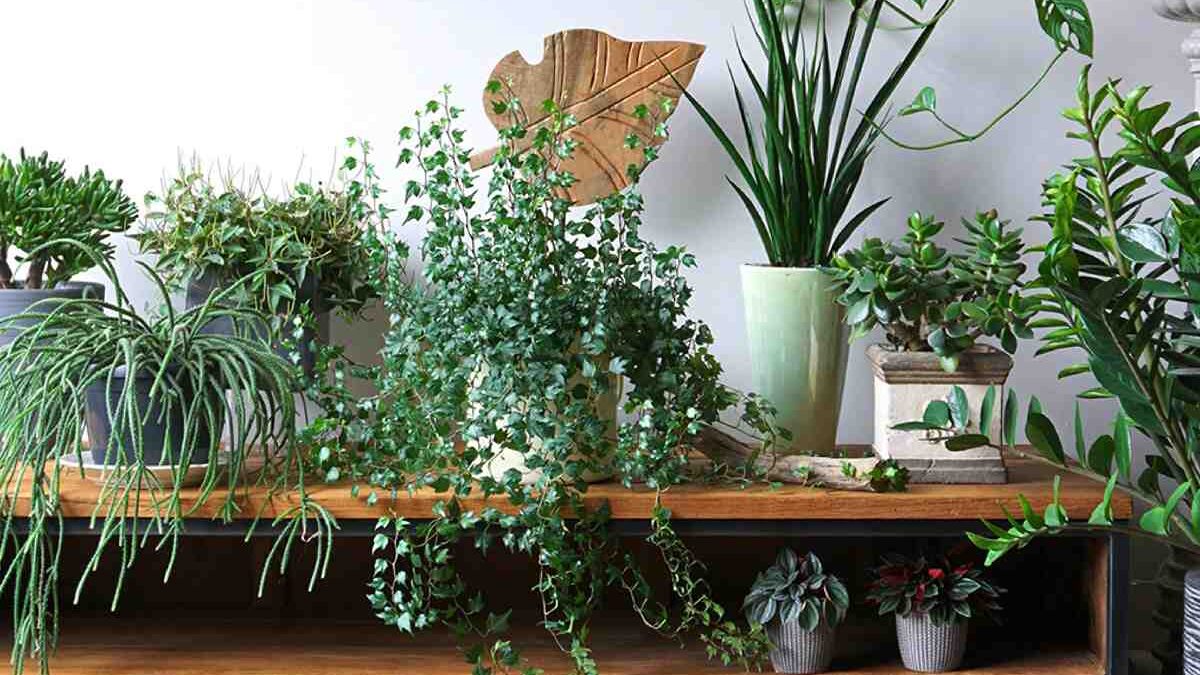
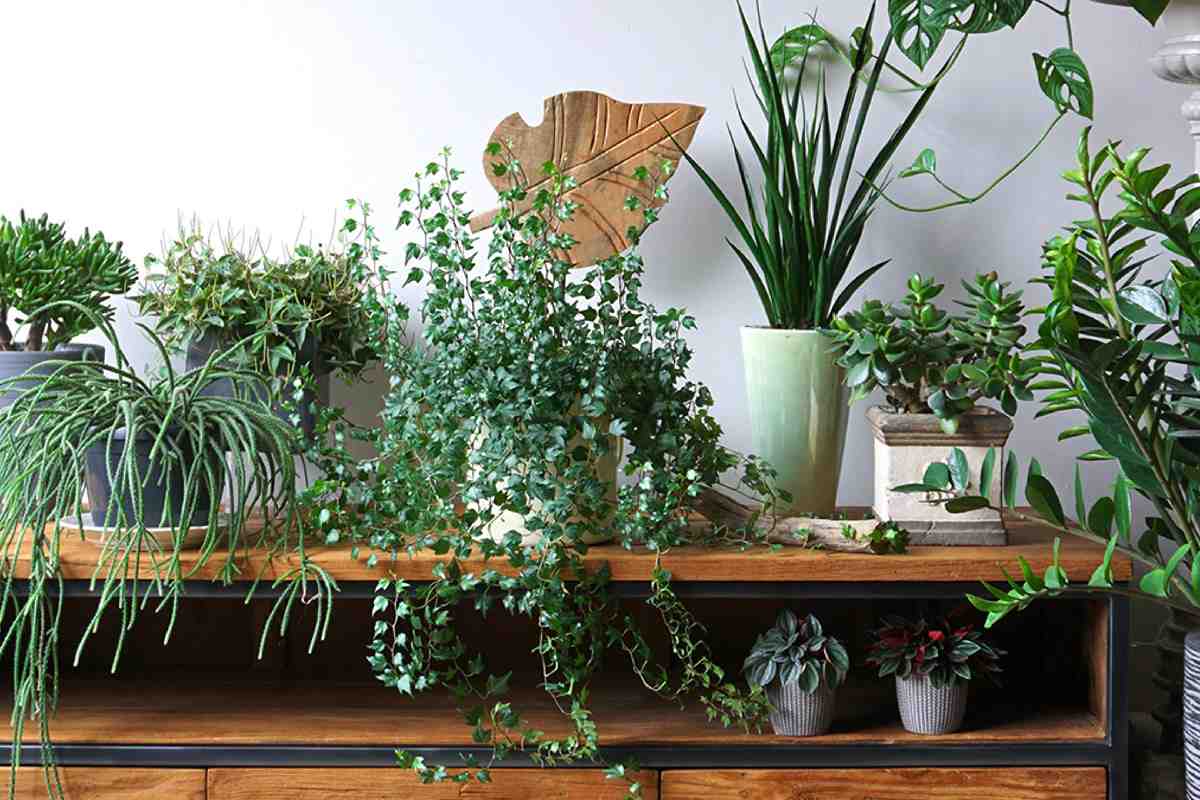
“Green Chic” (often written as eco-chic or green chic) is not a single product or brand—it’s a concept or lifestyle trend that combines style with environmental responsibility.
This article belongs to Sustainable Living
Table of Contents
Evolution of Green Chic: From Trend to Lifestyle
Early Phase (2015–2020)
- Rise of Instagram-driven plant culture
- Popularization of statement plants like Monstera
- Focus on visual aesthetics over practicality
Transitional Phase (2020–2023)
- Pandemic-driven plant boom
- Increased interest in indoor gardening
- Growth of plant-care education
Modern Green Chic (2024–2025)
- Focus on low-maintenance ecosystems
- Integration with smart home technology
- Emphasis on mental wellness and air purification
- Preference for fewer but larger, statement plants
Core Principles of Green Chic Design
Biophilic Integration
Biophilic design connects humans with nature indoors. This includes:
- Natural light optimization
- Organic textures (wood, clay, linen)
- Visual continuity between indoor and outdoor spaces
Intentional Plant Placement
Instead of random placement:
- Plants are positioned based on light gradients
- Larger plants anchor rooms
- Trailing plants soften vertical spaces
Sustainability
- Use of recycled planters
- Organic fertilizers
- Reduced water waste through efficient irrigation
- Creating a more sustainable lifestyle can also extend beyond plant care, as explored in sustainable living in Gaza.
10 Trending Houseplants for 2025: Easy-Care Picks for Your Home
Monstera deliciosa – Still the queen. Those giant split leaves make any corner feel like a resort. Mine lives in my dining room and gets compliments every single time someone walks in. Just give it something to climb and a little humidity and it’ll reward you with new leaves the size of dinner plates.
ZZ Plant – My ride-or-die for dark apartments. I forget about this thing for weeks and it still looks glossy and perfect. If you travel or just suck at remembering to water, get a ZZ. Zero judgment here.
Snake Plant – Tall, sculptural, and basically indestructible. I have three in my bedroom because they pump out oxygen at night (yes, really). Bonus: they look expensive but cost like $15 at the hardware store.
Pothos – The ultimate “I can’t kill this” trailing plant. I have a golden pothos that’s now six feet long and hanging from my kitchen ceiling. Propagating cuttings in water is stupidly satisfying.
Philodendron – The pink princess and birkin varieties are everywhere on Instagram are gorgeous, but even the basic heartleaf is a stunner. They grow fast and forgive a lot.
Hoya – My current obsession. The waxy leaves and little star-shaped flowers that smell like chocolate? I’m weak. They’re a little pickier (bright light, don’t overwater), but when they bloom it’s worth it.
How I’m Styling My Plants in 2025 (and You Should Too)
Forget the sad single plant on the windowsill. Here’s what actually looks good right now:
- Going vertical. I finally put up floating shelves in my hallway and filled them with trailing pothos and philodendrons. Instant living wall, zero floor space used.
- Fun pots are everything. I swapped all the boring plastic nursery pots for terracotta with faces, mustard-yellow ceramics, and one ridiculous leopard-print planter. It makes watering feel like decorating.
- Plant gangs > solo plants. I have a whole shelf of different monsteras together and another corner that’s nothing but snake plants in varying heights. Grouping the same family looks intentional and expensive.
- Green living can also include everyday choices beyond plants, such as choosing best green drinks for health as part of a broader wellness-focused lifestyle.
Real Talk: What to Do When Your Plant Looks Like It’s Dying
We’ve all been there. Here’s what the problems usually mean and how I fix them:
Yellow leaves → You’re probably loving it to death with too much water. Let that soil dry out, sister. Check the drainage hole isn’t clogged.
Brown crispy tips → Your air is too dry (thanks, winter heating). I run a cheap humidifier or just mist them in the morning while I make coffee.
Droopy drama queen → 99 % of the time it’s thirsty. Give it a good soak in the sink until water runs out the bottom, then let it drain. It’ll perk up in an hour.
Dropping leaves like crazy → It hates where you just moved it. Plants are drama. Pick a spot and leave it there. Mine sulk for two weeks every time change their location.
Not growing at all → Totally normal in winter, or it wants food. I use a gentle liquid fertilizer once a month from March to September and they go nuts. (TrustBasket)
The Little Gadgets That Changed Everything for Me
- $10 soil moisture meter → No more guessing if it actually needs water.
- Self-watering pots for vacations → I went away for two weeks last summer and everything was still alive when got home. Miracle.
- Grow lights that look like normal lamps → Finally my north-facing apartment isn’t a plant graveyard.
Look, you don’t need fifty plants or a greenhouse. Start with one or two that match your light and your personality. My first monstera is still going strong five years later, and every new leaf still makes me stupidly happy.
So tell me—do you have bright sun pouring in or more of a cozy cave situation? I’ll tell you exactly which one from this list is about to become your new best friend.
Green Chic Plant Categories (Beyond Basics)
Statement Plants (Focal Points)
| Plant | Average Price (India) | Growth Pattern | Maintenance |
|---|---|---|---|
| Monstera Deliciosa | ₹800 – ₹3,500 | Climbing | Moderate |
| Fiddle Leaf Fig | ₹1,500 – ₹6,000 | Upright | High |
| Bird of Paradise | ₹2,000 – ₹8,000 | Large foliage | Moderate |
Structural Plants (Architectural Look)
| Plant | Price Range | Use Case |
|---|---|---|
| Snake Plant | ₹150 – ₹1,200 | Corners, bedrooms |
| Rubber Plant | ₹300 – ₹2,000 | Living rooms |
| Dracaena | ₹400 – ₹2,500 | Offices |
Trailing & Hanging Plants
| Plant | Price | Styling Use |
|---|---|---|
| Pothos | ₹100 – ₹800 | Shelves |
| String of Pearls | ₹250 – ₹1,500 | Hanging decor |
| English Ivy | ₹200 – ₹1,200 | Wall accents |
Cost Breakdown: Setting Up a Green Chic Space
| Item | Budget Setup | Premium Setup |
|---|---|---|
| Plants (3–5) | ₹500 – ₹2,000 | ₹5,000 – ₹15,000 |
| Planters | ₹300 – ₹1,500 | ₹3,000 – ₹10,000 |
| Soil & Fertilizer | ₹200 – ₹800 | ₹1,000 – ₹3,000 |
| Lighting | ₹500 – ₹2,000 | ₹3,000 – ₹8,000 |
| Accessories | ₹300 – ₹1,000 | ₹2,000 – ₹5,000 |
| Total | ₹1,800 – ₹7,300 | ₹14,000 – ₹41,000 |
Advanced Styling Strategies (2025 Trends)
Layered Plant Zoning
Divide your home into zones:
- Bright Zone → tropical plants
- Medium Light Zone → philodendrons
- Low Light Zone → ZZ & snake plants
Color-Coordinated Greenery
- Deep green plants with neutral interiors
- Variegated leaves for contrast
- Burgundy foliage for dramatic spaces
Mixed Textures
Combine:
- Glossy leaves (ZZ plant)
- Matte foliage (calathea)
- Spiky forms (snake plant) (Ugaoo)
Smart Plant Care Technology
Popular Gadgets & Pricing
| Gadget | Function | Price (India) |
|---|---|---|
| Soil Moisture Meter | Measures soil hydration | ₹150 – ₹600 |
| Smart Plant Sensors | Tracks light, temp, moisture | ₹1,500 – ₹5,000 |
| Grow Lights (LED) | Artificial sunlight | ₹800 – ₹4,000 |
| Self-Watering Pots | Auto irrigation | ₹300 – ₹2,000 |
Indoor Plant Health: Scientific Breakdown
Light Requirements
- Low Light: <1000 lux
- Medium Light: 1000–5000 lux
- Bright Indirect Light: 5000–10,000 lux
Watering Physiology
Overwatering causes:
- Root hypoxia (lack of oxygen)
- Fungal growth
- Root rot
Humidity Ranges
| Plant Type | Ideal Humidity |
|---|---|
| Tropical Plants | 60–80% |
| Succulents | 30–50% |
| Hardy Plants | 40–60% |
Seasonal Plant Care Guide (India-Specific)
Summer (March–June)
- Increase watering frequency
- Avoid direct harsh sunlight
- Use mulch or cocopeat
Monsoon (July–September)
- Watch for fungal infections
- Reduce watering
- Improve drainage
Winter (October–February)
- Minimal watering
- Maximize sunlight exposure
- Pause fertilization
Where to Buy Plants in India (Online & Offline)
Online Platforms
- Ugaoo
- TrustBasket
- Nurserylive
Offline Options
- Local nurseries (cheaper, healthier plants)
- Weekly plant markets
- Garden expos
Reducing waste at home is another simple part of a greener lifestyle, and practical habits such as these 10 smart ways to reduce paper use in your daily life can complement a more sustainable home environment.
Green Chic vs Urban Jungle: Key Differences
| Feature | Green Chic | Urban Jungle |
|---|---|---|
| Approach | Minimal & curated | Dense & abundant |
| Maintenance | Low to moderate | High |
| Aesthetic | Clean & modern | Wild & natural |
| Cost | Controlled | Can be high |
Final Observations
Green chic in 2025 is not about how many plants you own, but how intelligently you integrate them into your lifestyle and space. It merges design, sustainability, and plant science into a cohesive system.
The same sustainability mindset can be applied to other lifestyle choices, including green weddings with grace and creating a greener ecosystem around your home with these 9 green tips to improve the ecosystem around your home.