
Last Updated: September 2, 2026
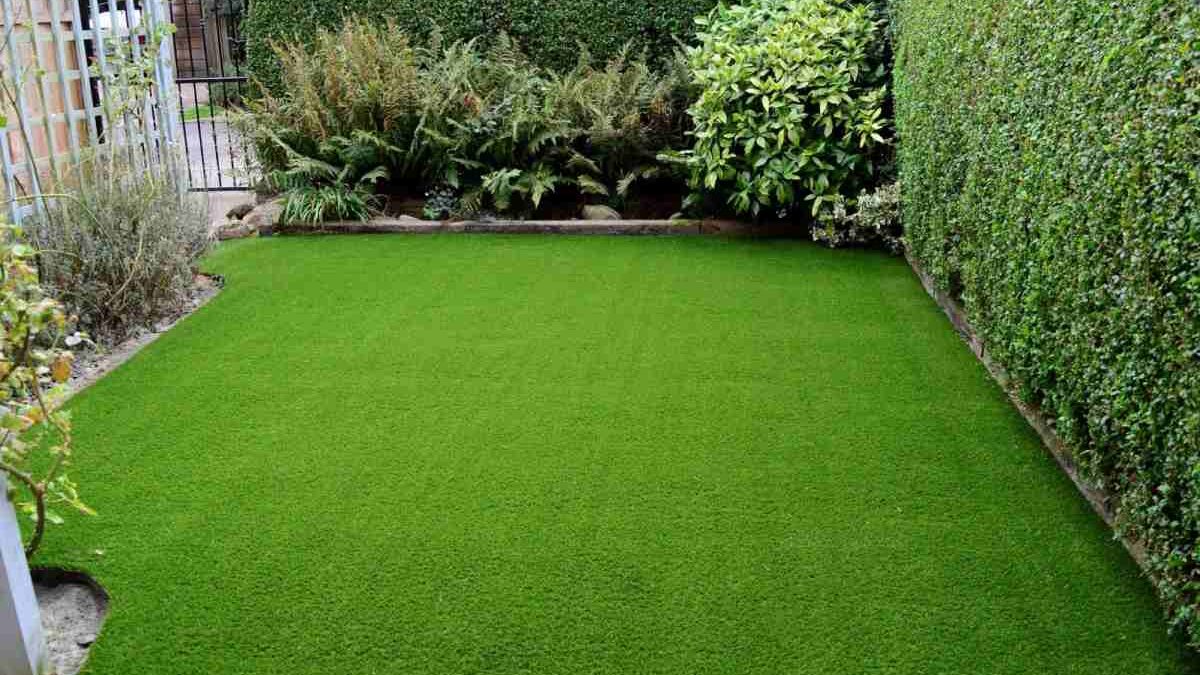
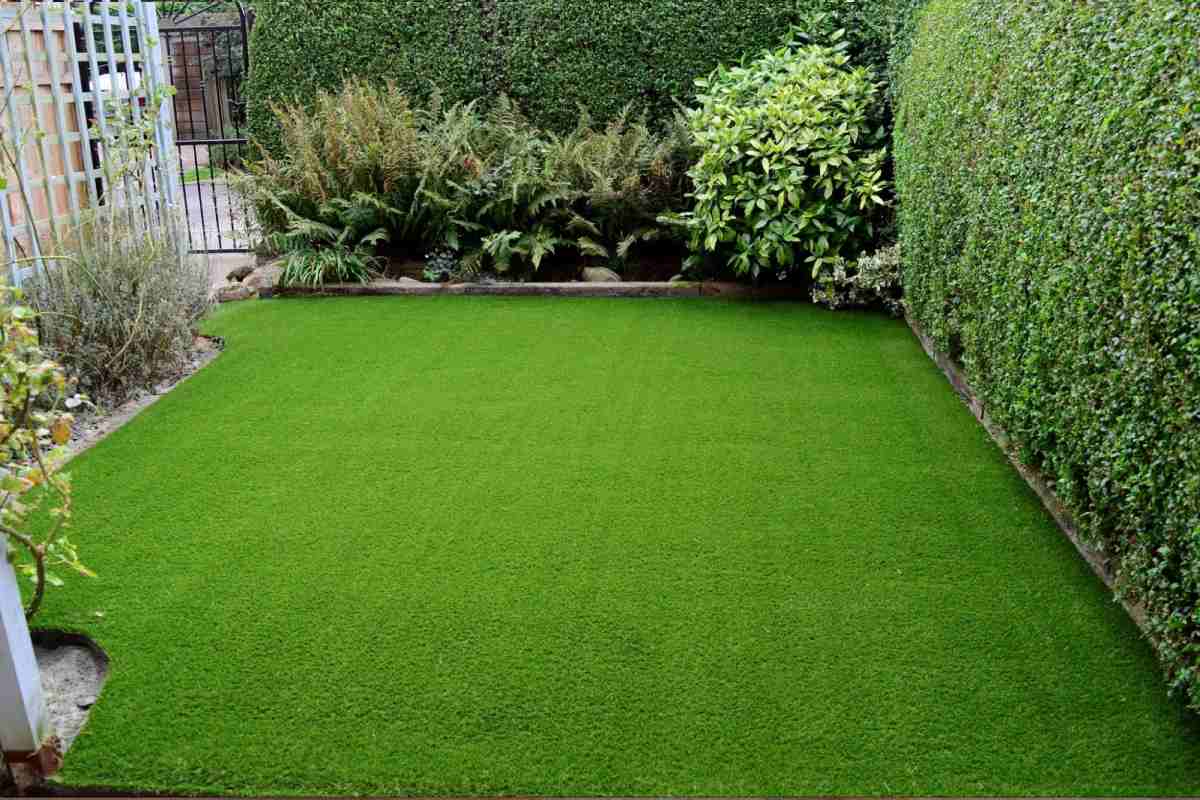
The term Artificial Grass was originally used for synthetic products installed in sports venues, such as fields and putting greens. Nowadays, many homeowners are opting to use artificial grass, which can create a lush, low-maintenance lawn. The purpose of this guide is not to persuade you either way, but rather to give you a balanced overview of the positive and negative aspects of using artificial grass that will allow you to decide for yourself.
This article belongs to Lawn & Landscaping
Table of Contents
The Allure: Key Benefits of Artificial Grass
- The biggest reason for homeowners to choose artificial grass is that it requires little maintenance. You won’t have to mow weekly anymore (or perform much maintenance to cut) or have to edge throughout the seasons of the year, fertilize your lawn, or have to weed your lawn. No additional water usage (other than rinsing) is upon you. This is time-consuming and hard for the busy household, elderly persons and those who have some limited mobility.
- Your lawn will have a luxurious, green appearance 365 days a year, no matter if there is a drought or excessive sun or rain and no matter how much abuse your lawn may take from kids, pets and entertainment – your lawn will always look meticulously finished!
- In areas that are prone to drought or have watering regulations, artificial grass can be installed without outdoor irrigation; thus saving hundreds of gallons of water each month, in addition to saving you a lot of money on your water bill every month.
- Artificial surfaces are built to last! New generations of high-quality turf will not fade due to the ultraviolet (u.v.) rays of the sun, as they feature a u.v. stabilizer during the manufacturing of the turf, so your kids or pets and guests will have a well-maintained surface as long as the turf is used. During use, you will not experience mud holes or dust bowls on your artificial grass.
- For those suffering from grass pollen allergies, synthetic grass is a viable option, as you will have a beautiful outdoor space without experiencing any allergic symptoms as a result of your pollen-sensitive condition.
The Considerations: Drawbacks and Challenges
- Initial Investment: Installation of artificial turf is costly. The average price of professionally installed high quality synthetic turf is $8 – 20 per sq/ft depending on the quality of products used, labor and preparation to base. Typically this is significantly higher than both seed and sod.
- Heat Retention: Synthetic materials have the capacity to absorb and reflect heat. As a result, the temperature surface of synthetic turf can reach greater than 20 – 50 degrees higher than the temperature of natural grass or ambient temperature on a hot sunny day. This can create an uncomfortable surface for pet and bare feet; therefore, the heat from synthetic turf could create a negative environment to your residence.
- Environmental Trade-Offs: Although it saves water, synthetic turf is still made from petroleum based products and therefore has a carbon footprint associated with both transportation and manufacturing. After a synthetic turf field has reached its lifespan (8015 – 25 years) it is not biodegradable and is often disposed in landfills, making recycling an extremely difficult process. Synthetic turf does not sequester carbon like natural grass, nor does it provide habitat to native soil ecosystems.
- Potential Off-Gassing and Issues with Infill: Installations with poor quality turf can off gas VOCs. The use of recycled tire crumb rubber as an infill material raises serious concerns for health and environmental impacts. However, alternative infill materials such as silica sand or organic based products are available.
- Maintenance of Artificial Turf is Not No-Maintenance: You will need to periodically rinse it (2 – 4 times/year) to remove dust and debris, brush the turf to keep blades upright and sanitize portions of the turf where pets have eliminated. Leaves and organic debris must be removed to prevent mold and compaction.
Critical Factors Before You Install
- Quality is Everything: Not all turf is created equal. Look for:
- Face weight: The heavier the grass fibers, the more durable they will be (heavier is generally better).
- Pile height & density: Synthetic turf with a lower pile height (between 1.25” and 1.75”) and a denser configuration will generally give you a more realistic looking lawn and perform better than turf with taller piles and a lower density.
- Material: Synthetic turf made from polyethylene (PE) provides the most realistic appearance; polypropylene (PP) has the lowest material cost; nylon has the greatest durability but is not as soft.
- Warranty: Quality manufacturers will provide a minimum of 8-year and maximum of 15-year warranties against UV damage and deterioration from use.
- Importance of Professional Installation: The installation of synthetic grass is 90 percent of the long-term success of the product. A properly installed system will contain the following elements:
- Excavation: 3 to 4 inches of topsoil must be removed.
- Stable base: Synthetic turf requires a compacted sub-base of crushed rock or decomposed granite to provide proper drainage.
- Proper drainage: The entire installation area must slope slightly (1%) to allow water to drain at an adequate rate and must have a permeable base to prevent pooling.
- Seams and securing: Seams must not be visible and the perimeter must be secured.
- Consider your microclimate: Artificial turf can be extremely hot in direct sun in the southern US. However, artificial turf performs extremely well in shady areas where the natural turf does not grow well. Consider using a combination of natural planting beds, patios, and shade structures around your home for a better looking landscape.
Who is Artificial Grass Best For?
It is an excellent solution for:
- Homeowners in arid and drought-affected areas.
- Homeowners with small, difficult to maintain yards (e.g., side yards and steep hills).
- Areas that receive heavy traffic (pets or children’s play areas).
- Individuals Who do not have the time, ability, or availability to maintain their lawn.
However, artificial grass may not be appropriate for:
- Individuals who like to garden and want to create a natural ecosystem in their yard.
- For large property owners, who will find the cost prohibitive.
- People deeply concerned about plastic use and long-term waste.
Global Market Trends and Industry Growth
The artificial grass industry has undergone substantial transformation over the past decade. Initially dominated by sports infrastructure, it is now a rapidly expanding segment in residential and commercial landscaping.
Market Size and Growth Drivers
- The global artificial turf market is projected to exceed $6–8 billion by 2030, growing at a CAGR of ~6–8%.
- Key drivers include:
- Urbanization and shrinking green spaces
- Increasing water scarcity
- Rising labor costs for lawn maintenance
- Demand for low-maintenance landscaping solutions
Regional Insights
- North America & Europe: Mature markets with high adoption in residential lawns and sports fields
- Middle East & Australia: High growth due to extreme climates and water restrictions
- India & Southeast Asia: Emerging demand in urban housing societies, rooftops, and commercial spaces
Types of Artificial Grass Systems
Understanding product variations is critical for performance and longevity.
By Material Composition
| Material Type | Characteristics | Use Case |
|---|---|---|
| Polyethylene (PE) | Soft, realistic, UV-resistant | Residential lawns |
| Polypropylene (PP) | Affordable, less durable | Decorative areas |
| Nylon | Extremely durable, heat-resistant | Sports, high-traffic zones |
By Application
- Landscape Turf: Designed for aesthetics and moderate use
- Sports Turf: Engineered for performance (football, cricket, tennis)
- Pet Turf: Enhanced drainage and antimicrobial properties
- Playground Turf: Cushioned with shock pads for safety
Installation Cost Breakdown (India & Global Comparison)
Artificial grass pricing varies significantly depending on quality, location, and installation complexity.
India Pricing (2026 Estimates)
| Component | Cost (₹ per sq ft) |
|---|---|
| Basic Turf Material | ₹50 – ₹120 |
| Premium Turf | ₹120 – ₹300 |
| Installation Labor | ₹30 – ₹80 |
| Base Preparation | ₹40 – ₹100 |
| Total Installed Cost | ₹120 – ₹450 per sq ft |
International Pricing (Converted)
- USA: $8 – $20 per sq ft
- UK: £6 – £15 per sq ft
- Australia: AUD $50 – $120 per sq meter
Lifecycle Cost Analysis vs Natural Grass
| Factor | Artificial Grass | Natural Grass |
|---|---|---|
| Initial Cost | High | Low |
| Annual Maintenance | Low | High |
| Water Usage | Minimal | High |
| Fertilizers/Pesticides | None | Required |
| Lifespan | 15–25 years | Continuous upkeep |
Insight: Artificial grass typically achieves ROI within 5–8 years, especially in water-scarce or high-maintenance regions. (ECHA)
Environmental Impact: A Deeper Evaluation
Positive Aspects
- Eliminates irrigation → Saves 50,000–100,000 liters/year for average lawns
- Reduces chemical runoff from fertilizers and pesticides
- Lowers carbon emissions from lawn equipment (mowers, trimmers)
Negative Aspects
- Made from petroleum-based polymers
- Not biodegradable; recycling infrastructure is limited
- Contributes to urban heat island effect
- Does not support biodiversity (soil microbes, insects)
Emerging Innovations
- Recyclable turf backing systems
- Bio-based polymers (partially plant-derived plastics)
- Cooling technologies (infrared-reflective coatings)
Heat Mitigation Strategies
Artificial turf heat retention is a well-documented concern. Advanced mitigation techniques include:
- Cooling infill materials (e.g., cork, coconut fibers)
- Water misting systems
- Shade structures (pergolas, trees)
- Light-colored turf fibers to reflect sunlight
Surface temperatures can be reduced by 10–25°C with proper interventions.
Drainage and Sub-Base Engineering
A critical but often overlooked factor.
Recommended Layer Structure
- Compacted soil subgrade
- Geotextile weed barrier
- Crushed stone (aggregate base)
- Leveling layer (sand or granite dust)
- Turf with infill
Drainage Performance
- High-quality systems allow 30–60 liters/min/m² permeability
- Essential for:
- Heavy rainfall areas
- Pet usage zones
- Rooftop installations
Artificial Grass for Specialized Applications
Rooftop Landscaping
- Lightweight variants available
- Requires drainage mats and waterproofing
- Popular in urban Indian apartments
Balcony and Indoor Decor
- Used for aesthetics rather than functionality
- Minimal installation required
Commercial Use Cases
- Hotels, event venues, offices
- Reduces long-term maintenance overhead
Health and Safety Considerations
VOC Emissions
- Modern, certified turf products comply with low-VOC standards
- Always check for:
- Lead-free certification
- Non-toxic infill materials
Fire Resistance
- Most high-quality turfs are fire-retardant rated
- Avoid placing near open flames or BBQ zones
Pet Safety
- Pet-specific turf includes:
- Antimicrobial backing
- Rapid drainage systems
- Odor-control infill
Maintenance Protocol (Detailed)
Although low-maintenance, structured care ensures longevity.
Weekly / Monthly Tasks
- Remove debris (leaves, dust)
- Light brushing to maintain fiber position
Quarterly Tasks
- Deep cleaning with water rinse
- Infill redistribution
Annual Maintenance
- Professional inspection
- Recompaction of base if required (EPA)
Artificial Grass vs Alternative Landscaping Options
| Option | Maintenance | Cost | Aesthetic | Sustainability |
|---|---|---|---|---|
| Artificial Grass | Low | High upfront | Consistent | Moderate |
| Natural Grass | High | Low upfront | Seasonal | High |
| Gravel Landscaping | Very low | Medium | Minimalist | High |
| Decking (Wood/Composite) | Medium | High | Modern | Medium |
Common Mistakes to Avoid
- Choosing low-quality turf to reduce cost
- Ignoring drainage planning
- DIY installation without proper base preparation
- Using incorrect infill material
- Installing in extreme heat zones without mitigation
Future of Artificial Grass Technology
The industry is evolving rapidly with innovations such as:
- Smart turf systems with embedded sensors
- Self-cooling fibers
- Fully recyclable turf carpets
- Hybrid grass systems (mix of natural + synthetic)
These advancements aim to address current environmental and performance limitations.
Conclusion: A Strategic Landscaping Decision
Artificial grass is not a perfect replacement for nature, but a functional landscaping alternative with clear advantages and trade-offs. It solves specific problems: water use, maintenance labor, and muddy, worn-out areas.
Before committing, get multiple quotes from reputable installers, ask for samples to feel and see in your own light, and talk to neighbors who have it installed. View it as a long-term investment in your property’s usability and curb appeal, understanding both its perks and its limitations. When chosen thoughtfully and installed correctly, it can provide a beautiful, usable outdoor living space for years to come. For homeowners comparing artificial grass with traditional lawn care, keeping your grass green can also provide useful context. Those planning regular lawn maintenance can also review these essential tools and equipment for efficient yard work.