
Last Updated: October 13, 2026
The Delicious World of Yellow Apples
Yellow apples aren’t always highlighted as much as their bright red or deep green counterparts, but they are actually some of the most satisfying fruits to have in a country garden. Their bright skins, sweet tart flavor, and firm, juicy texture make them versatile for eating fresh, baking, and preserving. In fact, apples with golden skins were the ones that were most valued in many old farm orchards because they were dependable in ripening, could be kept for a long time, and were the ones that “lighted” the winter tables when there was almost nothing in season.
Yellow apples can be a year-round source of food for a country family. With the right kinds, a straightforward planting strategy, and a few classic storage methods, you can go from the blossoming of the trees in spring to the harvests in autumn and then to pies, sauces, and jars in the pantry. This manual explains how to choose the best yellow apples, cultivate and harvest them, store them correctly, and turn them into favorite recipes of the farmhouse kitchen.
Table of Contents
Popular Yellow Apple Varieties for Country Gardens
There is a wide range of yellow or gold apples, each being strong both in the orchard and the kitchen in its own way. Some of the best-known options are:
Golden Delicious – It may be the most well-known yellow apple. It has a thin skin, a honey-like sweet taste, and a crisp texture if eaten fresh. It’s a perfect choice for fresh snacks, salads, and mild baking because the fruit is reasonably firm enough to hold its shape.
Yellow Newtown / Newtown Pippin types – These apples are typically greenish yellow, hard, and very aromatic. They are also liked for storage and used for making cider.
Opal and other similar new varieties – These varieties are resistant to browning naturally and have a nicely balanced sweet tart taste, which makes them great for lunchboxes and salads.
Ginger Gold, Crispin/Mutsu, and similar – Slightly bigger, but still firm yellow apples which offer a refreshing snap when eaten fresh and can be used in pies and crisps without going bad.
Comparative Nutritional Profile (Yellow vs Other Apples)
| Nutrient Component | Typical Value (per 100g fresh) | Functional Insight |
|---|---|---|
| Calories | ~50–55 kcal | Low energy; suitable for weight-conscious diets. |
| Carbohydrates | ~13.8 g | Primary energy source. |
| Dietary Fiber | ~2.4–4 g | Supports gut health and glycemic control. |
| Vitamin C | ~4.6 mg | Antioxidant; immune support. |
| Potassium | ~107–169 mg | Electrolyte linked to blood pressure regulation. |
| Phenolic Compounds | High | Contribute to antioxidant activity; apple polyphenols are among richest in fruits. |
When you decide what fruits are going to be in your small orchard or even if you are just planting two or three trees, it is a good idea to get a variety of early, mid-season, and late ripening fruits. This allows you to have your harvest spread over several weeks, makes the work lighter, and lets you have the fruits that are tree-ripened for a longer period. Many homesteads find that the combination of a trustworthy old-fashioned keeper and a sweeter, more modern dessert apple is a nice equilibrium between storage and instant eating.
Golden Delicious Apples
1. Cultivar Profile & Origin
Basic Attributes
-
Golden Delicious is a medium to large yellow-green apple cultivar with a sweet, balanced flavor and crisp texture.
-
It was originally discovered in West Virginia, USA, and later commercialized in the early 20th century.
-
The cultivar has been widely used as a progenitor for many modern apple varieties, including Gala and Jonagold.
Morphological Characteristics
-
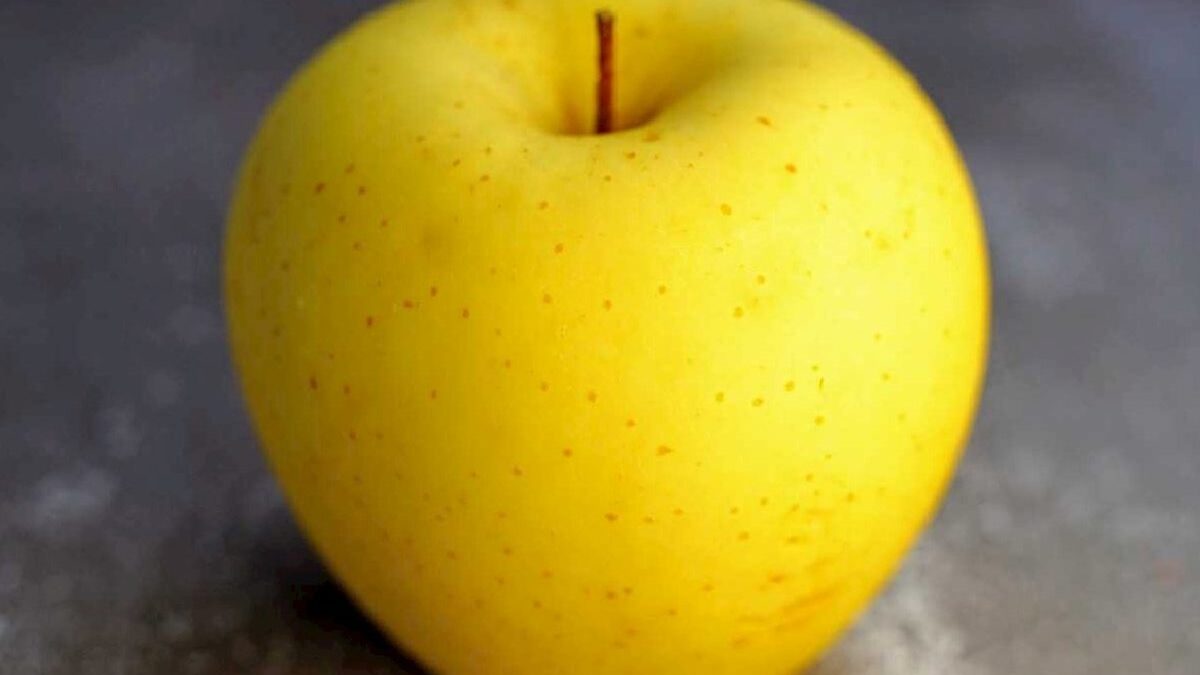
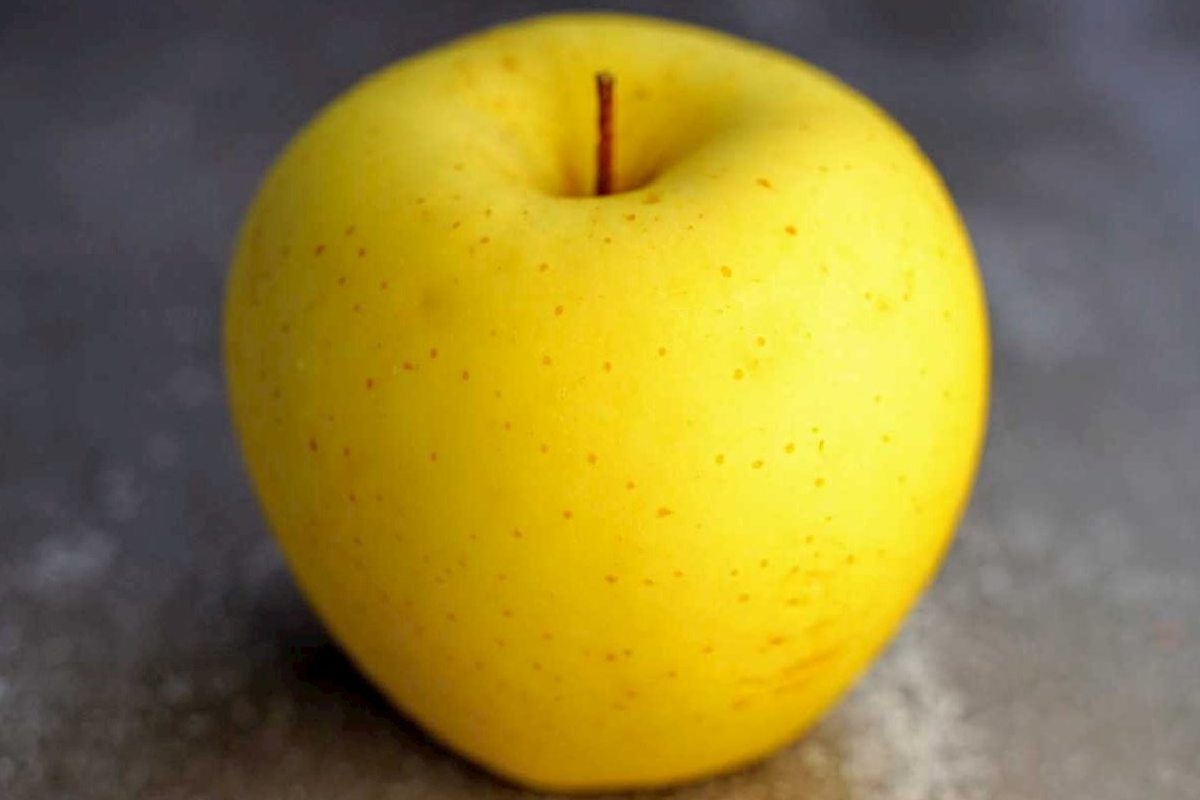
Thin, yellow skin often with small lenticels (spots).
-
Pale, white to buff-colored flesh and a fine, smooth texture.
Site Selection and Planting Basics
Yellow apples are the same as other apple trees in that they need to be planted in appropriate conditions: full sun, good depth of soil, and adequate air circulation. The site you pick should be able to provide six hours of direct sunlight at least during the day. The good thing about a gentle slope is that it can get rid of the cold air and extra water that would be left around the trees thus giving less chance of frost and diseases.
The majority of gardeners go for grafted trees on semi-dwarf or dwarf rootstocks as these are of a manageable height and fruit can be seen earlier than that of full-size standards. Make the hole wide enough to lay the roots out straight without bending them and plant the tree with the graft union just a little bit above the soil level and give it a good watering.
After which, mulch with straw, wood chips, or leaf mold to keep the soil wet and prevent the growing of weeds, but allow some space from the trunk for the mulch so that rot and rodent damage can be avoided.
Proper Care of Yellow Apple Trees Through the Seasons
With regular and proper caring yellow apples can stay fruitful for years to come. During the first three seasons, the main focus should be on the development of a strong support system of branches and a good root system. Newly planted trees need to remain watered on a regular basis if the weather is dry. Water the trees thoroughly rather than giving them a light watering. Once they have become mature, apple trees will be fairly drought resistant but still, they will be more attractive if given water during a long dry spell especially at the time when fruits are developing.
Pruning should preferably remain done in late winter when the trees have no leaves and it’s very easy to see their structure. The objective is a shape that is open and allows the sun to reach each branch as well as air to move freely through the canopy. You should cut out those branches that are crossing, growing inside the tree, or are too close to each other. Overly strong shoots should remain shortened so that fruiting spurs remain developed. In the case of yellow varieties like Golden Delicious, exposure to good light is quite important as it assists the development of sweetness and the typical golden color.
Regular examination enables to prevent pests and diseases in time. Apple diseases which are common include scab, powdery mildew, and insect pests such as codling moth and aphids. A lot of country gardeners rely on a mixture of cultural practices—like raking fallen leaves, thinning fruit, bringing in beneficial insects, and using disease-resistant varieties—to lessen the problems. If you also go for organic ways, then easy-to-use things like sticky traps, oil sprays for dormancy, and biological controls can be your seasonal work partners.
Growing & Postharvest Notes
| Factor | Golden Delicious Response |
|---|---|
| Climate Suitability | Prefers warm climates but widely adaptable |
| Disease Susceptibility | Higher susceptibility to scab, fire blight, and viruses compared with some other cultivars |
| Storage Sensitivity | Water loss and bruising require gentle handling and controlled atmosphere storage to maintain quality |
When and How to Harvest Yellow Apples
It is all about timing that one can get the best taste and storage life of yellow apples. One can tell that the fruit is still early if it is starchy or if it remain left for a longer time it might become mealy or just fall off. Some of the signs of ripeness are the background color of the fruit changing from greenish to creamy yellow, the seeds becoming dark brown, and the fruit that comes off easily when lifted and twisted.
Yellow apples show the bruises on themselves more than the dark ones; hence, they have to remain handled with care. Do not put them in a hard container but rather use a basket or a crate with some soft material inside. Besides that, if it is possible for you to do, carry out the harvest on dry days. A wet fruit is more susceptible to molds while remain stored, and working in damp places can make the disease spores remain more spread among the leaves and flowers of the next year’s cycle.
If there are long keeping varieties, the fruits should remain fully grown and have a good color but still be a little bit firm when they remain picked. Those that remain used for direct consumption or cooking can remain kept for a little while longer to get extra sweetness. Gathering the harvest, windfalls, bruised, or insect-marked apples should remain put in different containers for rapid processing into sauce, cider, or treats for farm animals.
Traditional Storage Methods for Country Homes
One of the major advantages of many yellow apples is their capability to store them for a long time, thus, providing fresh fruit even after the trees have shed their leaves. The best place for storage is one that is cold, dark, and has a little bit of moisture – a typical cellar, an unheated pantry, or a shed apple rack that is not freezing. Temperature slightly above zero and up to about 4–5°C (around 39–41°F) is perfect, and if the humidity is moderate, it will be a great protection against shriveling.
Apple storage starts with the selection of fruits that are healthy and without any defects. Store them in single layers on wooden slats, cardboard trays, or shallow crates. Some homesteaders also use paper for wrapping each apple since it makes the moisture loss slow and thus, the chances of rot remain reduced. Different varieties should remain kept apart from each other and also labeled because it will be easier to consume those with the shortest keeping life first.
Make it a habit to inspect the apples that remain put away in the autumn and winter months. Take out the ones which have soft spots, mold, or a strong off smell. Even if the cellar is perfect, some fruits will go bad; therefore, only a small number and at an early stage they will be able to protect the rest. When kept under proper conditions, a lot of yellow apple varieties can last for a few months and thus, be a source of your own orchard flavor even during the deep winter.
Yellow Apples in the Country Kitchen
Once yellow apples are in your possession, country kitchen is like a place of amusement. Due to their lightly sweet taste and moderate acidity, the apples can remain used in numerous recipes. Here are some of the tried and tested ways:
Fresh eating and lunchbox treats –
Thin-skinned, crispy yellow apples are just the thing to remain taken directly from the fruit bowl. Their slight sweetness goes perfectly with cheese, nuts, and rustic breads.
Pies, crisps, and cobblers –
Sturdy, late-season yellow apples not only retain their shape when baked but also taste delicious as you can see the slices under a crumble or pastry lid. Using a tart one mixed with a sweet gives more depth to the pies.
Applesauce and apple butter –
Less fibrous yellow apples become very quickly and easily completely smooth when cooked. At the same time, you can do it with the skins on for the color, and then you can either mill or blend the mixture once it is tender. Apple sauce that remain only lightly sweetened is very good for freezing and is the basis for flavored apple butter.
Chutneys and savory preserves –
Yellow apples are a source of gentle sweetness in onion or tomato chutneys and thus, become an ideal companion of farmhouse cheeses or cold meat. Their firm structure means the pieces will be there in the jar.
Cider and juice –
Some yellow apples may be a source of floral notes as well as balanced acidity in the case of fresh juice or small batch cider. Mostly a blend of varieties will have the most interesting flavor.
In a country house, these dishes are just seasonal rotations. Early apples can remain eaten fresh and used for baking late summer tarts. Most of the autumn harvest remain turned into jars, bottles, and frozen containers which remain then added to the already packed pantry of jams and pickles. The stored apples come out during winter for making quick desserts, skillet pork with apples and onions, or a fast sauce which remain served warm on pancakes and porridge.
Nutrient Density Compared to Other Apples
| Nutrient | Golden Delicious (per 100g) | Typical Apple Range (general) |
|---|---|---|
| Calories | ~50–55 kcal | ~45–60 kcal |
| Fiber | ~2.4–4 g | ~2–4 g |
| Vitamin C | ~4.6 mg | ~4–12 mg (varies with cultivar) |
| Potassium | ~107–169 mg | Typical apples supply modest potassium levels |
Bringing Yellow Apples Into Your Country Lifestyle
Yellow apples are an integral part of the “home and hearth” natural cycle of rural living. They help to keep the seasons in memory: flowering and bees in spring, rest under leafy branches in summer, baskets and ladders in autumn, and a quiet cellar full of sleeping fruit through winter.
Just by selecting a few good varieties, giving the trees decent care, and mastering the old but trustworthy skills of harvesting and storing, the taste of yellow apples can be yours all year round.
Whether you have a full orchard or just two trees by the back fence on your country property, yellow apples will return your care by giving you beauty and plenty. Their bright color in a wooden bowl, the aroma of a baking pie, or the sound of jars sealing on the cooling rack are all parts of the feeling of a well-kept country home that remain enhanced by yellow apples. With thoughtful planting and a little bit of practice, the “delicious world of yellow apples” can be the main, comforting thread in your own farmhouse story.

Afiya Jafar
Afiya Jafar is a lifestyle and home living writer at Country Living Blog who focuses on simple, practical and comfortable approaches to everyday living. Her content covers home improvement, gardening, interior ideas, décor, household organisation and lifestyle topics.
View Author Profile →
Sameena Begum
Sameena Begum is a lifestyle, home and digital content reviewer who reviews selected Country Living Blog articles for clarity, organisation, consistency and reader usefulness.
View Reviewer Profile →