
Last Updated: September 9, 2026
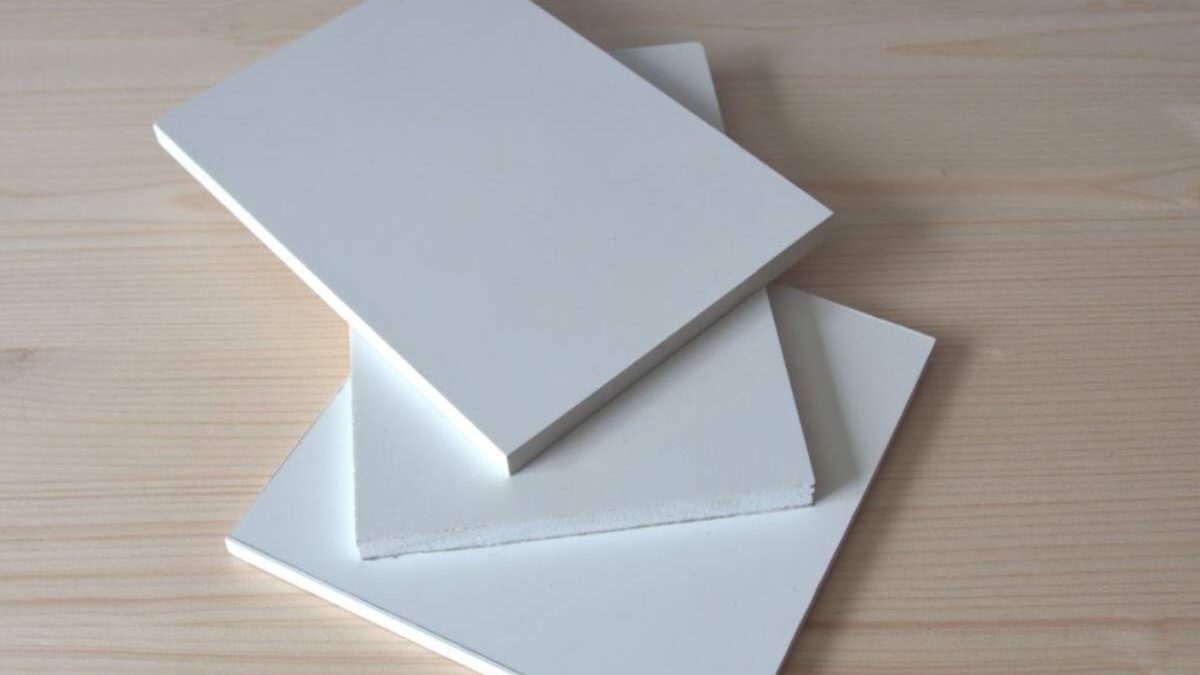
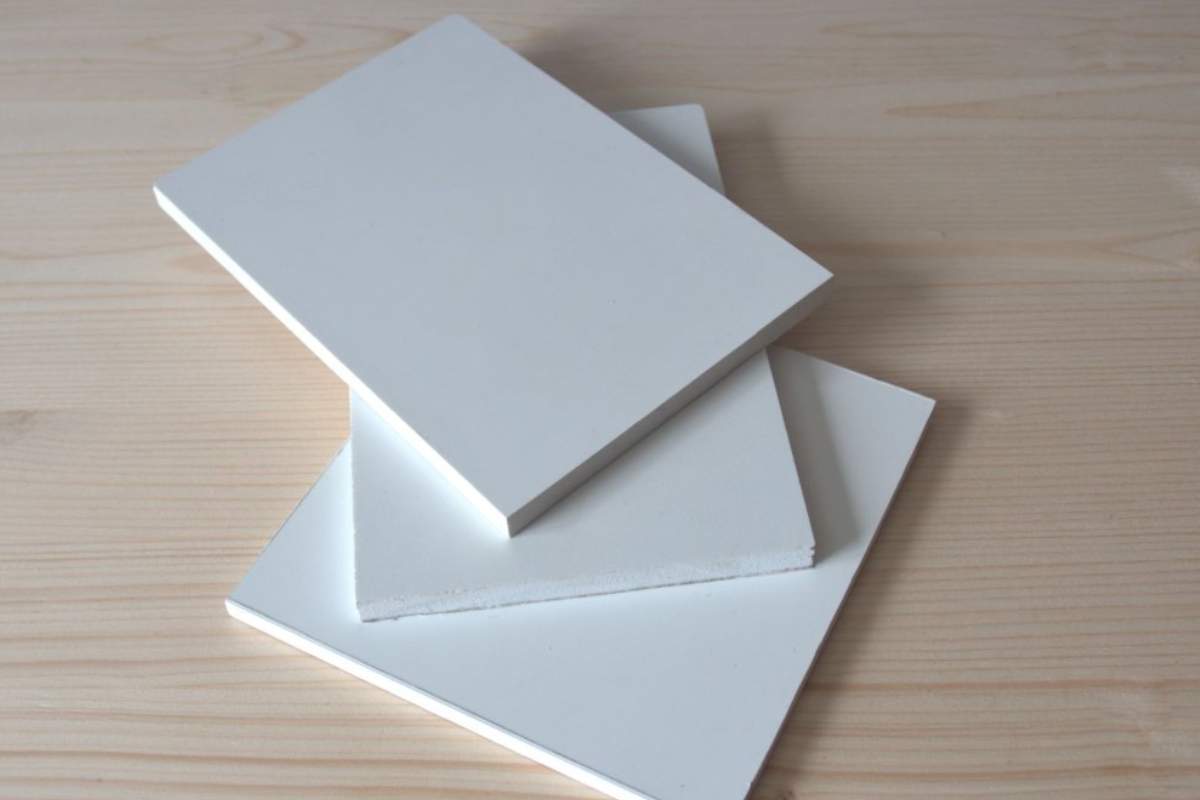
Foamex (closed-cell PVC foam sheet) remains the everyday workhorse for signage, displays and a long list of semi-engineering jobs. It’s light, cheap, prints beautifully and you can work it with the tools you already own. It’s not Dibond and it’s not acrylic – it sits right in the middle. Here’s the current, real-world picture.
This article belongs to Lifestyle & Wellness
Table of Contents
What Foamex actually is?
“Foamex” began as a Palram trade name but in the UK, Ireland, Australia and most of Europe everyone now uses it generically for any expanded PVC sheet – same way we say Hoover for vacuum cleaner.
It’s an extruded PVC foam with a closed-cell core and solid outer skins. Nothing like the crumbly open-cell polystyrene you get in packaging.
The numbers that matter (2024 data, 3 mm sheet)
| PropertyFoamexAcrylicPolycarbonateDibond/ACP | ||||
|---|---|---|---|---|
| Density | 0.5–0.7 g/cm³ | 1.18 | 1.20 | 1.5–1.7 |
| Tensile strength | 25–40 MPa | 50–77 | 55–75 | 30–40 |
| Water absorption (24 h) | < 0.5 % | 0.3–0.4 % | 0.15–0.2 % | virtually 0 |
| Fire rating | B-s1,d0 / Class 1 | B2 (burns) | B1 | A2 core |
| Thermal expansion | 5–7 × 10⁻⁵ | 7 × 10⁻⁵ | 6.5 × 10⁻⁵ | 2.4 × 10⁻⁵ |
| Rough price index | 1.0 | 1.8–2.5 | 2.5–3.5 | 2.0–2.8 |
Takeaway: half the weight of acrylic, self-extinguishes, costs a lot less. Starts to soften above ~65 °C and gets brittle below about -20 °C, but that rarely causes problems on real jobs.
Where it’s actually being used right now
Advertising & retail (still roughly 42 % of total volume)
- Direct UV flatbed printing on 3–10 mm is now excellent – coated boards hit 98 % Adobe RGB.
- 5–10 mm with routed LED channels for edge-lit and back-lit work.
- Textured finishes (brushed metal, linen, canvas) are all over high-end retail fit-outs.
Construction
- 6–19 mm for feature walls, wet-room cladding, suspended ceilings (Class 1 or better fire-rated grades).
- Temporary site hoarding and protection – shrugs off wet plaster and concrete splatter.
- Perforated acoustic panels when you need NRC 0.6–0.8.
Transport
- Higher-density marine and aerospace grades (0.8–1.2 g/cm³) for boat interiors and non-structural cabin parts.
- Rail and bus interior panels with EN 45545 or FST compliance.
Medical / cleanroom
- Antimicrobial (silver-ion) versions for wall linings.
- ESD grades for electronics plants.
- Gamma-sterilisable trays (25–50 kGy) – special order only.
Art & photography
- Archival giclée mounts on 10–19 mm.
- Seamless studio backdrops with perfect diffusion.
The green picture It’s never going to be bamboo, but it’s improved a lot:
- Mechanical recycling is straightforward – 3–5 cycles typical.
- Chemical recycling (Vinyloop-type processes) recovers 96 % pure PVC.
- Most big manufacturers now offer carbon-neutral or 30–70 % recycled-content sheet if you ask.
For more information about PVC sheet recycling and compliance, Palram’s PVC sheet guidance provides additional information.
Cutting and finishing without drama
- CNC: 12–18 k rpm, single-flute upcut, plenty of air cooling.
- Laser: possible but you need serious extraction for the HCl fumes.
- Glue: Tensol 12, acrylate structural adhesives or the newer MS-polymer options.
- Thermoform: 135–150 °C, heat both sides evenly.
Standards & compliance (the boring but essential bit) EU: REACH/RoHS fine. UK/US: Class 1 and UL 94 grades readily available. Marine: DNV-GL/ABS grades in stock. Rail: EN 45545-2 versions standard at the main suppliers. Food contact: only the specific certified grade – normal sheet isn’t.
What’s coming following couple of years
- Conductive versions with printed circuits for interactive displays.
- Virtually phthalate-free formulations already below 0.1 %.
- Foamex-aluminium laminates for when you want Dibond looks at lower weight.
Quick FAQ from the people who spec it every day
Q: Can it carry any real load?
A: Not really. 19 mm sags at ~15 kPa continuous. Anything structural, look elsewhere.
Q: Foamex or Dibond outdoors?
A: Dibond for 15–20-year flatness. UV-stabilised Foamex with laminate is good for 5–8 years and half the price.
Q: Temperature limits?
A: 60 °C normal service, 65 °C it starts to soften.
Q: Food safe?
A: Only the specially certified grade – ask for the migration certificates.
Bottom line
In 2024–2025 Foamex is still the sweet spot for lightweight, printable, easy-to-fabricate jobs that don’t need to last forever or carry serious weight. Pick the right grade (fire, UV, density, recycled content) and it will do the job brilliantly 95 % of the time.
Need the very latest data sheet or a niche grade? Pick up the phone to your supplier’s technical desk – the exact formulations change faster than any article can track
For additional practical reading, you can also explore essential oils for hair growth, online tutoring in maths for your child, and weather conditions.