
Last Updated: October 13, 2026
Defects, damages or failures in a roofing system that affect the capacity of the roofing system to shield a building against weather, moisture and heat exchange. There are water leakage, material damages, and structural problems and maintenance issues. To avoid expensive interior damage and safety risks, it is necessary to find the problem as soon as it occurs and fix it before it becomes a problem.
As such, knowing what to watch out may be in order to ensure that small problems do not turn out to be big headaches. In this guide, the best five roof issues that you cannot afford not to take care of will be discussed. Whether it is water leaks, broken flashings, we will discuss all you need to know to ensure your roof is in its best condition and also safeguard your investment in the future.
This article belongs to Roofing & Gutters
Table of Contents
Common Roof Problems
| Roof Problem | Description | Typical Causes |
|---|---|---|
| Roof Leaks | Water entering the home through the roof or ceiling | Damaged flashing, broken shingles, poor waterproofing, ice dams |
| Missing / Damaged Shingles | Tiles or shingles cracked, curled, blown off or missing | High winds, storms, aging materials, improper installation |
| Faulty Roofing Materials | Roof materials failing prematurely | Poor-quality materials, wear from weather |
| Water Damage / Pooling (Ponding) | Water standing on the roof surface leading to leaks or structural wear | Inadequate drainage, flat roofs, clogged gutters |
| Improper / Poor Installation | Roof not installed to standards | Inexperienced contractors, incorrect techniques |
| Damaged Flashing | Cracked or loose flashing around roof penetrations | Wear, seal failure, temperature movement |
| Clogged Gutters | Backed-up gutters causing overflow onto roof edges | Debris build-up, leaves |
| Ventilation & Insulation Issues | Poor air circulation in attic leading to moisture and heat problems | Blocked vents, insufficient airflow |
| Sagging or Structural Weakness | Roof deck bending under weight | Long-term water infiltration, snow load, weakened support |
| Biological Growth (Moss/Algae) | Plant growth trapping moisture | Shaded damp conditions, debris, lack of sunlight |
| Ice Dams | Ice build-up at roof edges blocking drainage | Freeze–thaw cycles, uneven roof temperature |
The Real Cost Of Ignoring Problems With Your Roof
Neglecting the issues with the roof may cost a lot of money in fixing them, and this can be a huge liability. As an illustration, a tiny roof leakage or broken tiles can make water creep into your house leading to mould and mildew growth, undermining the structural standing of your home, and health problems in the long run to you and your family. Leaking roof can also decrease the energy efficiency of your home leading to more consumption of energy and high utility bills. It may also decrease the curb appeal and value of reselling your residence.
Therefore, roof issues should be resolved immediately to ensure that they do not grow to be worse and expensive. Usually, the proactive maintenance can get you far in ensuring that the issues before they happen thus saving you money in the long run. The most frequent issues with roofs are:
Water Damage and Leaks
The most prevalent roof issues that most homeowners will experience at one time or another would be water damage and leaks, which may take various forms such as damaged/or missing roof materials, cracks in the roof, or in areas of the chimney or vents. These are the signs that should not be overlooked because they will not only damage the structural integrity of your house but also cause the growth of mould and mildew.
When you start seeing the water spots or color changes on your ceiling or walls, then it may be the sign that your internal structure has been broken. Here, it is always good to have a professional roofing contractor examine your roof on whether it has any water damage and have him repair your roof.
1. Symptoms of Roof Leaks and Water Infiltration
| Symptoms |
|---|
| Water stains on ceilings or walls |
| Mold, mildew, or damp odor |
| Dripping water during rainfall |
| Peeling paint or bubbling drywall |
| Granules or debris in gutters |
| Sagging roof sections |
2. Causes of Roof Leaks and Water Infiltration
| Causes |
|---|
| Damaged, cracked, or missing shingles |
| Worn or improperly installed flashing |
| Cracked or leaking skylights, vents, or chimneys |
| Ponding water on flat roofs |
| Clogged gutters or poor drainage |
| Poor roof slope or structural damage |
3. Preventive Measures for Roof Leaks
| Preventive Measures |
|---|
| Conduct annual roof inspections and after storms |
| Repair or replace damaged shingles and flashing promptly |
| Ensure proper attic ventilation to reduce moisture buildup |
| Install high-quality waterproof underlayment |
| Keep gutters and downspouts clean and functional |
| Trim overhanging trees to prevent debris accumulation |
Keeping gutters and downspouts clean is especially important for preventing water from backing up against the roof. Regular gutter maintenance can help improve drainage and protect the roof system.
4. Solutions for Roof Leaks
| Solutions |
|---|
| Professional leak detection and repair |
| Flashing resealing or replacement |
| Roof patching or membrane repair for flat roofs |
| Partial or full roof replacement if damage is extensive |
| Mold remediation if interior contamination occurs |
| Improve drainage and roof slope where necessary |
When water intrusion extends below the roof structure, additional waterproofing may be necessary. Modern basement waterproofing trends can provide useful information about protecting lower areas of a property from moisture.
Sagging or Drooping Roof
Sagging roof may be a result of many factors such as damaged or defective roof decking, insufficient support, or overloading of the roof such as use of improper tiles. It is normally a serious issue that might need an urgent remedy since it might result in gross structural damage, loss of security of your house and, in a worst scenario, a roof collapse. When you observe that your roof is sinking or falling in some places then you need to call a professional roofing contractor and have the issue resolved.
1. Symptoms of Structural Sagging
| Symptoms |
|---|
| Visible sagging or uneven roofline |
| Bowing or drooping ceilings in the interior |
| Cracks in walls or around door and window frames |
| Water pooling in low spots on the roof |
| Creaking or unusual noises from the roof structure |
| Difficulty opening or closing doors/windows due to frame shifts |
2. Causes of Structural Sagging
| Causes |
|---|
| Excessive weight from snow, ice, or water accumulation |
| Overloading due to heavy roofing materials or additional layers |
| Aging or weakened rafters, trusses, or support beams |
| Poor construction or substandard structural design |
| Termite, rot, or insect damage to wood framing |
| Water damage from leaks causing wood or materials to deteriorate |
3. Preventive Measures for Structural Sagging
| Preventive Measures |
|---|
| Conduct regular roof and attic inspections |
| Ensure proper roof design to handle expected loads (snow, wind, etc.) |
| Treat wood framing for pests and moisture protection |
| Maintain proper drainage to prevent water accumulation |
| Avoid adding excessive weight to the roof |
| Repair minor structural issues promptly before they worsen |
4. Solutions for Structural Sagging
| Solutions |
|---|
| Consult a structural engineer for assessment and repair plan |
| Reinforce or replace weakened rafters, trusses, or support beams |
| Remove excess weight or snow accumulation from the roof |
| Repair or replace water-damaged materials |
| Rebuild or partially reconstruct the roof if sagging is severe |
| Install additional supports or bracing to redistribute roof load |
Missing/ broken Shingles or Tiles
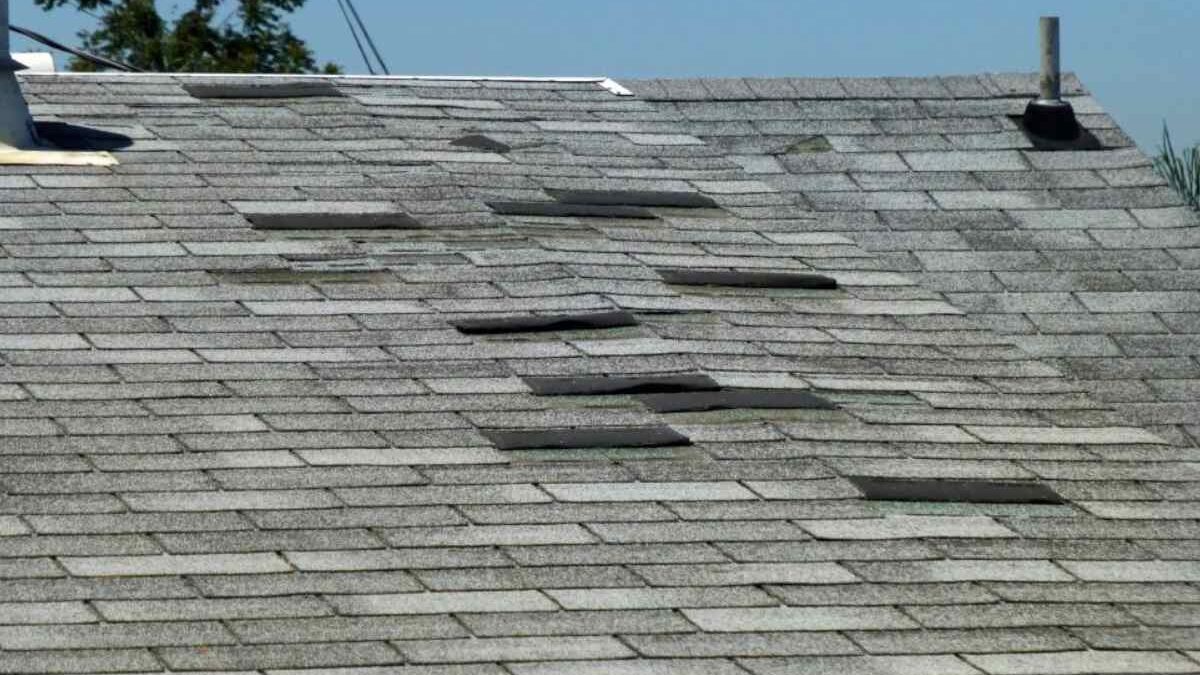
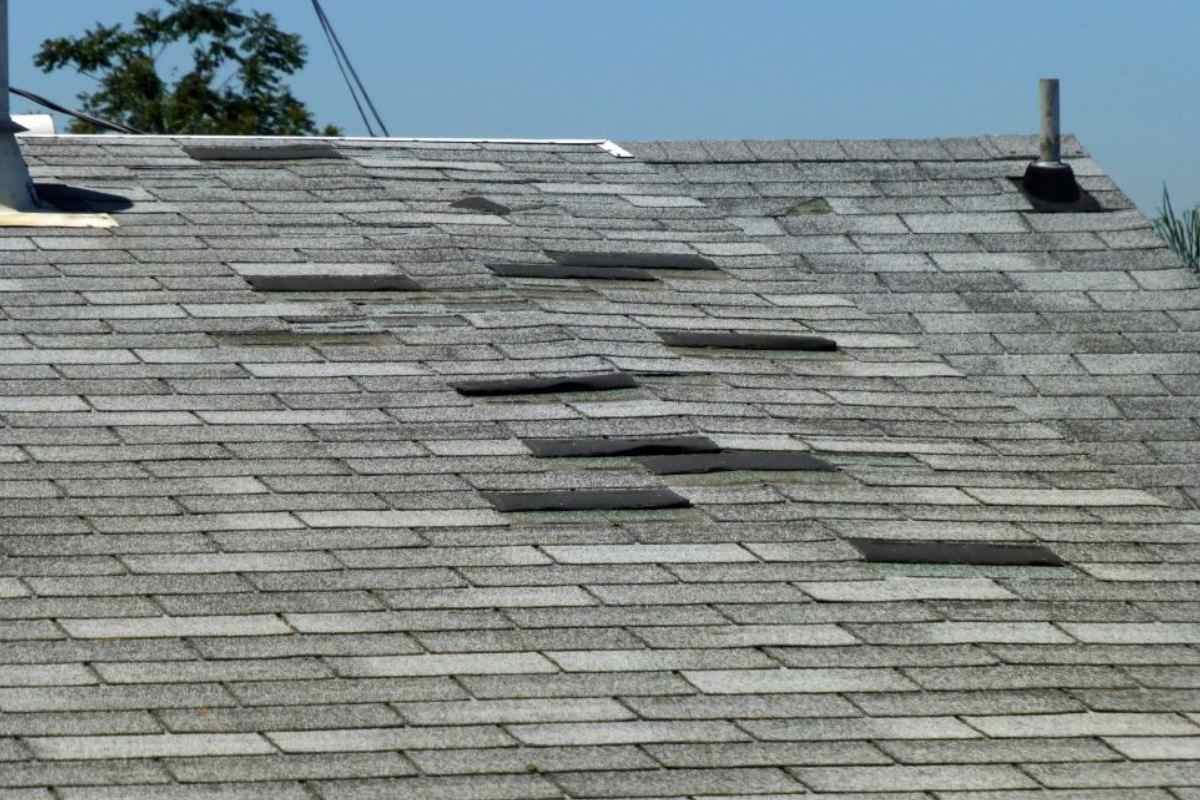
Another problem that is likely to undermine the capacity of your roof in safeguarding your house against various weather conditions is defective roofing material or lack of it. Most of the instances will be missing or broken roof shingles or tiles as the result of harsh climatic conditions, natural deterioration, broken roof tile fasteners, or faulty construction. To ensure that you are not missing or damaged roofing material.
The most appropriate way is by examining the exterior of your roof as you stand outside or by walking around your property following the extreme weather conditions like a high wind or storm. In case you find any evidences that your roof tiles have been damaged, then you must immediately change them because neglecting this issue may lead to water seeping inside the structure and hence cause a big trouble and expensive repair expenses later.
1. Symptoms of Damaged or Missing Shingles
| Symptoms |
|---|
| Visible cracks, curls, or missing shingles |
| Granule loss on shingles or in gutters |
| Leaks or water stains in the attic or ceiling |
| Shingles that appear warped, blistered, or buckled |
| Increased energy costs due to poor insulation |
| Loose shingles that flap during wind |
2. Causes of Damaged or Missing Shingles
| Causes |
|---|
| Severe weather events (wind, hail, heavy rain) |
| Aging and natural wear of roofing materials |
| Poor installation or low-quality shingles |
| Foot traffic or mechanical damage |
| Thermal expansion and contraction causing warping |
| Impact from falling branches or debris |
3. Preventive Measures for Shingle Damage
| Preventive Measures |
|---|
| Conduct regular roof inspections, especially after storms |
| Replace worn or damaged shingles promptly |
| Use high-quality shingles suitable for local weather conditions |
| Trim overhanging trees to prevent branch damage |
| Minimize roof traffic and use proper safety measures when walking on roof |
| Ensure proper attic ventilation to reduce heat buildup |
4. Solutions for Damaged or Missing Shingles
| Solutions |
|---|
| Replace missing or severely damaged shingles |
| Repair minor cracks or curling with appropriate roofing sealant |
| Inspect and repair flashing or underlayment beneath shingles |
| Consider partial or full roof replacement if widespread damage exists |
| Strengthen roof structure if underlying issues contribute to shingle failure |
| Schedule professional inspection for recurring shingle problems |
Cracked or Warped Flashing
A flashing is an element of the roof that encloses the joints and seams of your roof like chimneys and water cannot creep into your house. The majority of flashings are created out of aluminium, which is likely to crack or bend with the passing of time as it is exposed to weather conditions and age. Nevertheless, poor installation is among the most widespread reasons of accelerated wear and tear. In case of any internal water damage or development of moulds, there may be a possibility that the flashing may be damaged and this will have to be fixed or replaced immediately.
1. Symptoms of Flashing Failures
| Symptoms |
|---|
| Water leaks around roof joints, chimneys, skylights, or vents |
| Stains on interior ceilings or walls near roof penetrations |
| Rusted, cracked, or loose flashing observed |
| Peeling paint or warped siding near flashing areas |
| Ice dams forming along roof edges in colder climates |
| Mold or mildew growth around roof penetrations |
2. Causes of Flashing Failures
| Causes |
|---|
| Improper installation or poor workmanship |
| Aging, rust, or corrosion of metal flashing |
| Physical damage from wind, hail, or falling debris |
| Thermal expansion and contraction leading to gaps |
| Clogged gutters causing water backflow |
| Deterioration of roofing sealant or caulking |
3. Preventive Measures for Flashing Failures
| Preventive Measures |
|---|
| Inspect flashing at least annually and after storms |
| Ensure professional installation with proper materials |
| Re-seal joints and edges with high-quality roofing sealant |
| Keep gutters and downspouts clean to prevent water accumulation |
| Replace corroded or damaged flashing promptly |
| Avoid walking or applying weight directly over flashing areas |
4. Solutions for Flashing Failures
| Solutions |
|---|
| Reseal flashing joints with roofing sealant |
| Replace damaged, corroded, or improperly installed flashing |
| Inspect and repair surrounding shingles or roofing materials |
| Reinforce flashing around high-risk areas such as chimneys and vents |
| Ensure proper overlap and waterproofing integration with the roofing system |
| Hire professional roofing contractors for major or recurring flashing issues |
Moisture build-up
This happens because of poor ventilation or insulation at the place where your home is located, thus the accumulation of moisture. Excess moisture will have excessive humidity and minimal or no movement of air leading to problems of condensation and even mould and mildew. This can lead to stuffiness and can even aggravate some of the health problems especially when there are problems with breathing in the family or the family has one member with some form of chronic respiratory problems like allergies and asthma.
Should there be any form of moisture collected in the form of condensation or dampness then it is always a good idea to have a professional inspect the loft space. They can propose the most suitable action to be undertaken to improve the ventilation and insulation of your house and eradicate the presence of moisture in future.
1. Symptoms of Poor Roof Ventilation
| Symptoms |
|---|
| Excessive heat buildup in the attic |
| High indoor temperatures in upper floors |
| Ice dams forming on roof edges in winter |
| Moisture accumulation, condensation, or mold growth in attic |
| Premature aging or curling of shingles |
| Increased energy costs due to inefficient cooling |
2. Causes of Poor Roof Ventilation
| Causes |
|---|
| Insufficient intake or exhaust vents in the attic |
| Blocked vents due to insulation, debris, or pest nests |
| Improper installation of ridge, soffit, or gable vents |
| Sealed or air-tight attic spaces without proper airflow |
| Attic obstructions preventing free air circulation |
| Use of roofing materials that trap heat without adequate ventilation |
3. Preventive Measures for Poor Roof Ventilation
| Preventive Measures |
|---|
| Ensure proper number and placement of intake and exhaust vents |
| Regularly inspect and clear vents of debris or insulation blockages |
| Install ridge, soffit, or gable vents if absent or insufficient |
| Maintain proper attic insulation without covering vents |
| Conduct periodic attic inspections to detect airflow issues |
| Use reflective roofing materials to reduce heat buildup |
4. Solutions for Poor Roof Ventilation
| Solutions |
|---|
| Install additional attic vents or improve existing ventilation |
| Clean or repair blocked vents |
| Reconfigure insulation to allow proper airflow without gaps |
| Use attic fans or passive ventilation systems to enhance airflow |
| Inspect and upgrade roofing materials if heat retention is excessive |
| Consult a roofing or HVAC professional for complex ventilation problems |
DIY roof repair vs. hiring a professional
Although certain simple roof repairs may be a DIY project, one has to be able to know when to stop. Trying to fix a roof without the right knowledge, experience, and tools, may lead to additional injuries and expensive reparations, not to mention the health and safety threats yourself. As such, it is never too bad to call a Click here to contact a professional roofing company contractor or construction company so that the work can be performed correctly and safely to secure your interests as well as your home will not be damaged any more.
For larger or more complicated roofing work, hiring a roofing contractor can help homeowners find qualified professionals who can properly inspect and address roofing problems.
| AspectDIY Roof RepairHiring a Professional | ||
|---|---|---|
| Cost | Lower upfront cost; only materials needed | Higher cost due to labor and expertise |
| Skill Requirement | Requires basic roofing knowledge and tools | No prior skill needed; professional experience ensures quality |
| Time | Can take longer depending on experience and complexity | Faster completion due to trained crew and proper equipment |
| Safety | Higher risk of falls, injuries, or improper handling | Safer; professionals follow safety protocols |
| Quality & Longevity | May be temporary or prone to errors | Higher reliability and long-lasting results |
| Scope of Work | Suitable for minor repairs (shingle replacement, small leaks) | Can handle complex issues (structural damage, large leaks, flashing) |
| Warranty / Liability | No warranty; homeowner bears all responsibility | Often comes with warranty; professional liability coverage |
| Tools & Equipment | Homeowner must provide basic tools | Professionals have specialized tools and equipment |
| Inspection & Diagnosis | Limited to visible issues | Professionals can identify hidden problems before they worsen |
When to Seek Professional Roofing Services
| Situation / IndicatorReason to Seek Professional Help | |
|---|---|
| Persistent or recurring leaks | Indicates underlying roofing or structural issues that DIY cannot fully fix |
| Visible sagging or structural damage | Safety concern; requires expert assessment and repair |
| Widespread shingle damage or missing shingles | Full or partial replacement may be needed to ensure roof integrity |
| Damaged or failing flashing | Professionals can correctly seal or replace flashing to prevent leaks |
| Roof near or past its expected lifespan | Aging roofs may need inspection, reinforcement, or replacement |
| Water damage or mold inside the building | Professionals can handle both roof repair and interior remediation |
| Complex roof features (chimneys, skylights, valleys) | Expertise needed for proper installation and waterproofing |
| Recent severe storm or extreme weather impact | Professionals can assess hidden damage and prevent future problems |
| Warranty compliance requirements | Certified inspection or repair may be required to maintain warranty |
| Uncertainty about cause or extent of damage | Experts can diagnose and recommend long-term solutions |
Homeowners looking for local roofing expertise can also consider a roofing contractor in Guelph when professional inspection or repair is required.
Roofing material can also influence long-term performance. For homeowners considering alternative materials, understanding the most efficient color of a metal roof can be useful when evaluating energy efficiency and roofing options.
If your home includes rooflights or skylights, they can also become potential points for moisture intrusion if they are not properly installed and maintained. Learn more about flat rooflights when considering roof features that introduce natural light into a building.
For general information about roof maintenance and moisture-related protection, the U.S. Department of Energy roofing guidance provides additional information for homeowners.
Conclusion
Issues that affect the roof might be cosmetic and minor but structural failure is very serious and early detection is important to avoid incurring high expenses on repairing and also to maintain the security and life of the house. Essentially, the common symptoms are similar in ordinary issues such as leaks, torn shingles, broken flashing, improper ventilation and structural sagging and, as such, must be checked and repaired on a regular basis.
Whereas one can engage in simple repairs by qualified home owners, in the case when the issue is chronic, diffuse or systemic, then professional analysis is required to make sure that proper solutions are embraced and the issue resolved over the long term. Prevention measures, repairs and professional recommendations are always proactive and this implies that they not only conserve your property, they also retain its value and energy efficiency.

Afiya Jafar
Afiya Jafar is a lifestyle and home living writer at Country Living Blog who focuses on simple, practical and comfortable approaches to everyday living. Her content covers home improvement, gardening, interior ideas, décor, household organisation and lifestyle topics.
View Author Profile →
Sameena Begum
Sameena Begum is a lifestyle, home and digital content reviewer who reviews selected Country Living Blog articles for clarity, organisation, consistency and reader usefulness.
View Reviewer Profile →