
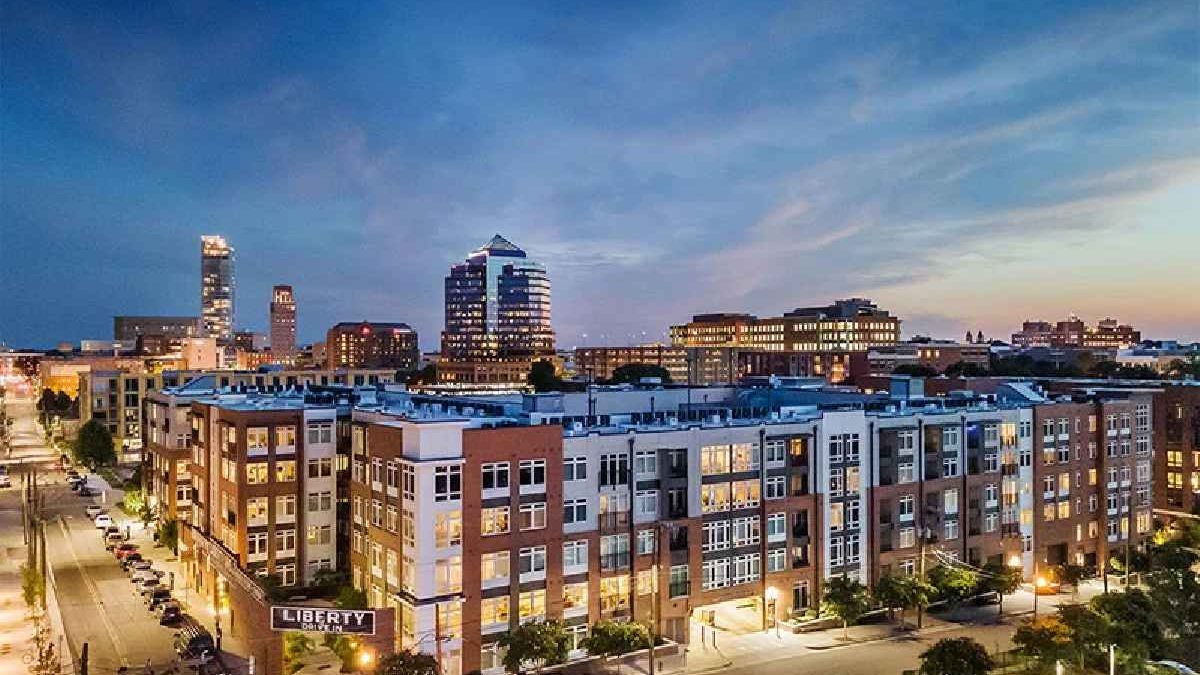
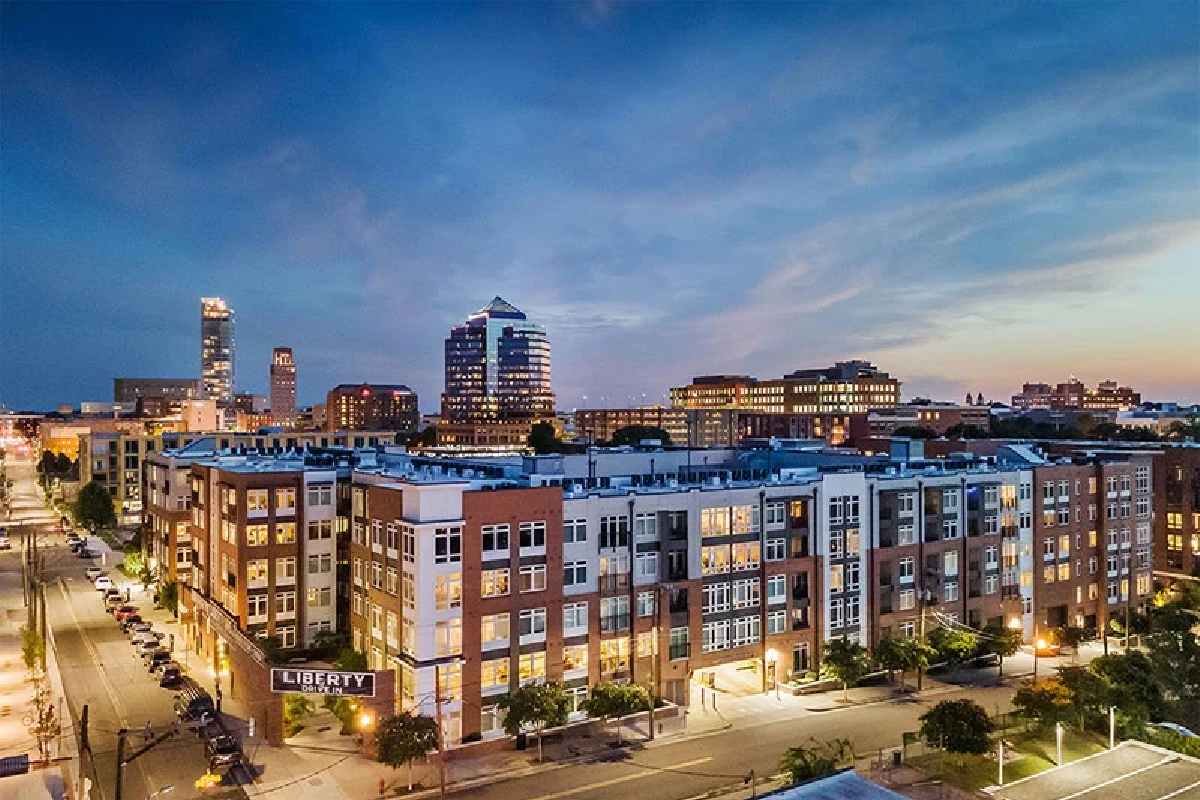
The “Charlotte Dream” represents a powerful allure: a major city with a thriving economy, Southern charm, and a comparatively affordable cost of living. But what does that dream look like in today’s real estate market? Whether you’re a first-time homebuyer, a relocating professional, or an investor, navigating the Queen City’s housing landscape requires current data and local insight. This guide moves beyond the slogan to provide a clear, analytical snapshot of the Charlotte, NC real estate market in 2024, breaking down key trends, defining its most sought-after neighborhoods, and offering strategic advice for making your move.
Table of Contents
The 2024 Market Temperature
-
Market Status: Balanced, leaning slightly towards sellers. The frenzied, multiple-offer market of 2021-2022 has cooled, but low inventory and strong demand keep competition steady for well-priced homes.
-
Median Home Price: ~$410,000 (as of Q1 2024, reflecting modest year-over-year growth).
-
Key Driver: Sustained Job Growth. Major corporate hubs (Bank of America, Truist, Honeywell, Lowe’s) and a booming tech/fintech sector continue to draw new residents.
-
Biggest Challenge: Limited Inventory, particularly in the entry-level and mid-range price segments.
Market Data & Trends You Need to Know
The Numbers (Q1 2024 Snapshot)
-
Median Sales Price: $410,000
-
Year-Over-Year Appreciation: +2.5% (Significantly cooler than the 15%+ seen in 2022)
-
Days on Market (Average): 28 days
-
Months Supply of Inventory: 2.1 months (A “balanced” market is 4-6 months; below 4 indicates a seller’s market).
-
Mortgage Rate Impact: Rates hovering near 7% have tempered buyer purchasing power, causing a market shift toward price sensitivity.
2024 Trend Forecast: What Experts Are Saying
-
Price Stabilization: Expect modest, single-digit appreciation (2-4%) as the market normalizes, a healthy correction from unsustainable growth.
-
The “Move-Up” Buyer Advantage: Homeowners with significant equity from the past few years are in a strong position to sell and upgrade, as higher-end inventory ($700K+) is more plentiful.
-
Rental Market Strength: With high mortgage rates, the demand for quality rentals remains intense, making Charlotte a stable market for investment properties.
Neighborhood Guide: Finding Your Charlotte Fit
Charlotte’s market is hyper-local. Here’s a breakdown of key areas:
| Neighborhood/Vibe | Price Range (Buy) | Ideal For | Key Perks |
|---|---|---|---|
| South End | $500s – $1M+ | Young professionals, urbanites | Walkable, light rail access, breweries, modern apartments & townhomes. |
| Dilworth | $800s – $3M+ | Established professionals, families | Historic bungalows, tree-lined streets, proximity to Freedom Park & top restaurants. |
| NoDa (North Davidson) | $400s – $900s | Artists, creatives, younger buyers | Charlotte’s arts district, live music, eclectic dining, vibrant street life. |
| Myers Park | $1M – $5M+ | Luxury buyers, executives, legacy families | Stately homes, canopy roads, top-rated schools, unparalleled prestige. |
| Ballantyne | $500s – $1.5M+ | Families, corporate relocations | Master-planned, top schools, golf course, corporate park, suburban feel. |
| Plaza Midwood | $500s – $1.2M | Eclectic mix, young families | Hip, walkable main street, blend of historic homes and new builds, strong community vibe. |
| Fort Mill, SC | $400s – $900s | Families seeking value, lower taxes | Just over the state line, top-ranked SC schools, newer construction, no state income tax. |
Actionable Insights for Market Participants
For Buyers:
-
Be Prepared & Patient: Get pre-approved before you shop. Understand that while the market is less frantic, desirable homes in popular areas under $600K will still see competition.
-
Consider “B-” Locations: Look at emerging areas adjacent to hot neighborhoods (e.g., Villa Heights near NoDa, Starmount near South End) for better value and future appreciation.
-
Negotiate Concessions: With more balance, you have room to negotiate for closing cost assistance or repairs, especially if a home has been on the market for 30+ days.
For Sellers:
-
Price Realistically from Day One: Overpriced homes languish and sell for less. Work with an agent who provides data-backed Comparable Market Analysis (CMA).
-
Stage & Prep is Non-Negotiable: The market rewards turn-key homes. Invest in professional staging, photography, and minor repairs to maximize appeal.
-
Understand the “New Normal”: Be prepared for showings and a longer marketing timeline than 2021, but with the right strategy, a successful sale is highly achievable.
For Investors:
-
Focus on Rentability: Look for properties near major employment centers (Uptown, South End, Ballantyne) or near the Lynx Blue Line light rail. Multi-family and single-family rentals remain strong.
-
Long-Term Play: Charlotte’s population and economic growth fundamentals support long-term appreciation. Consider a buy-and-hold strategy.
The “Charlotte Dream” Reality Check
The Pros:
-
Economic Engine: A diverse, corporate-driven economy with low unemployment.
-
Relative Affordability: Compared to peer cities like Atlanta, Nashville, or Austin, Charlotte offers more square footage and newer homes for the price.
-
Quality of Life: Access to lakes (Norman, Wylie), the U.S. National Whitewater Center, professional sports, and a major airport.
The Cons & Considerations:
-
Traffic & Transit: The city is car-dependent. While the light rail is expanding, infrastructure struggles to keep pace with growth, leading to congestion.
-
School Variability: School quality varies significantly by district and neighborhood. Research is essential for families.
-
Climate: Hot, humid summers are the norm.
Conclusion: A Mature Market with Lasting Appeal
The “Charlotte Dream” is alive and well in 2024, but it has evolved. The market is maturing from its speculative frenzy into a more stable, fundamentals-driven environment. For buyers, this means more time to make decisions and less pressure to waive contingencies. For sellers, it demands strategic pricing and presentation.
The city’s underlying strengths—its job market, geographic appeal, and continued population growth—provide a solid foundation for its real estate market. Success now depends on local knowledge, realistic expectations, and partnering with professionals who understand the nuanced dynamics of each Charlotte neighborhood.