
Last Updated: September 8, 2026
Installing Skirting Boards
The renovation of an old farmhouse requires the acceptance of its imperfections—settled foundations, bowed walls, and floors that have the footprints of the past. Skirting boards, which are known as baseboards in some areas, are the little helpers of your walls that protect them from boots, vacuum cleaners, and furniture scuffs while at the same time, they are the framework of the room’s architectural essence.
In a vintage environment, do not think of cheap and weak materials of today; use solid wood to revive the original warmth and the patina of the house. This detailed guide will help you to choose the genuine trim, confronting those infamous uneven floors, and mounting with the methods which have been developed for structures that are hundreds of years old, thus your farmhouse trim will look like it is from the same period.
This article belongs to Home Maintenance
Table of Contents
Definition and Purpose of Skirting Boards
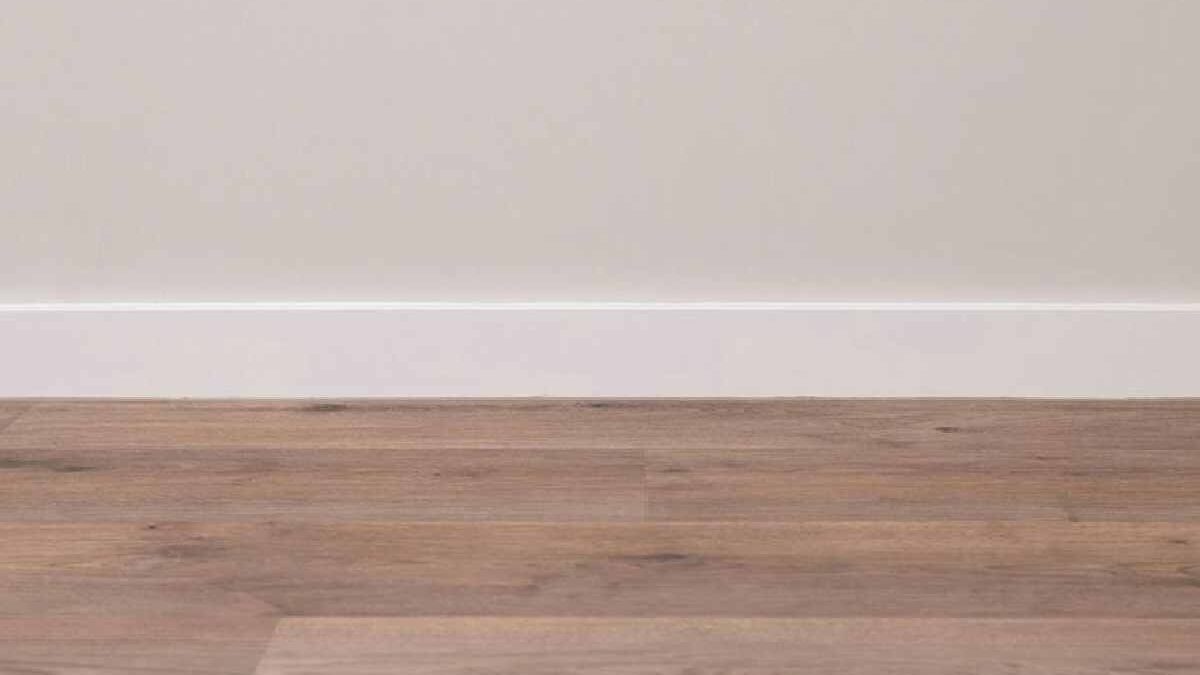
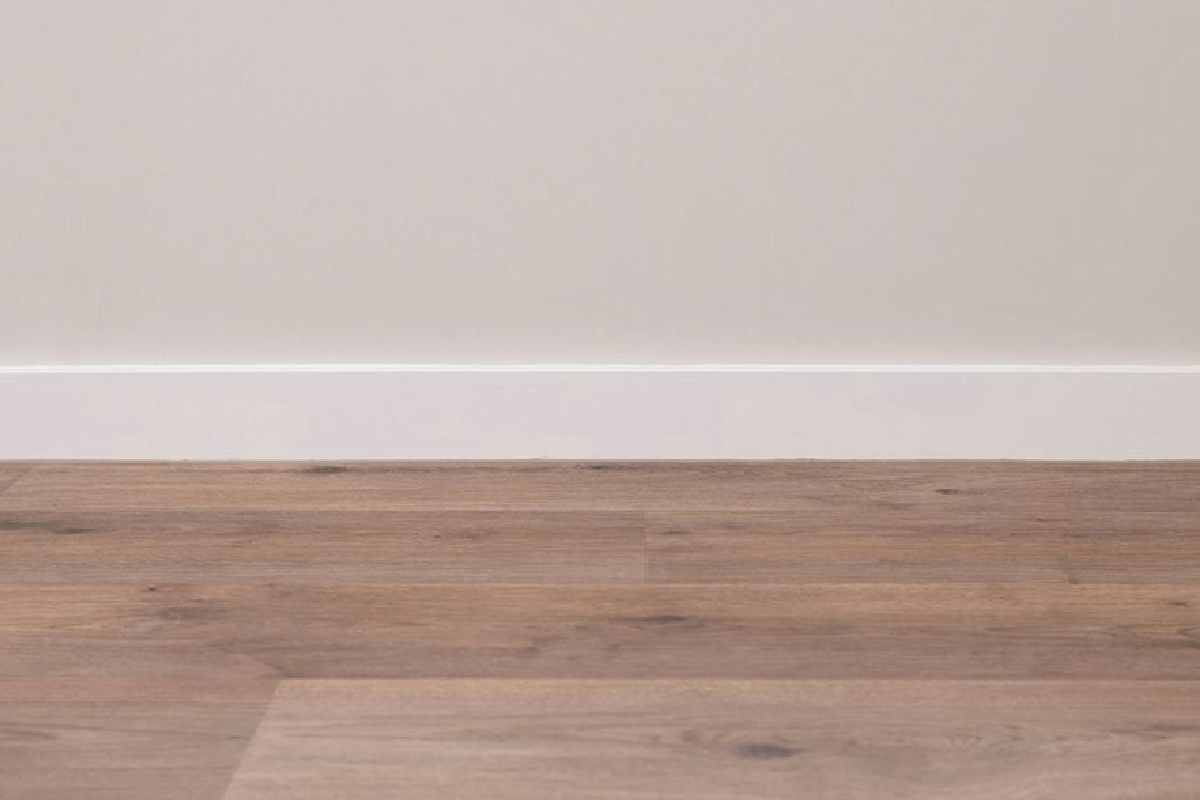
Skirting boards, also known as baseboards, are narrow boards installed along the bottom of interior walls, where the wall meets the floor. They serve both functional and aesthetic purposes:
| Purpose | Explanation |
|---|---|
| Protection | Protect walls from damage caused by furniture, vacuum cleaners, mops, or foot traffic. |
| Concealment | Hide gaps or uneven edges where flooring meets the wall. |
| Aesthetic Enhancement | Provide a finished look, add architectural detail, and enhance interior design. |
| Cable Management | Some modern skirting boards allow hiding wires and electrical cables. |
Skirting Board Covers
Skirting board covers are overlay solutions designed to fit over existing skirting boards without removal. Research in renovation efficiency highlights covers as a low-disruption, cost-effective alternative to full skirting replacement.
When Skirting Board Covers Are the Best Choice?
- Existing skirting is structurally sound but outdated
- Renovation timelines are tight
- Walls are prone to damage during removal
- Rental or temporary upgrades are required
Material & Performance Analysis
| Cover Material | Thickness | Durability | Ideal Use Case |
|---|---|---|---|
| PVC | Thin | High | Moist areas |
| MDF Wrap Covers | Medium | Medium | Living rooms |
| Aluminum Covers | Thin | Very High | Commercial spaces |
| Polystyrene Covers | Lightweight | Medium | DIY renovations |
The Case for Real Wood Over MDF in Timeless Farmhouses
Medium-density fiberboard (MDF) is attractive due to its low price and the fact that it is ready for painting. However, a farmhouse with drafts that is exposed to the changes in humidity caused by the steam of the kitchen or the mudroom next to the barn will see MDF becoming deformed, it will swell, and its paint will peel. Solid wood, for example, soft pine from local sawmills, oak heartwood, or even old barn siding will be able to adjust to the four seasons, it will age into a silvered tone, and it will hold the fasteners as tightly as if it was made for that place.
Major Strength:
Can withstand blows from heavy farm boots or hay bales that have been shifted, much better than brittle composites; for example, oak, is able to let off the hits without the MDF cracking.
Authentic Aesthetic:
Uncovers the grain patterns which can be stained very well to match the faded originals—just think of pine that has been turned a lovely golden color by the light of the candles.
Long-Lasting Usefulness:
When it is dried in a kiln the right way it varies very little in size when it expands or contracts; you should get quartersawn boards if you want to be sure that they will not cup in a changing climate.
Environmentally Friendly:
Old barn boards that are reclaimed give less waste and also bring the past back—why not check out local auctions to get your material at a good price?
Do not use plywood hybrids; they will separate layers in damp farm basements. A budget tip: Pine can be as cheap as $2-4 per linear foot, and oak can be $5-8, compared to the temporary savings of MDF.
Common Materials for Skirting Boards
| Material | Characteristics | Pros | Cons |
|---|---|---|---|
| MDF (Medium-Density Fiberboard) | Engineered wood fiber, smooth surface | Cost-effective, easy to paint, widely available | Less durable in humid areas, prone to swelling if wet |
| Solid Wood | Natural hardwood or softwood | Durable, premium finish, can be stained | Expensive, requires maintenance, can warp with moisture |
| PVC / Plastic | Synthetic material, flexible | Water-resistant, low maintenance, suitable for bathrooms/kitchens | Less elegant appearance, limited paint options |
| Metal | Aluminum or steel | Modern look, durable | Expensive, difficult to install, cold aesthetic |
| Composite Materials | Mix of wood fibers and plastics | Durable, water-resistant, customizable | Can be costly, may look artificial |
Choosing Trim that Reflects Your Farmhouse’s Historical Period
Farmhouses are the product of different periods—Georgian restraint (pre-1800), Victorian exuberance (mid-1800s), or Craftsman honesty (early 1900s). You can look at the trim, porch columns, or mantelpieces that might still be there, then check the build date on your deed and compare it with online architectural archives like the National Trust.
Era Key Style Traits Ideal Wood Choices & Profiles Height & Proportions
Georgian Symmetrical ogee curves, bead-and-reel Pine or oak; minimal astragal or bullnose 4-6 inches; narrow for equilibrium
Victorian Elaborate dentils, lamb’s tongue, egg-and-dart Mahogany, walnut; deep profiles with lambswool 6-9 inches; strong appearance
Craftsman Beaded flat panels, square edges, plinths White oak, quartersawn; mission-style bevels 5-7 inches; robust simplicity
Scavenge the rescue yards or architectural depots for “orphans”—period pieces that have been left behind. Match the finishing: limewash for Georgian gentleness, shellac for Victorian gloss.
Types of Skirting Boards
| Type | Description |
|---|---|
| Straight/Plain | Simple, flat profile for minimalistic design. |
| Beveled / Chamfered | Angled edges for subtle decoration and smooth transitions. |
| Bullnose | Rounded edges, soft appearance, common in classic interiors. |
| Profiled / Decorative | Includes grooves, curves, and ornamental designs for traditional or ornate interiors. |
| Tall / High Skirting | Typically 6–12 inches, makes rooms appear taller and more elegant. |
| Flexible / Curved | Designed for curved walls, usually made from PVC or flexible MDF. |
Performance Comparison: Replacement vs Covers
| Parameter | Full Replacement | Skirting Board Covers |
|---|---|---|
| Installation Time | High | Low |
| Wall Damage Risk | High | Minimal |
| Cost | Higher | Lower |
| Flexibility | Limited | High |
| Reversibility | No | Yes |
Mastering Prep for Uneven Floors: Farmhouse Realities
Uneven floors caused by settling beams or frost heaves are a common old home problem—dips of up to one inch over eight feet occur frequently. Do not use shimming; instead, scribe the boards. Have on hand: 4-foot spirit level, marking gauge, flexible curve ruler and dividers. Move through the house one room at a time, checking the high/low points for every stud bay (usually 16 inches on-center) and marking them.
Detailed Step-by-Step Installation for Sloping Surfaces
Acclimate Thoroughly:
The wood should be taken out of its packaging and stacked in the room for a week to 10 days. Farmhouses are very changeable—check the moisture level (target 8-12%) with a $20 moisture meter.
Establishing a Scribble Line:
A 1×2 straight piece should be nailed at the desired top height (usually 4-9 inches from the floor). Measure with dividers from one point to another from the floor to the board every 12 inches, drawing a wavy line on the back of the skirting that follows that contour.
Accuracy in Cutting:
The line should be drawn on the board face from where it is cut either with a bandsaw or a jigsaw. Adjustments with a plane and dry-fitting will help you get the perfect fit—no spaces should be larger than 1/8 inch.
Fastening Nailing:
A stud locator should be used to find the studs and then 8d finish nails should be driven at a 45-degree angle into each of them, as well as into the middle. Shear strength can be enhanced by putting the PL Premium adhesive on the slopes that are greater than 1/4 inch.
Professional Jointing:
45° miter the outer corner; insides cope (undercut profile with coping saw) for a perfect fit for walls that are out of plumb. Back-beveling is used for butt miters.
Perfecting the Finish:
The gaps between the floor and flexible painter’s caulk are there (they move with the seasons); sand down to 220 grit and then stain (minwax provincial for pine) or milk-paint for authenticity. Wax is applied in two coats to give farmhouse luster.
What you can’t do without: brad nailer (which is much faster than hammering), coping saw a Japanese pull saw for copes.
The time that it will take: a 150 linear feet project can be done in 2-3 days, if you are working alone.
Installing Skirting Boards in Countrywise
Here’s a country-wise guide to installing skirting boards (baseboards) in a clear table format — showing typical practices, materials, cost ranges, and tips for beginners across different regions:
| Installation Aspect | India 🇮🇳 | USA 🇺🇸 | UK 🇬🇧 | Australia 🇦🇺 |
|---|---|---|---|---|
| Common Skirting Height | 4″–6″ (100–150 mm) | 3½″–7″ (90–180 mm) | 90–150 mm (4″–6″) | 70–150 mm (3″–6″) |
| Popular Materials | MDF, PVC, Wood (Engineered) | MDF, Wood, Vinyl, Polyurethane | MDF, Pine, Oak, PVC | MDF, Pine, Timber, PVC |
| Profile Styles | Simple, Square, Chamfered | Colonial, Craftsman, ogee | Victorian, Bullnose, Modern | Colonial, Modern, Shaker |
| Installation Method | Adhesive + Nails/Screws | Nails + Adhesive | Adhesive + Nails | Nails + Adhesive |
| Moisture-Resistant Options | PVC or water-resistant MDF | Vinyl / Polyurethane | PVC or treated wood | PVC / treated MDF |
| Tools Typically Used | Miter saw, hammer, drill, adhesive, nails | Miter saw, brad nailer, caulk, level | Miter saw, nail gun, caulk, screwdriver | Miter saw, nail gun, level, adhesive |
| Typical Labor Cost Range | ₹60–₹150 / ft (~₹200–₹500 / m) | $1.50–$4 / ft | £4–£8 / m | AUD $10–$25 / m |
| Material Cost Range | ₹40–₹300 / ft | $0.70–$3 / ft | £1–£5 / m | AUD $5–$20 / m |
| Paint / Finish | Often painted white or wood stain | Painted (white) or stained | Painted white common | Painted or natural timber |
| Common Challenges | Uneven walls/floors | Irregular cuts at corners | Older plaster walls | Uneven joinery |
| Beginner Tip | Use ready-to-install pre-primed boards | Pre-cut corners save time | Sand & prime before painting | Use flexible profiles for curves |
| Regulations/Standards | Not strict; builder choice | Often aesthetic code in homes | Often matches period style | Home design standards apply |
| Climate Considerations | PVC for humidity | Stable indoors; moisture areas need PVC | Moisture areas need treated | Humidity/weather varies by region |
Installation Process
| Step | Details |
|---|---|
| Measurement | Measure the wall perimeter accurately. |
| Cutting | Cut skirting boards to size using a miter saw for corners. |
| Surface Preparation | Ensure walls and floors are clean and level. |
| Attachment | Fix boards with adhesive, nails, or screws, depending on material. |
| Sealing | Fill gaps or nail holes with caulk or filler. |
| Painting / Finishing | Paint, stain, or varnish to match the interior design. |
Cost-Benefit Research Insight
| Option | Avg Installation Cost | Long-Term Maintenance |
|---|---|---|
| New Skirting Boards | High | Low |
| Skirting Board Covers | Medium | Very Low |
Maintenance Tips
| Maintenance Task | Recommendation |
|---|---|
| Cleaning | Wipe with a damp cloth; avoid excessive water for MDF or wood. |
| Damage Repair | Use wood filler or caulk to fix small dents or gaps. |
| Repainting | Sand lightly before repainting to maintain smooth finish. |
| Moisture Protection | Keep water away from wooden skirting to prevent swelling. |
Key Considerations Before Buying
| Factor | Explanation |
|---|---|
| Material Selection | Match material to room environment and budget. |
| Height / Size | Tall skirting boards suit high ceilings; small rooms benefit from lower profiles. |
| Style & Design | Consider room decor—modern, traditional, minimalist, or ornate. |
| Installation Complexity | Some materials require professional installation. |
| Cost | Includes material, installation, and finishing. |
Advantages of Skirting Boards
- Guard against knocks, scratches and moisture on walls.
- Cover dissimilar wall-floor transgressions.
- Improve the interior decoration and architectural ornamentation.
- Ability to conceal electrical wiring in the contemporary designs.
Disadvantages / Limitations
- May is dusty and needs to be cleaned up.
- Wooden boards can swell or warp in humid areas.
- Installation can be tricky for non-standard walls or corners.
- Some ornamental patterns are always likely to become obsolete with time.
Modern Trends
- Minimalist flat skirting boards were used, which were the same color as the walls to give it a seamless appearance.
- High ornamental skirting boards on luxury interiors.
- Ambient lighting with skirting boards.
- Bendable PVC skirting boards of curved or irregular walls.
Adding Period Details and Upkeep
At doors, cap ends with plinth blocks for the elegance of Georgian or shoe molding for the flow of Craftsman. Put a 1-inch kickplate on the floor if the entryway is a boot-heavy one. Keep up with the work each year by: dusting, re-oiling, and dings touch-up. These finishing details can also contribute to a more cohesive home transformation by helping the architectural elements work together with the rest of the interior.
For very uneven floors (>1/2 inch), you should first sister the floor joists—but, at the same time, get advice from a structural professional.
Your farmhouse is now a base-to-beam heritage whisperer. When completing the final details around entrances and other areas, it is also useful to consider how to handle mail and deliveries safely when you’re not home so that the newly finished areas remain protected and organised.
A well-finished farmhouse interior should also feel inviting, and these secrets of a warm and welcoming home can help bring together the practical and decorative elements of the space.
For additional background on traditional trim, restoration, and preserving architectural details, you can also refer to the National Trust’s guidance on historic buildings.