
Cake Write For Us
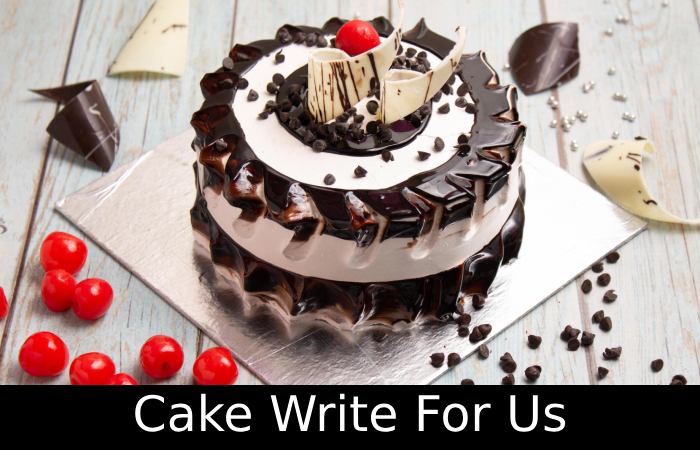
Cake: The World’s Favorite Celebration Food
Origins and Evolution
The story of cake begins over 4,000 years ago in ancient Egypt, where honey-sweetened bread baked on hot stones was offered to gods. The Romans refined it with butter, eggs, and leavened dough, creating early enriched cakes. By the Middle Ages in Europe, spiced fruitcakes preserved with alcohol became holiday staples. The modern layered cake exploded in popularity in the 19th century when baking powder (1843) and temperature-controlled ovens made light, tall sponges reliable for home bakers. The iconic tall wedding cake with white icing—once a symbol of purity and wealth—became widespread after Queen Victoria’s 1840 wedding.
Core Ingredients and Chemistry
All cakes balance four pillars: flour (structure), sugar (sweetness and tenderness), eggs (emulsion and lift), and fat (moisture and richness). Leavening comes from chemical agents (baking powder/soda), steam, or air trapped in whipped eggs. The ratio determines texture: high fat = dense pound cake; high egg = airy angel food; oil + whipped whites = springy chiffon.
Major Cake Families
- Butter Cakes: Classic yellow, chocolate, carrot, red velvet. Tender crumb, keeps well.
- Foam/Sponge Cakes: Génoise, joconde, Swiss roll, angel food. Light, flexible, soak up syrups beautifully.
- Oil-Based Cakes: Chiffon, some carrot and banana cakes. Ultra-moist, never dry out.
- Cheesecakes: Baked (New York, German quark) or no-bake (French-style with gelatin).
- Flourless & Specialty: Fallen chocolate, Basque burnt cheesecake, Japanese cotton cheesecake, Middle Eastern basbousa (semolina).
Global Icons
- France: Opéra (almond-coffee layers), Saint-Honoré, fraisier
- Italy: Tiramisù, panettone, cassata siciliana
- Austria/Germany: Sachertorte, Black Forest, bienenstich
- UK/Ireland: Victoria sponge, Christmas fruitcake, simnel cake
- USA: Red velvet, hummingbird, funfetti, icebox cake
- Latin America: Tres leches, pastel de tres leches variations
- Asia: Taiwanese castella, Korean fresh-cream cakes, Chinese wife cake, Indian milk cake
Cultural Roles
Cakes are rarely “just dessert.” They carry meaning:
- Wedding cakes: Multi-tiered symbols of prosperity
- Birthday cakes: Candles for wishes, often sponge or chocolate
- Religious festivals: Hot cross buns (technically enriched cakes), Jewish honey cake, mooncakes with salted egg yolk
- Funeral and remembrance: Caribbean black cake, Mexican pan de muerto elements
Decoration Through the Ages
Royal icing and marzipan dominated until the 20th century. American buttercream took over in the 1950s for its ease. The 2010s brought naked cakes, drip cakes, mirror glazes, and geode cakes. Fondant remains king for sculpted novelty cakes (3D cars, handbags, cartoon characters). Korean and Japanese minimalism favors fresh cream, fruit, and subtle piping.
The Modern Industry (2025)
The global cake and bakery market surpassed $550 billion in 2024. Trends include:
- Health-conscious: Almond-flour keto cakes, oat-milk vegan layers
- Hyper-realism: Cakes disguised as burgers, sneakers, or flower pots
- Single-serve: Mug cakes, baked oats, protein mug brownies
- Luxury entremets: Multi-layer mousse cakes with crunchy feuilletine, fruit gels, and velvet spray
- Sustainability: Upcycled “ugly” fruit fillings, natural colorings
Social media drives innovation—TikTok bakers popularized lunchbox cakes, bento cakes, and the “pull-me-up” tsunami cake. Professional pastry schools now teach molecular techniques: aerated sponges, nitro mousses, and 3D-printed chocolate décor.
Why Cake Endures
Unlike cookies or pie, cake is theatrical. It arrives whole, is sliced with ceremony, and photographs beautifully. Its height, colors, and candles demand attention. Scientifically, the combination of sugar, fat, and vanilla triggers maximum pleasure receptors. Culturally, it signals “this moment matters.”
From a humble honey flatbread to a six-tier croquembouche lit with sparklers, cake remains humanity’s sweetest way to say: celebrate, remember, share joy.
How to submit your article at Country Living Blog?
To submit your article at Country Living Blog you can send an email or pitch us at contact@countrylivingblog.com
Why Write for Country Living Blog, – Cake Write for Us?

- Writing for Country Living Blog, give massive exposure to your website for customers looking for Cake .
- Country Living Blog, presence is on Social media and will share your article for Cake related audience.
- You can reach out to Cake enthusiasts.
Terms Related to Cake Write for Us
- Flour
- Sugar
- Butter
- Eggs
- Baking powder
- Baking soda
- Vanilla extract
- Cocoa powder
- Fondant
- Frosting
- Icing
- Layer cake
- Sponge cake
- Red velvet
- Angel food cake
- Ganache
- Marzipan
- Royal icing
- Cake stand
- Cake board
Article Guidelines on Country Living Blog, Cake Write for Us
- We at Country Living Blog, welcomes fresh and unique content related to Cake
- Country Living Blog, a minimum of 500+ words related to Cake
- The editorial team of Country Living Blog, not encourage promotional content related to Cake
- For publishing article at Country Living Blog, us at contact@countrylivingblog.com
- Country Living Blog, allows articles related Travel Holiday, Drinks, Home Decor
Maintenance, Shopping, Promotions, and many more.
Our “Write For Us” pages are created for writers, bloggers, content creators, and individuals who enjoy writing and reading informative blogs. These pages provide an opportunity for contributors to share original, useful, and reader-friendly content related to the topics listed on our website