
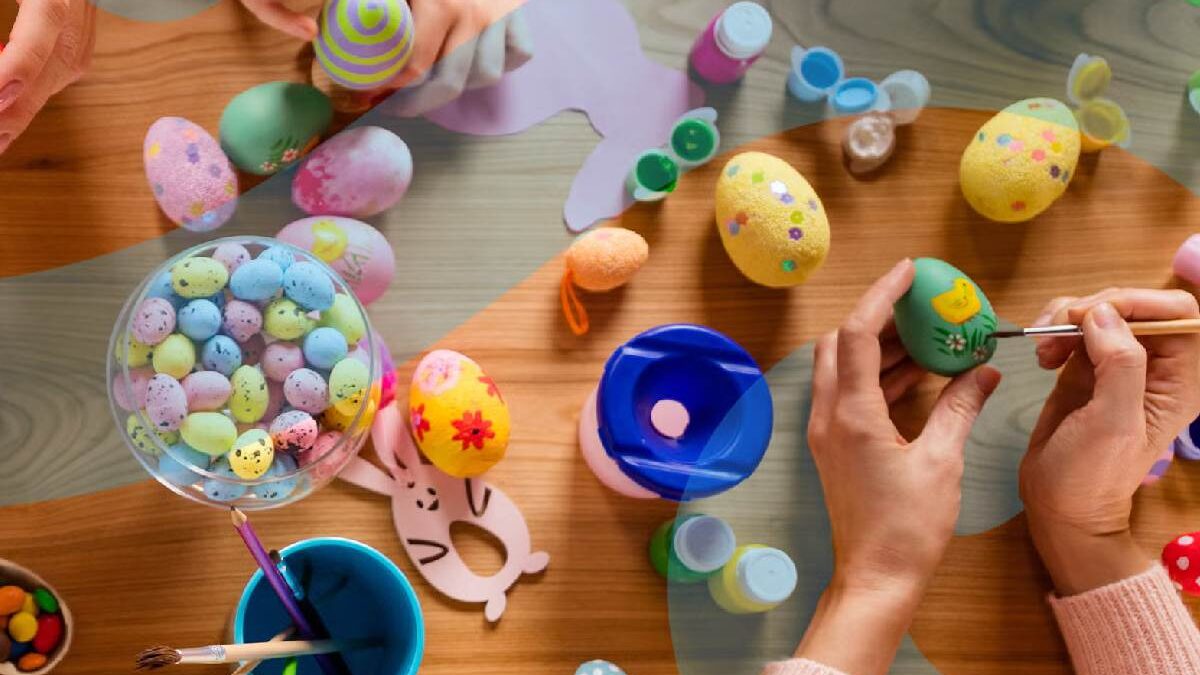
The countryside at Easter is a delight for the senses: the bleating of the lambs, wild ramps growing from the earth, and the sun rising over the newly mown fields.
The before-time of chocolate bunnies, when stores were not yet taken over by them, families in the countryside used to celebrate the season through earth-related ritual-dyeing eggs with the onion skins that their grandmothers used, looking for nests in the yards, and baking from the first green shoots.
Replace plastic eggs and candy aisles with these homestead-rooted traditions of using garden scraps, eggs from the coop, and spring’s humble yields. These six extended activities nurture family bonds through mud-covered hands and shared laughter; memories become the inheritance in a screen-free space that resonates with the past.
Table of Contents
Easter Activities for Kids
Easter activities for kids are most effective when designed around age-appropriate developmental milestones. Research indicates that children retain higher enjoyment and learning outcomes when activities combine play, creativity, and simple challenges. (UNICEF)
Age-Wise Research-Based Easter Activities for Kids
Toddlers (2–4 Years)
| Activity | Skill Focus | Research Benefit |
| Color egg stickers | Hand–eye coordination | Sensory stimulation |
| Soft toy egg hunt | Movement skills | Spatial awareness |
| Bunny songs & actions | Listening skills | Memory recall |
Preschoolers (4–6 Years)
| Activity | Skill Focus | Research Benefit |
| Egg painting | Fine motor skills | Creative confidence |
| Simple scavenger hunt | Cognitive skills | Problem-solving |
| Easter story time | Language development | Vocabulary growth |
School-Age Kids (7–12 Years)
| Activity | Skill Focus | Research Benefit |
| Timed egg hunts | Strategy & speed | Decision-making |
| Craft competitions | Creativity | Self-expression |
| Easter-themed quizzes | Knowledge recall | Concentration |
6 Easter Activities for Families
1. Natural Dye Egg Decorating: Forage-to-Table Magic
Artificial dyes are short-lasting and leave synthetic odors; natural color has lasting earthy colors that are more connected to nature. This Victorian-era method, which was widely used on farms as a frugal way, results in chicken eggs being colored in brownish-red, grayish-green, and yellow tones which are great for kids to explore.
Supplies Checklist (for 4-5 dozen eggs):
- 24 white or brown farm eggs
- Kitchen scraps: 2 cups of red onion skins (color: rusty orange), 1 lb of beets (color: deep purple), 1/4 cup of turmeric (color: sunny yellow), 1 head of red cabbage (color: vibrant blue), 2 cups of blackberries (color: plum), a handful of spinach (color: soft green)
- 1/2 cup of white vinegar, a big cooking pot, tongs, olive oil for finishing
Step-by-Step Dyeing:
- Cut the scraps into pieces and place the pieces in a pot with 1 quart of water and 2 tbsp of vinegar. Cook them for 30-45 minutes to get their color.
- After straining the dyes into jars, put in 6-8 eggs per jar and boil them for 10-12 minutes if you want soft-boiled eggs or for 15 minutes if you want hard-boiled.
- To create patterns, put onion skins around eggs and fasten them with a twine, or use rubber bands/leaves for wrapping. Let them cool in ice water.
Advanced Twists: If you let the dye soak in the egg shell for a really long time you’ll get very deep jewel-like colors; also you can change cabbages color from blue to pink by adding 1 teaspoon baking soda. Make your dry eggshells shiny by rubbing them with olive oil on a cloth.
Safety & Kid Tips: Keep an eye on the boiling; the little ones can help with wrapping.
Yield: 4-5 dozen unique treasures.
Put them back in straw nests in the fridge for up to a week; throw the peels directly on the compost heap which is good for your garden.
2. Barnyard Egg Hunt: Chickens Included
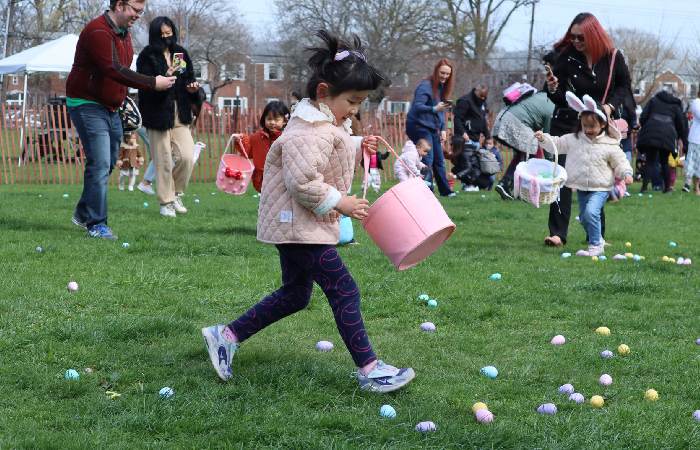
Forget about perfectly manicured lawns as the background of your hunt because your chicken coop, fruit trees, and grassy area are the amazing and quite wild tracts of land that come straight from the legends of the old English countryside. Dye 50+ eggs (also include some wooden eggs which you will paint to resemble the others but won’t be used for breaking) and then scatter them in a way that participants will have to look for them which is how they will learn to forage.
Setup Savvy:
- Locating the eggs: wheelbarrows, under coops, on stumps, haystack crevils, hollow logs, and fencepost hollows.
- Create 10-15 tags with riddles: “Where the red hen lays her throne” (wheelbarrow) or “By the fox’s sneaky den” (brush pile).
- Hide “golden” eggs (gold-painted with foil) containing the prizes that could be homemade fudge, seed packets, or a new garden trowel.
Hunt Flow: The farm bell is the signal for the beginning of the hunt at dawn which brings the magic; it will be better if you let the groups of different ages start one after another (the toddlers first, 10 minutes each). The duration of the event should be 30-45 minutes.
Coop Etiquette: After the feeding, don’t forget to nourish the hens—scatter the scratch grains and tell them that you are part of the renewal cycle. Grass stains, chicken chases, and the excitement of discovery help boys and girls grow stronger—resilience is their pure, unfiltered happiness. If it rains, move the game to the hayloft and pretend that the nests are indoors.
3. Spring Harvest Baking: Hot Cross Buns and Beyond
One way of doing it is by making spiced buns, the farmer’s gift of the past for the present and the future, a tradition going back to medieval “crossing” which was the crossing of life’s paths symbols. Do not buy yeast or sugar from the store; instead, if you want a challenge, make a wild yeast starter from raisins or simply use instant dry yeast for ease.
Full Recipe: Homemade Hot Cross Buns (makes 12)
Ingredients:
4 cups bread flour, 1 cup warm milk (raw if possible)1/4 cup honey1/2 cup rhubarb diced/apples/foraged ramps1/2 cup raisins (soaked for wild yeast)1 tsp cinnamon 1/2 tsp nutmegzest 2 oranges2 tsp instant yeast1 tsp salt1 egg (for wash)
Workings:
- Mix the dry ingredients, then add the wet ones; knead the dough for 10 minutes until it is smooth. Let the dough rise for an hour in a greased bowl.
- Punch down the dough, add the fruit, and shape the buns. Let the dough rise for another 45 minutes.
- Use flour + water paste 1/4 cup to draw the crosses on the buns then bake them at 375°F/190°C for 20-25 minutes until they are golden in color. Put the glaze on with warm apricot jam.
Variations: Cheesy ramp scones (add the cheese, bake at 400°F for 15 minutes) or violet shortbread (petal infusion in butter) if you are dairy-free. Are you firing with wood? Then you should set the temperature to 450°F with perfect smoky char.
Also serve nettle tea made from the top parts of the plants. Prepare the dough the night before. Kids can help with: Zesting oranges.
4. Woven Willow Easter Baskets: Fiber Arts Heritage
Early spring willows are very flexible and are usually found along the creeks, grapevines, or dogwood from the fencerows can be used instead very nice. This one-hour project, which is based on Native and pioneer basketry, is a timeless one and can be passed down from one generation to another.
Harvest & Prep:
Cut more than 20 shoots (1/2-inch diameter, 3-4 feet long) with pruners; soak them in a bucket overnight to soften them.
Weave Method:
- Create a 5-spoke star base, weave three rods around the upright stakes.
- Expand the sides, twine the rim with paired weavers, lace the bark handles.
Fill & Personalize: Cover with sphagnum moss, hide eggs and early strawberries; carve names with pocket knife.
They turn into market totes or flower carriers later on.
Safety: Scissors should be blunted if used by kids.
5. Lambing Barn Story Circle: Tales of Renewal
Just like the new lambs are the perfect example of Easter renewal, the story of the shepherds from the Bible is echoed. Change the atmosphere in the barn to a cozy circle of awe, combination of oral history and calm time.
Atmosphere Setup:
Put straw bales in a circle, hang lanterns, layer wool blankets. Prepare pears poached in cider (simmer for 20 minutes with honey/cloves).
Activities: Use a yarn ball to decide the turn of sharing family farm lore, Br’er Rabbit fables, or spring myths. Sing old hymns like “All Creatures Great and Small.”
Extensions: Draw lambs in notebooks, make felted wool figures using hot water and soap.
If it’s raining, do the same at the hearthside but inside. Time: 1 hour; helps calm Easter eve jitters.
6. Blossom Branch Wreaths: Symbols of Hope
The briefly beautiful blossoms of fruit trees are quite the present for the doors, a defunct custom of colonial families that welcome the spring from their front porches.
Collect: Forsythia, quince, crabapple branches (12-18 inches); a small handful of pussy willow catkins, feathers.
Assemble: Wire 18-inch hoops loosely with floral wire, place decorated eggs/ribbons. Attach twine hangers.
Execution: Water spray every week; take apart post-flower to put the cuttings in pots for rooting.
These ceremonies are bringing back the Easter of the countryside.Flock size (scale hunts) or weather (indoor weaves) can be changed accordingly.
Total time: 4-6 hours over weekend. Create traditions that outlast the holiday. (Scholastic)
Budget Planning for Easter Activities
A detailed cost breakdown helps users plan effectively.
| Activity Type | Low Budget (₹) | Mid Range (₹) | Premium (₹) |
| DIY Egg Decorating | 100–300 | 500–1,000 | 1,500+ |
| Egg Hunt Setup | 200–500 | 1,000–2,500 | 5,000+ |
| Baking Activities | 300–800 | 1,000–2,500 | 4,000+ |
| Craft Supplies | 200–700 | 1,000–2,000 | 3,000+ |
| Event Participation | Free | 500–1,500 | 3,000+ |
Learning-Integrated Easter Activities
Research supports combining education with play for higher retention.
| Activity | Learning Outcome |
| Easter math games | Numeracy skills |
| Bunny-themed reading | Literacy improvement |
| Nature egg hunts | Environmental awareness |
Group vs Solo Easter Activities: Research Findings
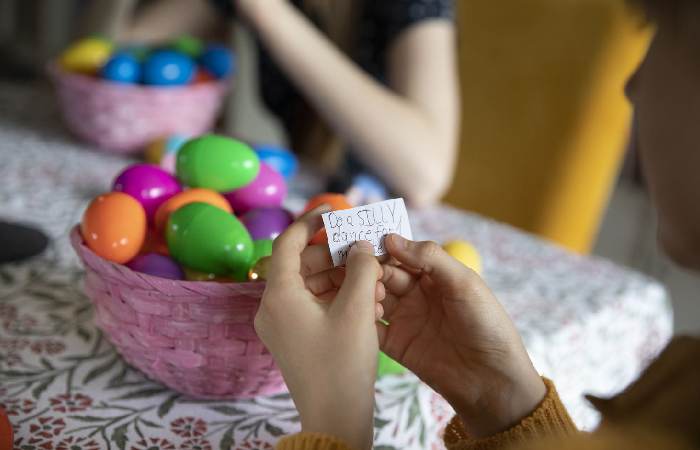
| Format | Best Use Case | Behavioral Outcome |
| Group activities | Parties, classrooms | Social cooperation |
| Solo activities | Quiet time | Focus improvement |
| Parent-led activities | Home settings | Emotional bonding |
Conclusion
Easter activities are not just seasonal fun but also help in the cognitive, physical and social development of kids and strengthen family bonds too. Older children and young adults engage in more active play when they are involved in the planning process of activities. Through crafts and games, outdoor egg hunts storytelling and much more, each activity is a wonderful way for children to build skills.
By thoughtfully selecting Easter activities for kids based on developmental needs, safety considerations, and participation patterns, families and educators can create experiences that are both memorable and beneficial. Incorporating a balance of creativity, movement, and learning ensures that Easter celebrations remain inclusive, engaging, and impactful—delivering lasting value well beyond the holiday itself.